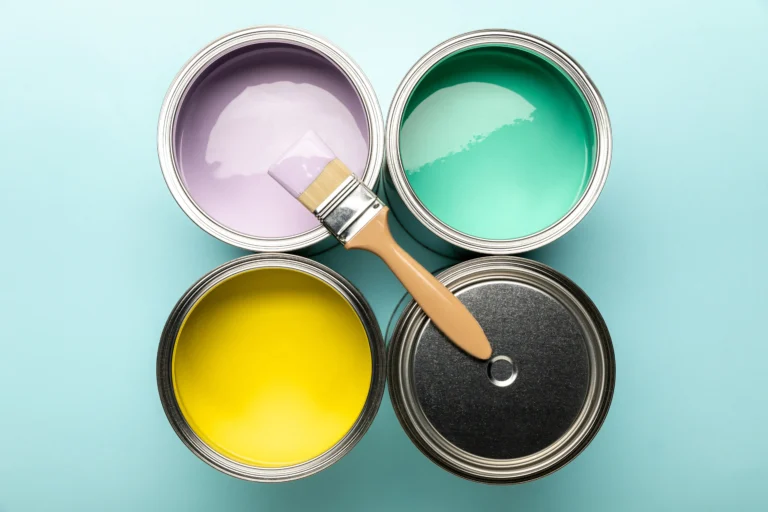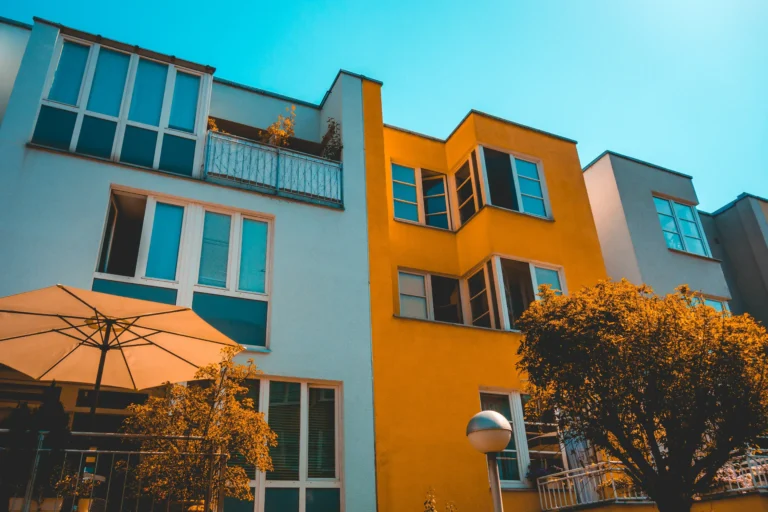
During home improvement projects, it is common to end up with leftover paint. This often leads homeowners to ask a practical question: can exterior paint be used inside? At first glance, paint may seem like paint, regardless of where it is applied. However, interior and exterior paints are engineered for very different environments. While exterior paint may appear tougher or more durable, using it inside a home can create performance, safety, and comfort issues if the differences are not fully understood.
How interior and exterior paint are designed differently
To answer can exterior paint be used inside properly, it is important to understand the purpose behind each paint type. Interior paint is formulated for controlled indoor conditions where temperatures remain relatively stable and moisture levels are moderate. It focuses on smooth finishes, easy cleaning, low odor, and indoor air safety. Exterior paint, on the other hand, is built to survive harsh outdoor conditions. It must resist rain, UV exposure, freezing temperatures, heat, and humidity. To achieve this, exterior paint contains stronger resins, flexible binders, and chemical additives that help prevent mildew and cracking. These features are valuable outdoors but often unnecessary and undesirable indoors.
Why durability alone is not enough
One reason homeowners ask can exterior paint be used inside is the belief that exterior paint is simply a better, more durable product. While exterior paint is more resistant to weather, that does not automatically make it better for indoor use. Interior walls do not face direct sunlight, heavy rain, or extreme temperature swings. Instead, they benefit from paints that cure evenly, resist scuffing, and maintain a consistent appearance under indoor lighting. Exterior paint can remain softer for longer periods indoors because it lacks the UV exposure and airflow it is designed to experience outside. This softness may cause walls to feel tacky, attract dust, or show marks more easily over time.
Chemical additives and indoor air quality
One of the biggest concerns when considering can exterior paint be used inside involves indoor air quality. Exterior paints often contain higher levels of mildewcides and fungicides. These additives help prevent mold growth in damp outdoor environments but are not necessary in most indoor spaces. When used inside, these chemicals can off-gas for extended periods, especially in rooms with limited ventilation. This may lead to lingering odors and discomfort for occupants. Interior paints are formulated to minimize these effects, making them safer and more comfortable for living areas.
According to the Environmental Protection Agency, volatile organic compounds released by some paints can affect indoor air quality and contribute to headaches, respiratory irritation, and other symptoms. This guidance is one reason professionals avoid using exterior paint inside finished spaces.
VOC levels and modern interior paint standards
Most modern interior paints are low-VOC or zero-VOC, designed specifically to reduce harmful emissions indoors. Exterior paints may not meet the same standards because outdoor air disperses fumes more easily. Even if exterior paint meets local regulations, it is still not optimized for enclosed environments. When asking can exterior paint be used inside, it is important to remember that paint continues releasing gases as it cures, not just while it dries. In some cases, exterior paint odors can linger indoors for weeks or months.
Finish quality and appearance indoors
Exterior paint behaves differently on interior walls when it comes to finish quality. Because it is thicker and more flexible, it does not level as smoothly as interior paint. Brush marks, roller texture, and lap lines can be more visible under indoor lighting. Interior paint is designed to spread evenly and dry to a uniform appearance. This difference becomes especially noticeable on large wall surfaces, ceilings, and areas with artificial lighting. Using exterior paint inside often leads to a finish that looks heavier and less refined.
Drying and curing challenges indoors
Another factor to consider when asking can exterior paint be used inside is drying and curing time. Exterior paint often relies on outdoor conditions such as airflow and sunlight to cure properly. Indoors, where airflow is limited and UV exposure is minimal, curing may take much longer. This extended curing period can delay furniture placement, increase the risk of surface damage, and prolong odor issues. Interior paint is engineered to cure efficiently in indoor conditions, making it far more practical for living spaces.
Manufacturer recommendations and warranties
Paint manufacturers clearly label products for interior or exterior use based on extensive testing. Using exterior paint indoors goes against these recommendations and may void warranties. Manufacturers design paint formulas to perform best in specific environments, and using them outside their intended purpose increases the likelihood of failure. When professional painters select products, they follow manufacturer guidance closely to ensure predictable results and long-term performance.
Are there any situations where exterior paint works inside
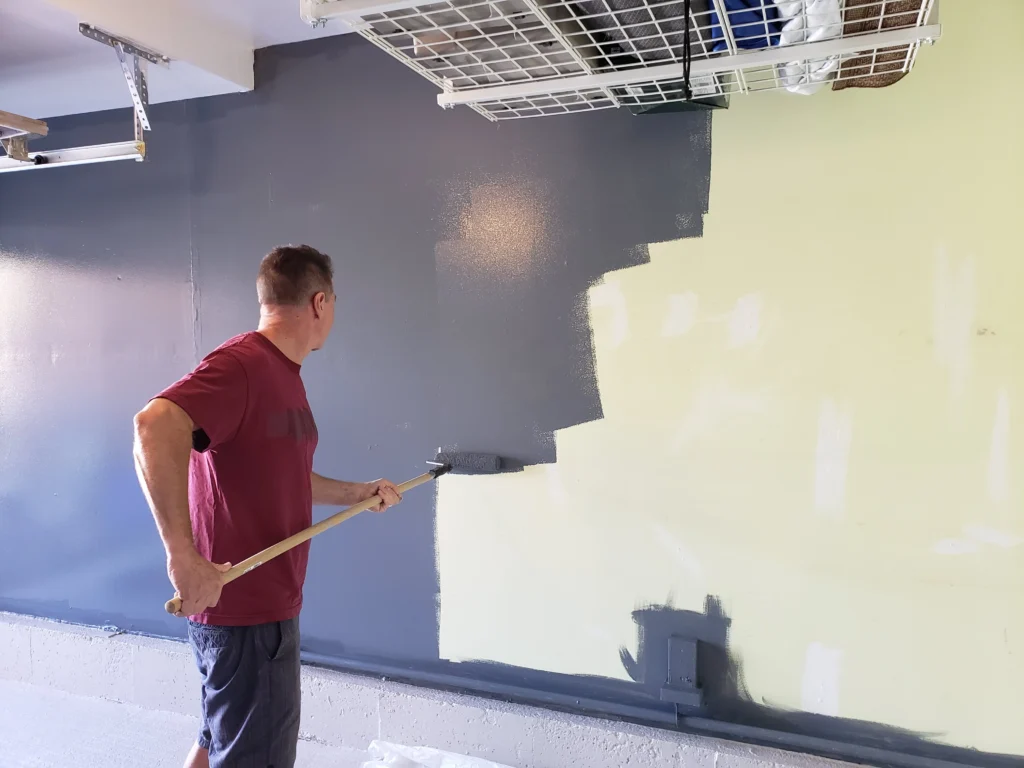
There are limited situations where professionals may consider exterior paint indoors. Unfinished basements, garages, utility rooms, or storage areas sometimes benefit from the mildew resistance of exterior coatings. These spaces are often separated from living areas and have more ventilation. Even in these situations, careful product selection and airflow management are essential. Exterior paint should never be used in bedrooms, living rooms, kitchens, or other regularly occupied areas.
Better interior alternatives for moisture-prone areas
If moisture resistance is the main concern, interior paints designed for kitchens, bathrooms, and laundry rooms offer a safer alternative. These paints include mildewcides suited for indoor use without the stronger chemical load found in exterior coatings. Many brands offer interior paints specifically formulated for high-humidity environments that still meet indoor air quality standards. These products provide durability without the risks associated with exterior paint.

Professional painter perspective
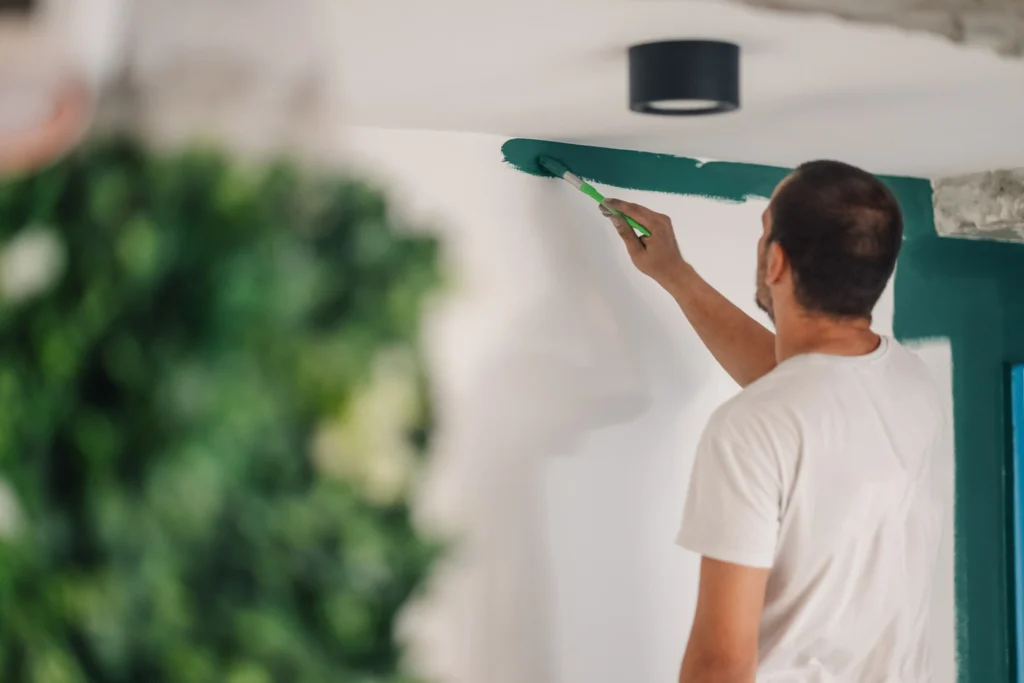
Professional painters almost never use exterior paint inside finished homes. Teams like Four Seasons Painting Co. select paint products based on room function, surface material, and long-term performance. Interior painting projects rely on products designed specifically for indoor durability, appearance, and safety. You can see how interior-specific materials are used to achieve clean, lasting results on the Interior Painting page, where paint selection is matched carefully to each space.
Common homeowner misconceptions
A common misconception is that using exterior paint indoors will reduce future maintenance. In reality, it often creates new problems such as lingering odors, uneven finishes, and premature wear. Another mistake is assuming exterior paint will handle scuffs better than interior paint. Many interior paints are specifically engineered for washability and daily contact. Understanding can exterior paint be used inside helps homeowners avoid these issues before they occur.
Cost savings versus long-term results
Using leftover exterior paint may seem like a way to save money, but the potential downsides often outweigh the short-term savings. Poor finish quality, air quality concerns, and the possibility of repainting sooner than expected can increase overall costs. Choosing the right paint from the beginning leads to better results and fewer headaches.

Conclusion
So can exterior paint be used inside? In most cases, it should not be. Exterior paint is formulated for outdoor exposure and contains additives that are unnecessary and sometimes problematic indoors. While limited use in garages or unfinished spaces may be acceptable with proper ventilation, interior paint remains the best and safest choice for living areas. Selecting the correct paint ensures better air quality, smoother finishes, and reliable durability. For homeowners who want professional guidance and flawless results, Four Seasons Painting Co. provides interior painting services that use the right products for every room, delivering finishes built for comfort and long-term performance.