One of the most common concerns during exterior painting projects is weather timing. Homeowners often ask how many hours should paint dry before it rains, especially when forecasts are unpredictable. Rain hitting paint too soon can cause streaking, bubbling, peeling, or permanent damage to the finish. Understanding drying times and the factors that affect them helps protect your investment and ensures a smooth, long-lasting result. While modern paints dry faster than older formulas, proper timing is still critical for exterior work.
Why rain is a problem for fresh paint
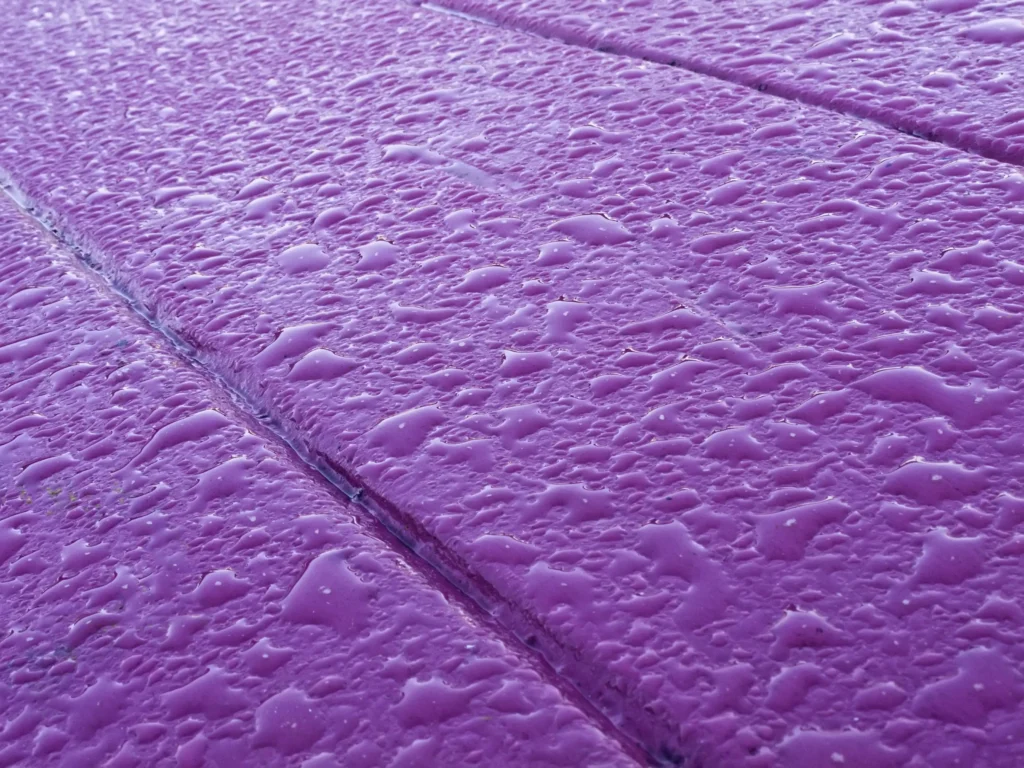
Fresh paint needs time to form a protective film on the surface. If rain hits before that film sets, water can dilute the paint, wash away pigments, or interfere with adhesion. This often leads to visible marks, uneven texture, or reduced durability. Even light rain or heavy mist can damage paint that has not dried long enough. That is why knowing how many hours should paint dry before it rains is essential when planning any exterior painting project.
General rule for paint drying before rain
As a general guideline, most exterior paints need at least four to six hours of dry time before light rain and closer to 24 hours before heavy or steady rain. This window allows the paint to dry to the touch and begin bonding to the surface. However, this is only a baseline. The actual answer to how many hours should paint dry before it rains depends on paint type, weather conditions, and surface material. Different paints react differently to moisture. Understanding the type of paint being used is one of the most important parts of determining how many hours should paint dry before it rains.
Latex and acrylic exterior paint
Latex and acrylic paints are water-based and are the most commonly used for exterior homes. These paints usually dry to the touch within one to two hours under ideal conditions. Most manufacturers recommend waiting at least four hours before exposure to light rain and 24 hours before heavy rain. Acrylic paints continue to cure over several days, but once they pass the initial drying stage, they are far more resistant to moisture. Many professional painters prefer acrylic latex products because they offer flexibility and improved weather resistance.
Oil-based exterior paint
Oil-based paints take much longer to dry. When using oil-based products, how many hours should paint dry before it rains becomes even more important. These paints often require eight to twelve hours of dry time before they can tolerate moisture and up to 24 hours or more before rain is safe. Oil-based paint forms a harder finish, but it is far less forgiving if rain arrives too early. Because of this, oil-based products are best used when dry weather is guaranteed.
Weather conditions that impact drying time
Even the best paint cannot overcome poor weather conditions. Several environmental factors influence how many hours should paint dry before it rains.
Temperature
Exterior paint dries best when temperatures range between 50°F and 85°F. Cooler temperatures slow evaporation, which extends drying time. If temperatures drop too low overnight, paint that appeared dry during the day may still be vulnerable to rain. Hot temperatures can also be problematic, causing the surface to dry too quickly while trapping moisture underneath. Stable, moderate temperatures provide the safest conditions.
Humidity
High humidity is one of the biggest reasons paint takes longer to dry. Moist air slows evaporation, increasing the risk of rain damage even hours after application. In humid conditions, how many hours should paint dry before it rains may increase from four hours to six or even eight. Using weather forecasts that include humidity levels helps painters plan more accurately.
Cloud cover and sunlight
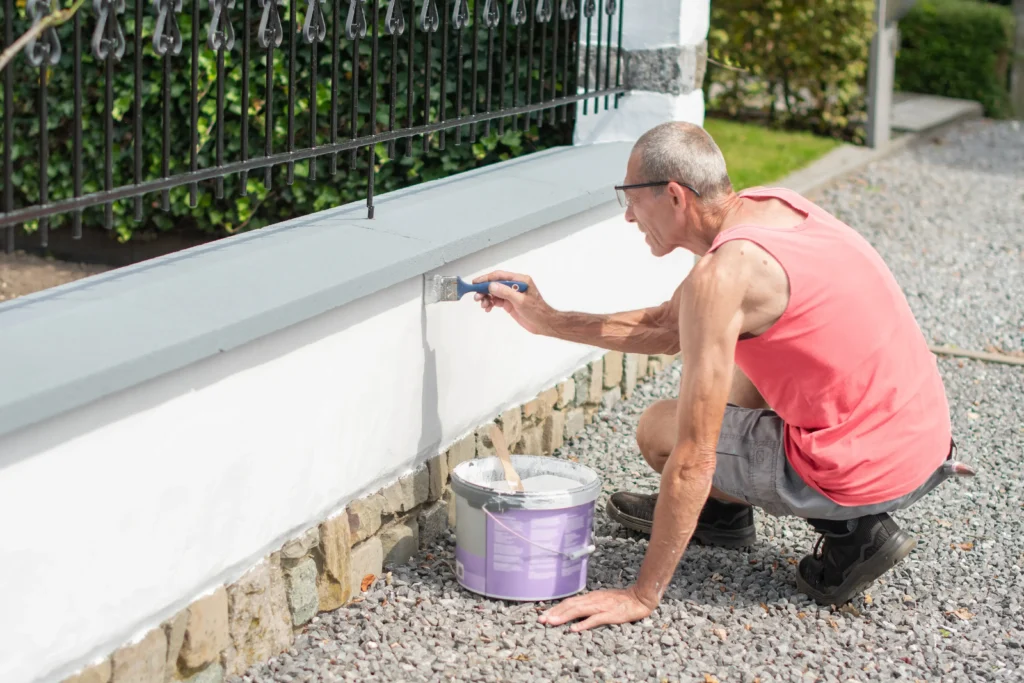
Direct sunlight helps paint dry faster by warming the surface and promoting evaporation. Cloudy conditions slow the process, even if rain is not expected. Shaded areas of a home often remain damp longer than sunlit sections, which means different parts of the same house may require different drying times.
Wind and airflow
Gentle airflow helps paint dry by moving moisture away from the surface. However, strong wind can cause debris to stick to wet paint or dry the surface unevenly. Controlled airflow is ideal, but wind alone should not be relied on to shorten how many hours should paint dry before it rains.
Surface material matters
The surface being painted also affects drying time. Porous materials like wood or masonry absorb paint differently than smooth surfaces like metal or vinyl. Wood siding often needs more time before rain because moisture can soak into the grain. Masonry surfaces such as brick or stucco may feel dry on the surface but retain moisture longer. Professional painters factor surface type into their timing decisions to reduce the risk of rain damage.
What happens if it rains too soon
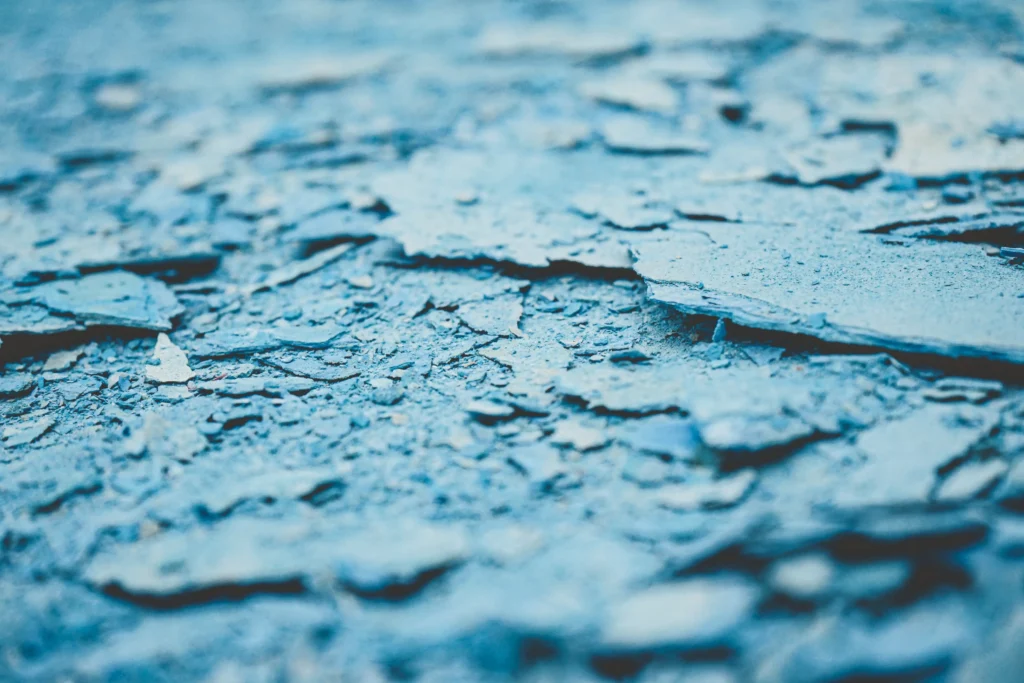
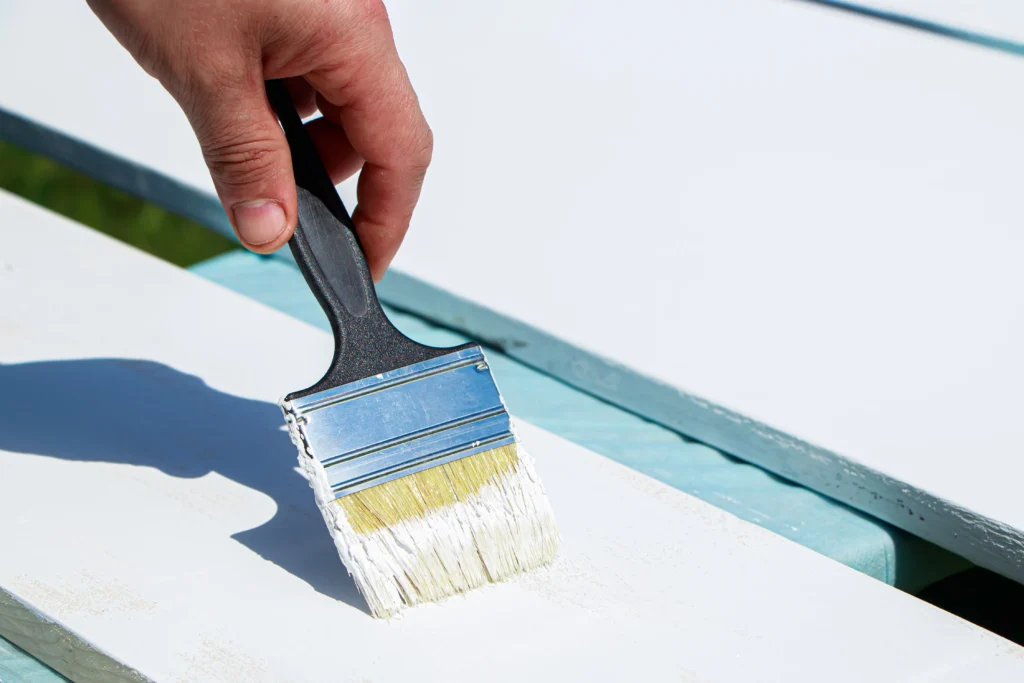
If rain hits paint before it has dried enough, damage can range from mild to severe. Light rain may cause spotting or streaks that require sanding and repainting. Heavy rain can wash paint off entirely or cause blistering that appears days later. In many cases, affected areas must be allowed to dry fully, then repaired and repainted. This adds time and cost to the project and is one reason professionals closely monitor how many hours should paint dry before it rains.
How professionals plan around rain
Experienced painters rarely rely on minimum drying times alone. They watch extended forecasts, humidity levels, and overnight temperatures before starting an exterior job. Teams like Four Seasons Painting Co. plan projects during stable weather windows and often stop painting earlier in the day to allow extra drying time before evening moisture or unexpected rain. This planning protects the finish and ensures consistent results.
Using quick-dry and rain-resistant paints
Many modern exterior paints are labeled as quick-dry or rain-resistant. These products can often handle light rain within one to two hours under ideal conditions. However, this does not mean they are fully cured. Even with advanced formulas, it is still safest to allow several hours of dry time whenever possible. Manufacturer guidelines should always be followed to determine how many hours should paint dry before it rains for a specific product.
Best practices to avoid rain issues
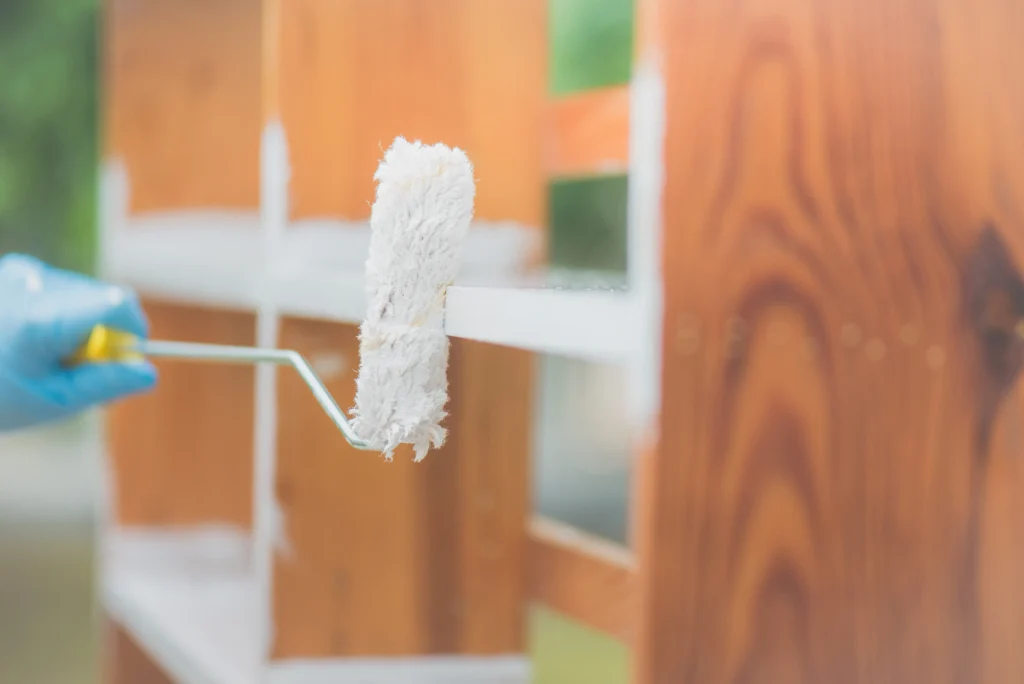
Planning is the most effective way to avoid rain-related problems. Start painting early in the day so the paint has maximum time to dry. Avoid painting when rain is forecast within 24 hours whenever possible. Focus on one side of the house at a time to ensure each area receives adequate drying time. When conditions are uncertain, it is better to delay than risk damage that requires repainting.
When to stop painting for the day
Professional painters often stop exterior painting by mid to late afternoon, even if daylight remains. This practice allows enough time for the paint to dry before evening dew or overnight humidity sets in. Evening moisture can be just as damaging as rain, especially in cooler temperatures. Knowing when to stop is just as important as knowing how many hours should paint dry before it rains.
Conclusion
So how many hours should paint dry before it rains? In most cases, exterior paint needs at least four to six hours before light rain and up to 24 hours before heavy rain. Paint type, temperature, humidity, surface material, and airflow all influence this timeline. While modern paints offer improved rain resistance, proper planning remains essential. For homeowners who want durable, weather-safe results without the guesswork, working with professionals makes all the difference. Four Seasons Painting Co. carefully schedules and applies exterior paint to ensure every project dries properly and holds up against Ohio weather conditions for years to come.