Many homeowners and DIY enthusiasts find old cans of spray paint sitting on shelves and wonder, can spray paint expire or is it still usable? Spray paint does not always have a clear expiration date printed on the can, which makes the answer less obvious. While spray paint does not spoil like food, it can degrade over time. Understanding how long spray paint lasts, what causes it to go bad, and how to tell if it is still usable helps you avoid poor results and wasted effort.

Does spray paint actually expire
Yes, spray paint can expire, but not in the traditional sense. The paint inside the can is a mixture of pigments, solvents, and propellants. Over time, these components can separate, thicken, or lose pressure. When this happens, the paint may spray unevenly, clog the nozzle, or fail to adhere properly. So when people ask can spray paint expire, the better question is whether it still performs as intended.
Typical shelf life of spray paint
Under proper storage conditions, most spray paint lasts between two and five years. Some high-quality brands may last even longer if the can remains sealed and stored correctly. The shelf life depends on factors such as brand quality, paint formulation, and environmental exposure. Water-based spray paints tend to have a shorter shelf life than solvent-based formulas. Manufacturers like Rust-Oleum generally recommend using spray paint within a few years for best results, even if the can appears intact.
What causes spray paint to go bad
Several factors affect how quickly spray paint degrades. Temperature changes, improper storage, and air exposure all contribute to paint breakdown. Storing cans in garages or sheds where temperatures fluctuate can shorten their lifespan. Extreme heat can cause pressure loss or chemical breakdown, while freezing temperatures can thicken the paint and damage internal components. Once a can has been opened and used, air introduced through the nozzle can also affect longevity. Even a small amount of dried paint inside the valve can restrict spray flow over time.
Signs that spray paint has expired
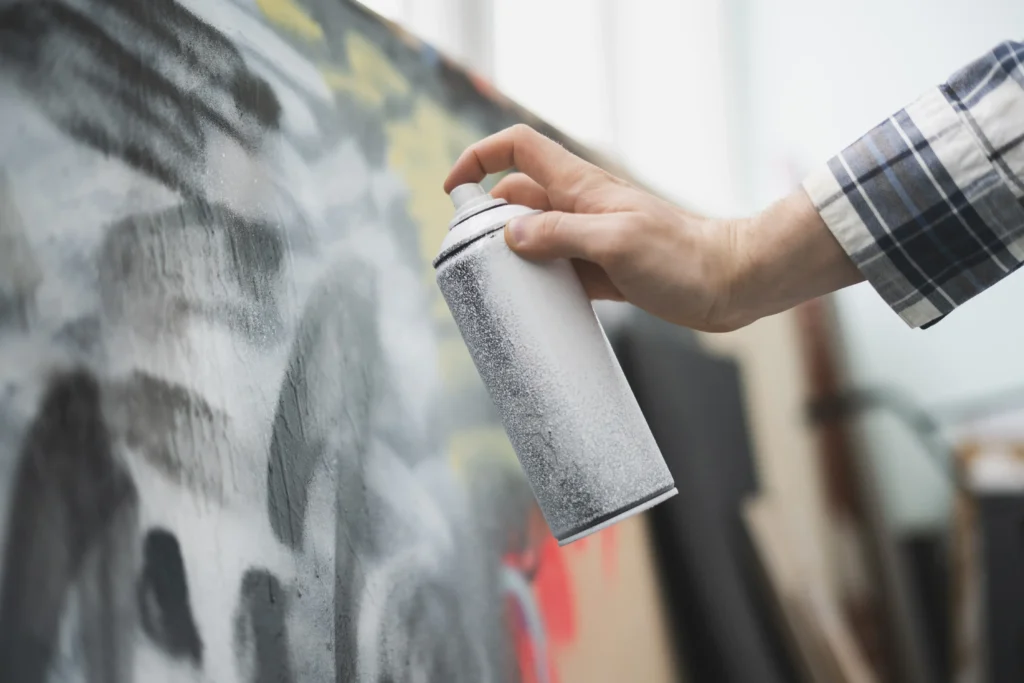
If you are unsure can spray paint expire in your situation, there are clear warning signs to watch for. Shaking the can should produce a smooth, liquid sound. If the paint feels chunky or does not mix after several minutes of shaking, it may be unusable. Weak spray pressure, sputtering, or uneven spray patterns are also common signs of expired paint. Discoloration, separation that does not remix, or a strong unusual odor can indicate chemical breakdown. In these cases, using the paint often leads to poor coverage or adhesion issues.
Can expired spray paint still be used
In some cases, older spray paint may still work for small or low-importance projects. If the can sprays evenly after thorough shaking and the color looks consistent, it may be usable. However, results are unpredictable. Expired spray paint may not dry properly, may clog mid-project, or may fail prematurely after application. For surfaces that matter, such as walls, doors, furniture, or exterior features, using fresh paint is always the safer choice. Professionals rarely take risks with old materials because consistency and durability are critical.
How spray paint expiration affects finish quality
Even if old spray paint sprays, the finish may suffer. Uneven pigment distribution can cause blotchy color. Reduced pressure can lead to spitting or heavy buildup in certain areas. Adhesion problems may cause peeling or chipping later. These issues often do not appear immediately, which makes expired paint especially risky for visible or long-term surfaces.
Proper storage to extend spray paint life
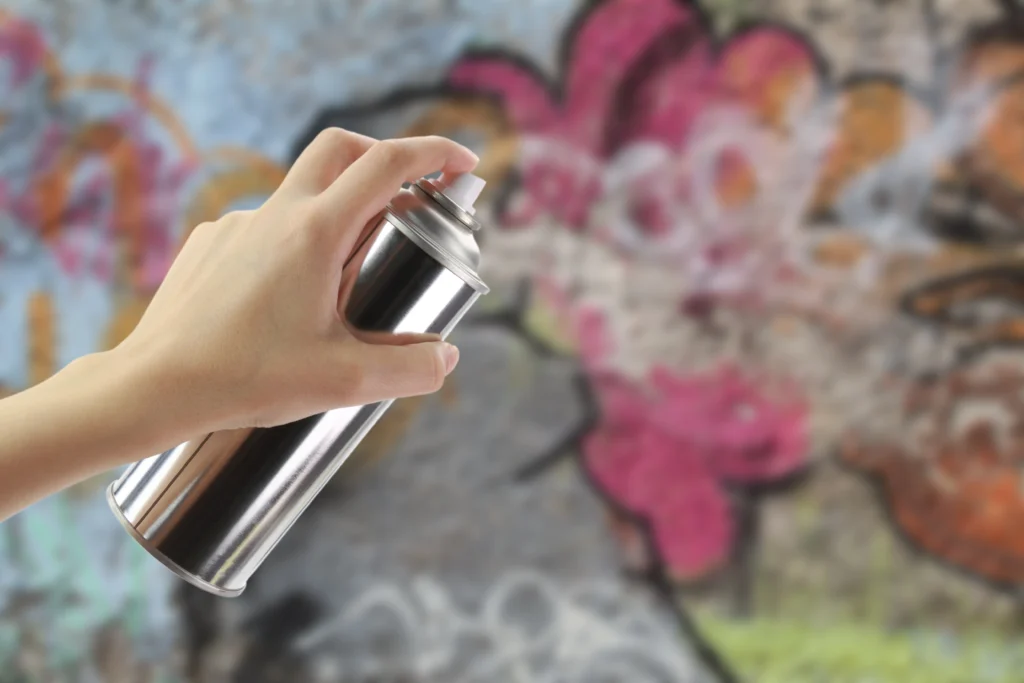
Correct storage significantly extends spray paint lifespan. Cans should be kept in a cool, dry place with stable temperatures. Avoid direct sunlight and freezing conditions. Storing cans upright helps prevent valve damage. After each use, clearing the nozzle by spraying upside down until only propellant comes out reduces clogging and extends usability. Keeping caps clean and replacing clogged nozzles also helps maintain spray performance. Proper storage does not guarantee spray paint will last forever, but it does slow degradation.
Safety concerns with expired spray paint
Using expired spray paint can pose safety risks. Cans that have lost pressure or experienced extreme temperature changes may leak or spray unpredictably. In rare cases, damaged cans can rupture. Always inspect cans for rust, dents, or swelling before use. If a can appears compromised, it should be disposed of properly according to local hazardous waste guidelines.

Disposing of old spray paint safely
Spray paint is considered hazardous waste in many areas due to its propellants and chemicals. Do not throw full or partially full cans into household trash unless local regulations allow it. Many municipalities offer hazardous waste collection days or disposal centers. Empty cans that no longer release paint may be recyclable depending on local rules.
When professionals avoid spray paint entirely
Professional painters rarely rely on spray paint for large surface areas or critical finishes. While spray paint is useful for small projects and touch-ups, professionals prefer high-quality brushes, rollers, or spray systems with controlled materials. Teams like Four Seasons Painting Co. use professional-grade coatings designed for durability and consistent performance rather than consumer spray cans.
Alternatives to spray paint for walls and large surfaces
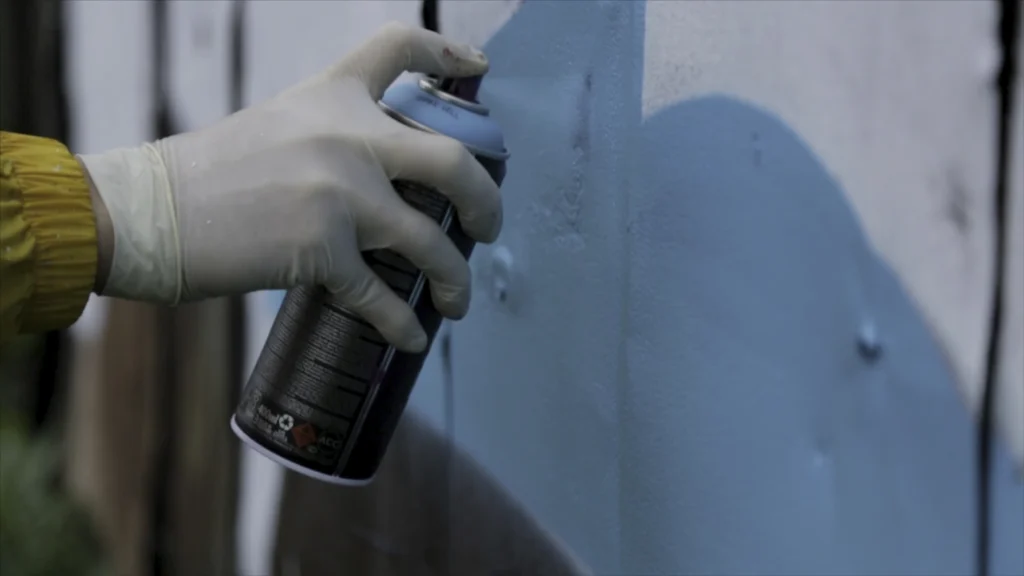
For walls, doors, cabinets, or trim, traditional paint applied with rollers or professional spray equipment provides better control and longevity. These methods allow for proper priming, thicker protective coats, and consistent color coverage. Spray paint is best reserved for small metal items, décor pieces, or quick touch-ups rather than full-scale painting.
Common mistakes with old spray paint
A common mistake is assuming that shaking longer will fix expired paint. While shaking helps remix components, it cannot reverse chemical breakdown. Another mistake is testing paint directly on the project surface instead of a scrap material. Always test older spray paint on cardboard or scrap before committing. Whether old spray paint is worth keeping depends on storage conditions and intended use. Cans stored properly and used occasionally may last several years. However, for important projects, the cost savings rarely justify the risk. Fresh paint delivers predictable results and reduces the chance of rework.
Conclusion
So can spray paint expire? Yes, spray paint can degrade over time due to separation, pressure loss, and chemical breakdown. While some older cans may still work, performance becomes unreliable as paint ages. Storage conditions, temperature exposure, and prior use all affect lifespan. For projects where appearance and durability matter, using fresh paint is the best option. When in doubt, replacing old spray paint saves time and frustration. For professional painting projects that demand consistent results, Four Seasons Painting Co. provides expert interior and exterior painting services using high-quality materials designed to last.