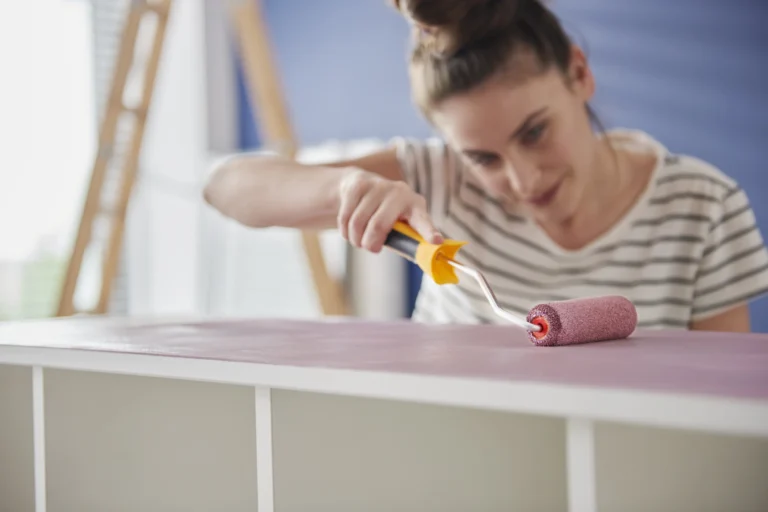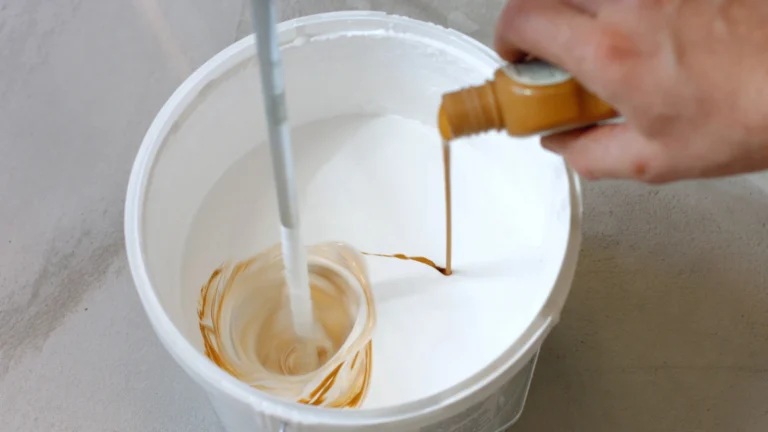
Homeowners often ask an important question before starting an outdoor painting project: is exterior paint waterproof, or does it only protect against light moisture? Exterior paint plays a major role in defending a home against rain, humidity, and changing weather conditions. However, there is often confusion about what exterior paint can truly withstand. Understanding how exterior paint interacts with water helps set realistic expectations and ensures the right products and preparation are used for long-lasting protection.
What waterproof really means in painting
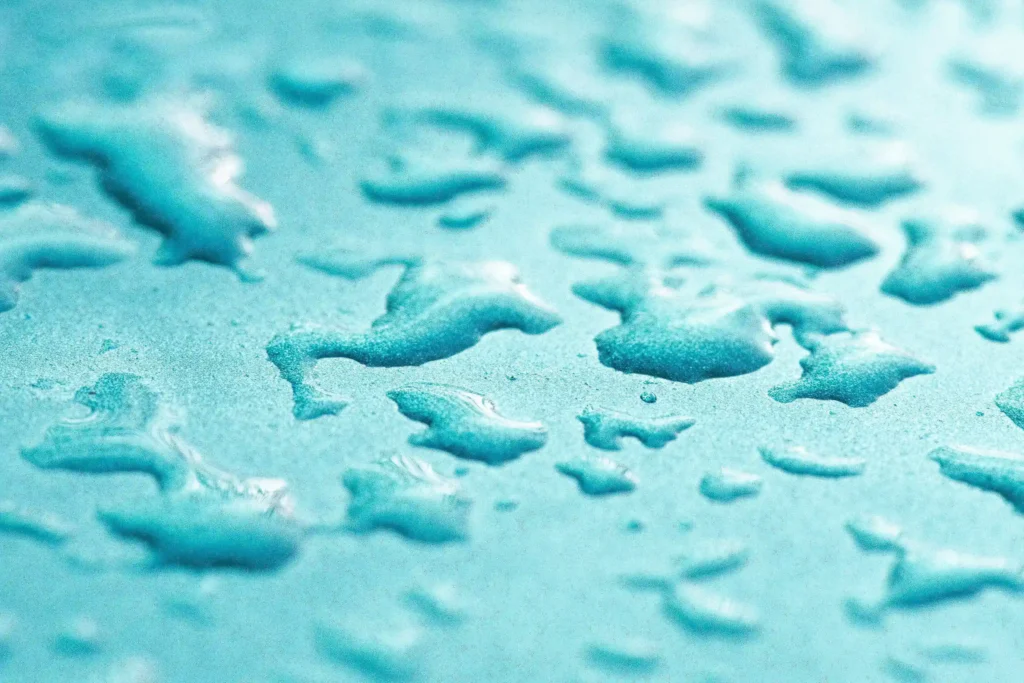
To understand whether exterior paint is waterproof, it helps to define the term. Waterproof means completely impervious to water, allowing no moisture to pass through under any conditions. Most exterior paints are not fully waterproof in this strict sense. Instead, they are water-resistant. This means they repel rain and surface moisture while still allowing walls to breathe. This balance is critical because trapped moisture inside walls can lead to rot, mold, and structural damage.
How exterior paint protects against moisture
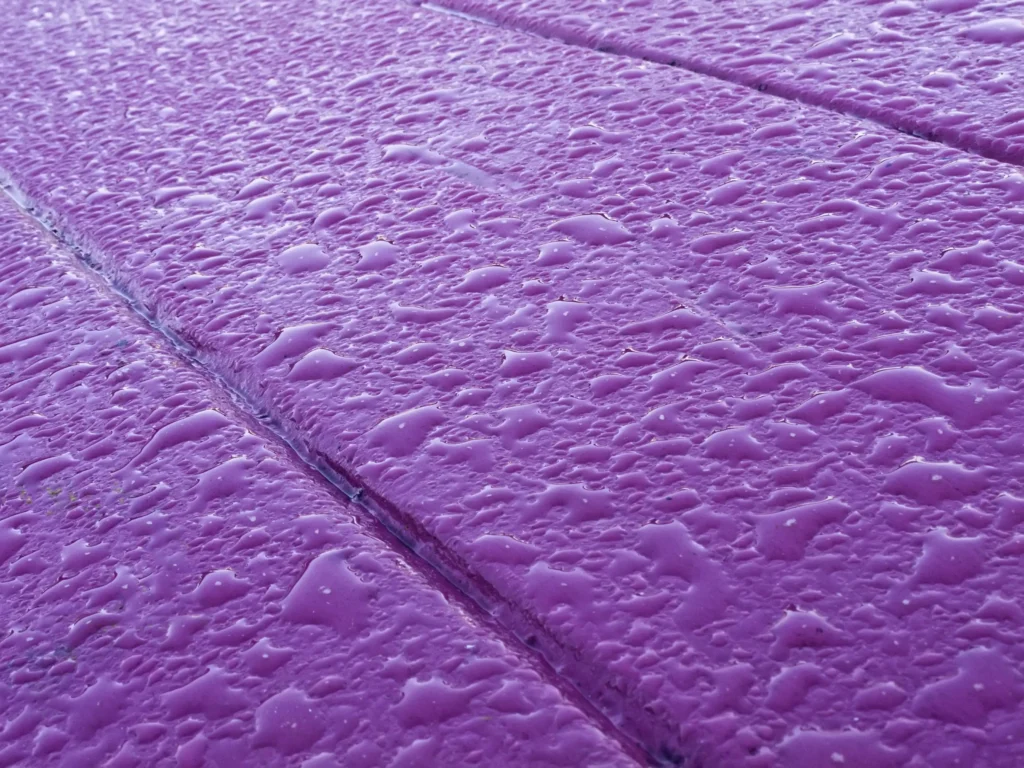
Exterior paint forms a protective film that sheds water and reduces moisture absorption. When applied correctly over a properly prepared surface, paint prevents rain from soaking into siding, trim, and other exterior materials. High-quality exterior paints contain resins and additives designed to resist water penetration while remaining flexible during temperature changes.
Professionals such as Four Seasons Painting Co. rely on premium exterior coatings that create a strong moisture barrier without sealing walls so tightly that trapped moisture becomes a problem.
Is exterior paint waterproof or water-resistant
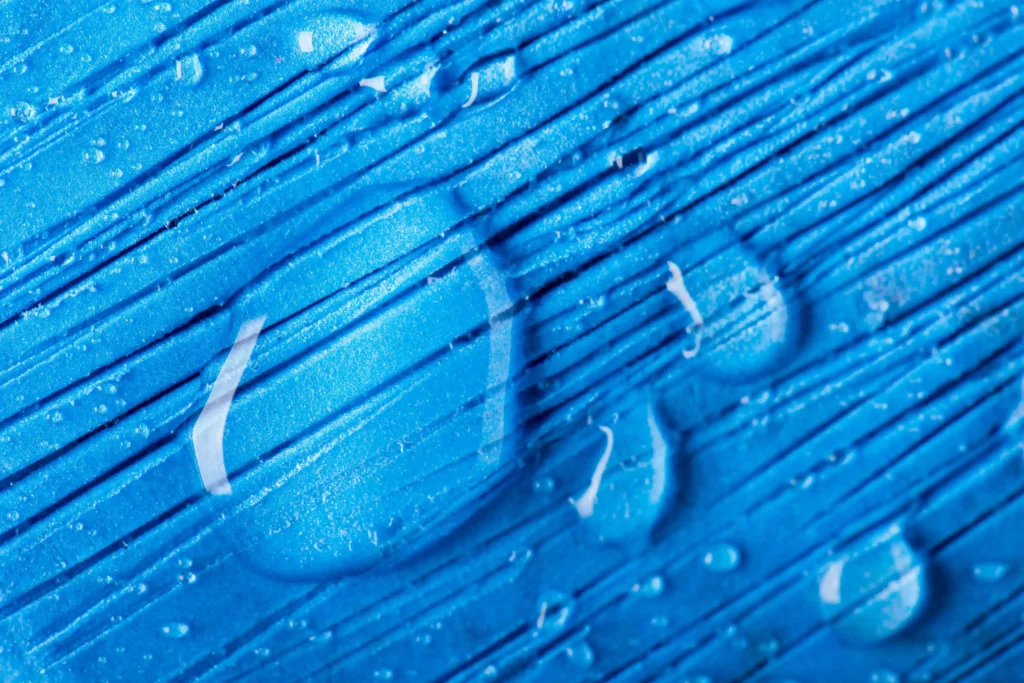
The most accurate answer to is exterior paint waterproof is that it is water-resistant, not fully waterproof. Exterior paint is designed to handle rain, snow, and humidity, but it is not meant to stop constant or standing water. Areas exposed to ongoing moisture, such as foundations or below-grade surfaces, require specialized waterproof coatings rather than standard exterior paint.
Types of exterior paint and water resistance
Different exterior paint formulations provide varying levels of moisture protection. Choosing the right type makes a significant difference in performance.
Acrylic latex exterior paint
Acrylic latex paint is the most commonly used exterior paint today. It offers excellent water resistance, flexibility, and durability. Acrylic resins allow the paint to expand and contract with temperature changes, reducing cracking that could allow water intrusion. This type of paint also resists mildew and fading, making it ideal for most climates.
Many high-performance products, such as Sherwin-Williams Duration Exterior Acrylic Latex, are formulated to resist moisture shortly after application while still allowing vapor to escape.
Oil-based exterior paint
Oil-based paints create a harder surface that resists water effectively once cured. However, they are less flexible than acrylic paints and may crack over time, allowing moisture to enter. Because of this, oil-based paints are used less frequently for full exterior walls but may still be used on trim or metal surfaces where hardness is beneficial.
Elastomeric paint
Elastomeric coatings offer a higher level of water resistance than standard exterior paints. These thick, flexible coatings can bridge small cracks and are often used on stucco or masonry. While not always considered traditional paint, elastomeric coatings come closer to being waterproof when applied correctly. They are commonly used in areas with heavy rainfall or on surfaces prone to cracking.

The role of surface preparation
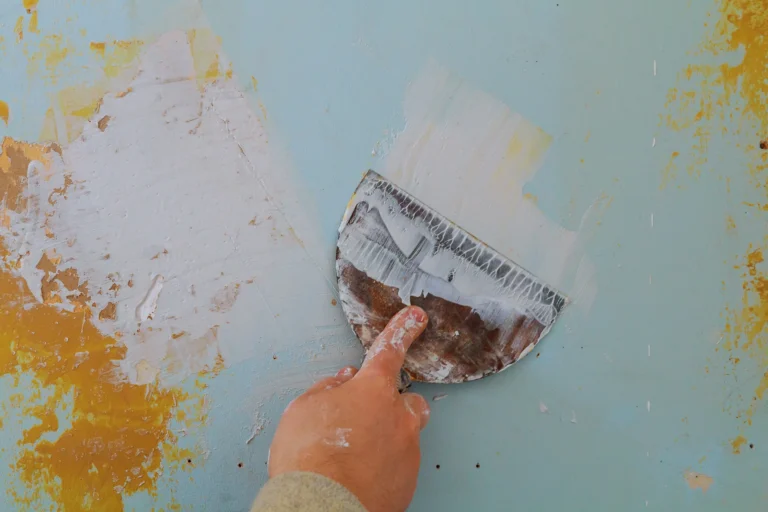
Whether exterior paint effectively resists water depends heavily on preparation. Dirty, peeling, or damaged surfaces prevent paint from bonding properly. Gaps, cracks, and failing caulk allow water to bypass the paint layer entirely. Proper preparation includes cleaning, scraping, sanding, repairing damaged areas, and sealing joints.
This is why professional exterior painting always begins with thorough preparation. You can see how preparation impacts long-term performance on the Exterior Painting page, where surfaces are cleaned and repaired before any paint is applied.
Why primer matters for moisture protection
Primer is a critical part of moisture resistance. Exterior primers seal porous surfaces and improve paint adhesion, creating a stronger barrier against water. Some primers are specifically designed to block moisture and stains. Skipping primer often results in uneven coverage and reduced water resistance, even when high-quality paint is used.
Can exterior paint stop leaks
Exterior paint cannot fix active leaks or structural water problems. If water is entering through roof issues, flashing failures, or foundation cracks, paint alone will not solve the problem. Paint is a protective layer, not a repair product. Leaks must be addressed before painting to prevent trapped moisture and paint failure.
How long does exterior paint resist water
Once fully cured, exterior paint can resist rain almost immediately. Most acrylic exterior paints become rain-safe within four to six hours under ideal conditions. Full curing, which maximizes durability and water resistance, can take several days to weeks. Over time, exposure to sun, wind, and weather gradually wears down paint, which is why exterior surfaces need repainting every five to ten years depending on conditions.
Common moisture-related paint failures
When exterior paint fails to protect against moisture, signs often appear. Bubbling, blistering, peeling, and mildew growth usually indicate moisture problems. These issues may result from poor preparation, trapped moisture, or using interior-grade paint outdoors. Addressing the underlying cause is essential before repainting.
Is exterior paint enough for all surfaces
Not all exterior surfaces rely on paint alone for moisture protection. Wood siding, trim, and fascia depend heavily on paint, while vinyl siding relies more on its material properties. Masonry and concrete often need specialized coatings or sealers in addition to paint. Understanding the surface helps determine whether standard exterior paint is sufficient.
Climate and environmental impact
Climate plays a major role in how well exterior paint resists water. Homes in rainy or humid regions require higher-quality paints and more frequent maintenance. Freeze-thaw cycles can also stress paint films, causing cracks that allow water entry. Selecting products designed for your local climate improves performance and longevity.
When waterproof coatings are needed
In areas exposed to constant moisture, such as basement walls, foundations, or retaining walls, waterproof coatings are more appropriate than standard exterior paint. These products are specifically engineered to block water pressure and prevent seepage. Using exterior paint in these areas often leads to failure.
Professional insight on moisture protection
Professional painters understand that exterior paint is part of a complete protection system. Surface repair, priming, quality paint, and proper application all work together to resist moisture. Teams like Four Seasons Painting Co. evaluate surfaces, identify moisture risks, and select products that perform reliably over time.
Conclusion
So is exterior paint waterproof? Exterior paint is water-resistant, not fully waterproof. It protects surfaces by repelling rain and moisture while allowing walls to breathe. The level of protection depends on paint type, surface preparation, primer use, and proper application. High-quality exterior paints provide excellent moisture resistance when used correctly, but they cannot fix active leaks or replace waterproofing systems. For homeowners who want durable, moisture-resistant exterior finishes, professional preparation and product selection make all the difference. Four Seasons Painting Co. delivers exterior painting solutions designed to protect homes from the elements and maintain their appearance for years to come.