A flat metal or fiberglass door can make an entry feel plain, even when the rest of the home looks updated. Many Lake County homeowners want the warmth of natural wood but do not want the cost or maintenance that comes with a solid wood slab. That is why the question How To Paint Door To Look Like Wood comes up so often during consultations. The good news is that you can transform a basic door into a rich wood style focal point with the right preparation, materials, and technique.
This process is not about simply brushing on brown paint. Creating a realistic wood appearance takes planning and layering. When done correctly, the finish adds depth, character, and curb appeal. When rushed, it can look artificial and streaky. In this guide, we will walk through each step so you understand exactly How To Paint Door To Look Like Wood and achieve a result that looks natural and lasts.
Why Homeowners Choose a Faux Wood Door Finish
Real wood doors offer beauty, but they expand and contract with weather changes. They require regular sealing or staining to prevent moisture damage. Steel and fiberglass doors provide better insulation and durability, yet they often lack visual warmth. Learning How To Paint Door To Look Like Wood gives you the benefit of both. You keep the strength of your existing door while upgrading its appearance.
Cost also plays a role. Replacing an entry door can be expensive once you factor in labor and hardware. A professional faux wood finish delivers a high end look without full replacement. Many homeowners choose this option during a larger exterior painting project so the entire front elevation feels refreshed at once.
Understanding the Basic Process Before You Start
Before you begin, it helps to understand the structure of the project. When researching How To Paint Door To Look Like Wood, you will notice three main phases. First comes preparation and priming. Second is the base coat, which creates the undertone. Third is the glaze layer, where the wood grain effect forms. Each stage depends on the one before it. Skipping steps often leads to peeling or an unrealistic finish.
Weather conditions matter if you are working on an exterior door. Choose a dry day with moderate temperatures. Avoid painting in direct harsh sunlight because glaze can dry too quickly. If possible, remove the door and place it on sawhorses. This gives better control and reduces drips.
Surface Preparation Sets the Foundation
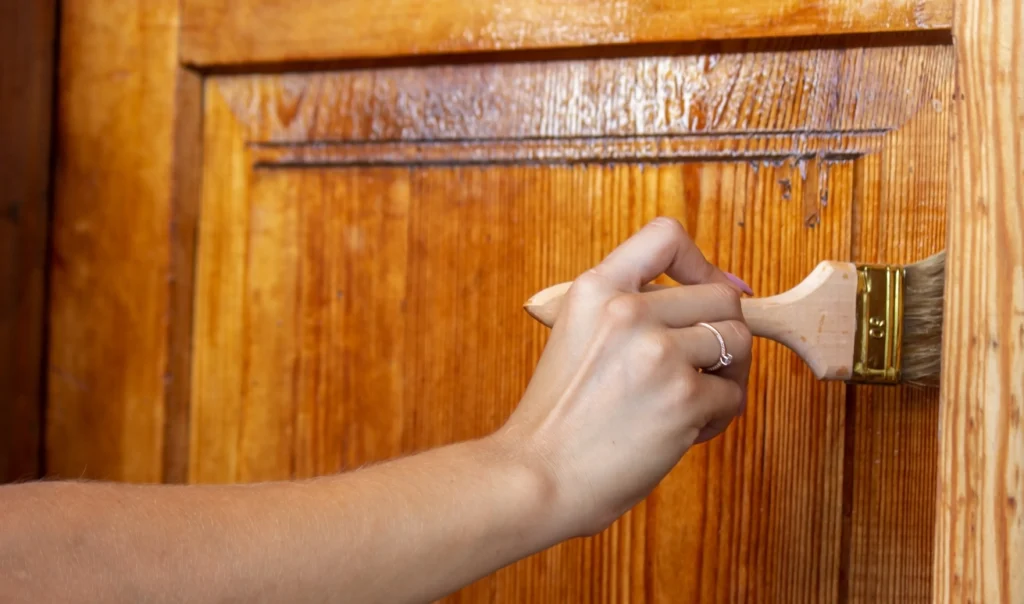
Preparation determines durability. Remove all hardware, including handles, locks, and kick plates. If you plan to remove hinges, label them so they return to the same position. Clean the surface thoroughly with mild detergent to remove oils and dirt. Even small contaminants can affect adhesion.
Light sanding helps primer bond properly. You do not need to strip the entire door to bare material unless the existing paint is failing. Focus on dulling the surface so the primer grips well. Wipe away dust with a clean cloth. Apply a bonding primer designed for metal or fiberglass, depending on your door material. Allow it to dry fully before applying any color.
Choosing the Right Colors for a Natural Look
Color selection makes a major difference when deciding How To Paint Door To Look Like Wood. The base coat should be lighter than your intended final tone. For example, if you want a dark mahogany look, begin with a warm tan base. If you prefer oak, choose a soft golden brown.
Apply the base coat evenly using a foam roller for smooth coverage. Two thin coats are better than one heavy coat. Let the base cure completely. This layer will show through parts of the grain, so it acts as the highlight within your finished effect.
Applying the Glaze and Creating Wood Grain
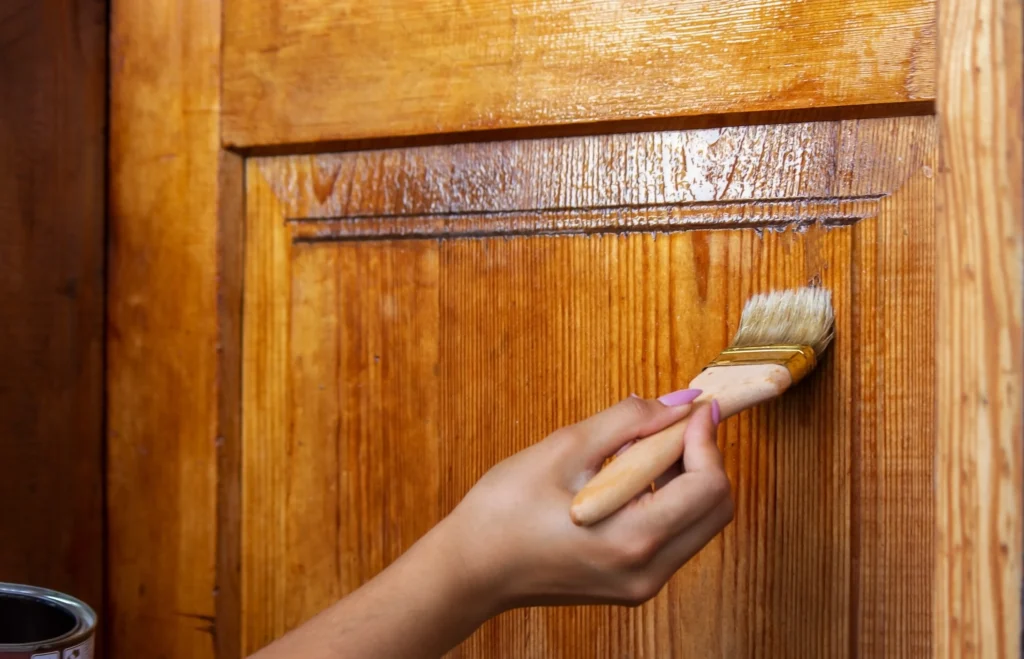
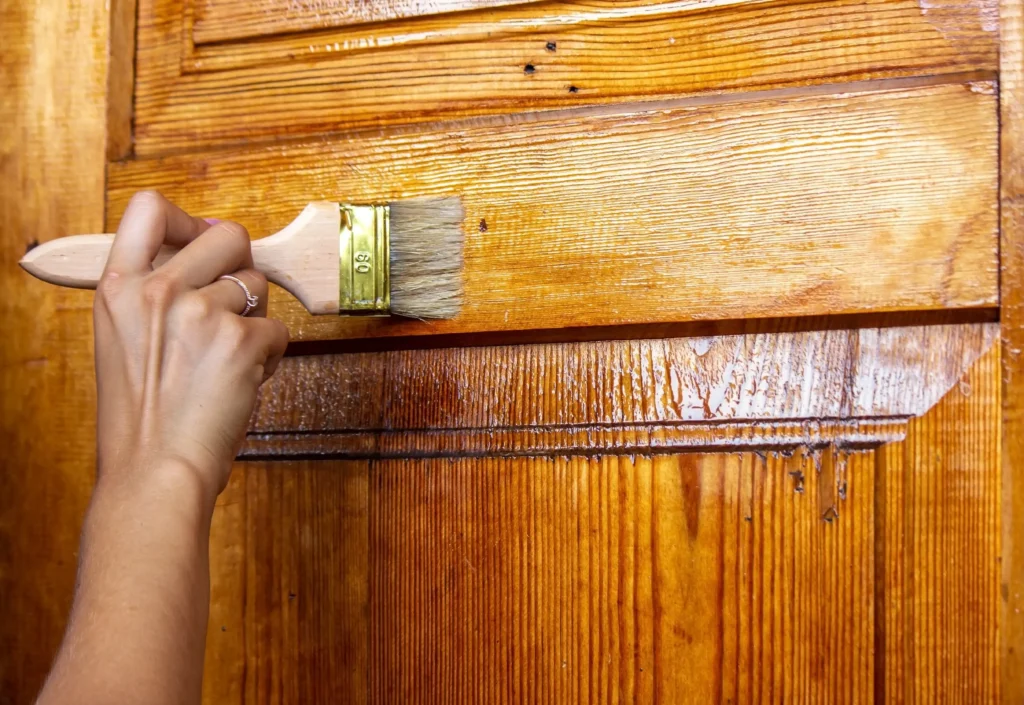
The glaze layer is where the transformation happens. Mix a darker paint with a glazing medium to extend drying time and improve workability. Brush the glaze onto one section at a time. While it remains wet, use a wood graining rocker or comb to pull through the surface. Rock the tool gently to create natural arcs and lines.
Real wood grain is not perfectly straight. Vary your pressure slightly as you move across panels. Wipe your tool clean after each pass to prevent buildup. If a section looks too bold, soften it lightly with a dry brush. When homeowners ask us How To Paint Door To Look Like Wood, we always stress patience in this stage. Rushing creates harsh patterns that look artificial.
If your door has recessed panels, complete those first before moving to flat sections. Work from top to bottom to maintain consistency. Stand back occasionally to evaluate the pattern from a distance. Subtle variation creates realism.
Adding Depth, Knots, and Character
Natural wood contains knots and tonal shifts. To add authenticity, use a small artist brush to create light curves or knot shapes while the glaze is still workable. Blend edges so they do not appear painted on. Avoid repeating identical shapes across the door.
Studying real wood samples can help guide your technique. Educational resources such as Family Handyman provide visual references for faux wood finishing methods at https://www.familyhandyman.com. Reviewing examples before you begin increases confidence and improves your final result.
Protecting the Finish for Long Term Durability
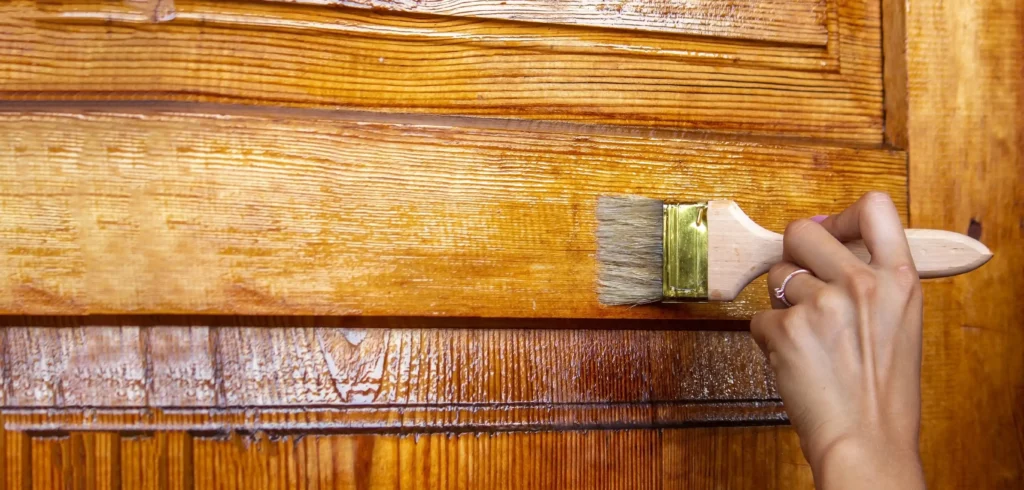
After the glaze dries completely, sealing the door is essential. For exterior doors, choose a clear protective topcoat rated for outdoor exposure. This layer shields against moisture, sun exposure, and temperature changes. Apply thin, even coats and follow manufacturer drying times carefully.
Interior doors also benefit from a clear coat, though they do not require weather resistance. A high quality polyurethane adds durability and makes cleaning easier. Proper sealing ensures that the effort you put into learning How To Paint Door To Look Like Wood pays off for years.
Using This Technique on Interior Doors
The same process works on interior doors to add warmth to hallways, offices, or basement spaces. During full interior painting updates, some homeowners choose to convert plain white doors into wood styled accents. Interior conditions are more stable, so the finish often lasts longer with less maintenance.
Lighting affects the final appearance indoors. Test your glaze combination on a sample board and view it in the room’s natural and artificial light before committing to the full door.
Common Mistakes That Affect Results
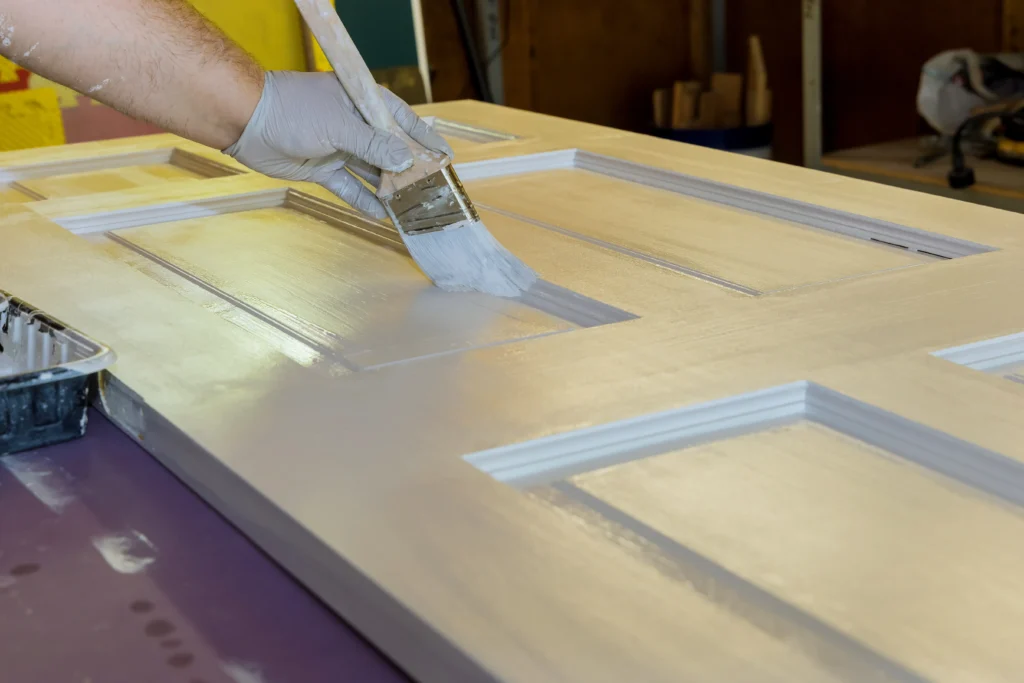
Skipping primer is one of the most frequent errors. Without proper adhesion, paint may peel or scratch easily. Applying glaze too thick can create muddy patterns. Working in large sections instead of smaller areas often leads to uneven drying lines.
Another mistake is choosing colors that are too similar in tone. The base coat must contrast enough with the glaze to create visible grain. Testing your method on scrap material builds confidence and helps refine technique before you start on the actual door.
When to Hire a Professional Painter
Faux wood finishing requires a steady hand and attention to detail. Large entry doors with multiple panels demand consistency across the entire surface. If you want a flawless look, professional painters bring experience and specialized tools to the job.
At Four Seasons Painting Co, we help homeowners throughout Lake County enhance both curb appeal and interior spaces. When clients ask How To Paint Door To Look Like Wood, we explain the full process and provide honest guidance on whether a DIY approach or professional service makes more sense.
Conclusion
Learning How To Paint Door To Look Like Wood allows you to transform a plain surface into a warm, inviting feature. The key steps include thorough preparation, selecting the right base and glaze colors, carefully creating natural grain patterns, and sealing the finish properly. When done with patience, the result can rival the look of real wood at a fraction of the cost.
If you are ready to upgrade your entry door or interior doors, contact Four Seasons Painting Co. Our team will ensure a professional, durable finish that enhances your home’s style and value.