Learning how to paint walls with texture is an excellent way to add depth, dimension, and personality to any space. Textured walls bring visual interest and can transform plain surfaces into standout features. From subtle sand finishes to bold patterns, textured painting adds style while hiding imperfections that smooth finishes often highlight. With the right preparation, tools, and technique, homeowners can create walls that feel both elegant and unique.
Why Textured Walls Stand Out
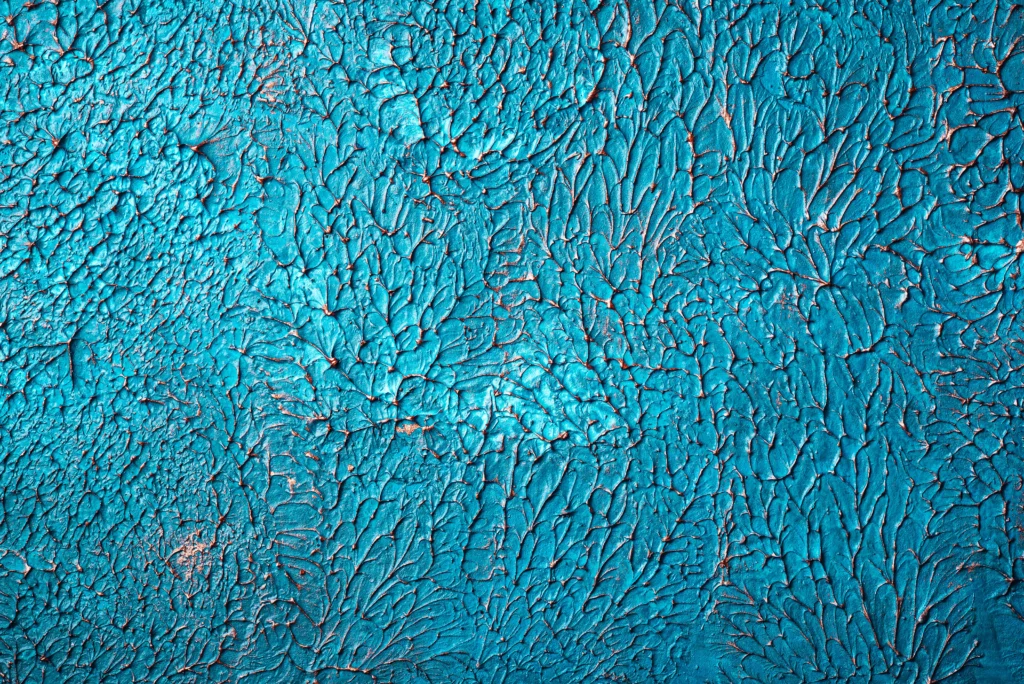
Textured finishes are popular because they break up flat surfaces and create a more dynamic environment. When you understand how to paint walls with texture, you gain creative control over the look and feel of your rooms. Textured paint can add warmth to large, open spaces or character to older homes. It also helps conceal small flaws, like dents or uneven drywall, making it both a decorative and practical solution. Unlike smooth paint, textured finishes interact with light differently. The raised areas catch highlights, while recessed parts create shadows, giving walls a natural sense of depth. This variation can make even a simple color palette feel sophisticated and layered.
Understanding the Basics of Textured Paint
Before diving into application techniques, it’s helpful to understand what makes textured paint different. Textured paint is thicker than standard wall paint and may contain additives like sand, silica, or other fine materials that create a tactile surface. It’s available in pre-mixed forms or as additives that can be stirred into regular paint. Learning how to paint walls with texture starts with selecting the right type of paint for your desired effect. Texture can range from light to heavy, depending on how the paint is applied. Lighter textures use brushes or rollers, while heavier patterns may require specialized tools or trowels. Each method produces a distinct look, from soft stippling to bold, sculpted designs. For a detailed explanation of paint components and additives, you can visit Wikipedia’s overview of paint.

Preparing the Walls for Textured Painting
Proper preparation is essential before learning how to paint walls with texture. Start by cleaning the surface to remove dust, grease, and residue. Any existing cracks or holes should be filled and sanded smooth. Textured paint adheres best to clean, even surfaces. If you’re working on new drywall, apply a primer-sealer first to create a uniform base for the texture. For older walls, it may be necessary to remove loose paint or lightly sand glossy finishes to ensure good adhesion. Cover nearby surfaces, outlets, and trim with painter’s tape. Professionals at Four Seasons Painting Co always emphasize preparation because it directly impacts the final look and durability of the paint job.
Choosing the Right Tools for the Job
The tools you use determine the type of texture you can achieve. For most projects, a textured roller or sponge is sufficient to apply consistent patterns. Rollers with thicker naps or specialized covers create stippled or rough surfaces, while sponges allow for more organic, uneven designs. Knowing how to paint walls with texture means experimenting with tools to find the pattern that matches your vision. For heavier textures, such as Venetian plaster or knockdown finishes, additional tools like trowels or drywall knives may be needed. These tools let you spread thicker layers and manipulate the surface before it dries. It’s best to practice on scrap drywall or cardboard before starting on the actual wall. Experimenting builds confidence and prevents mistakes once the texture is applied to your home’s surfaces.
Applying Textured Paint to the Walls
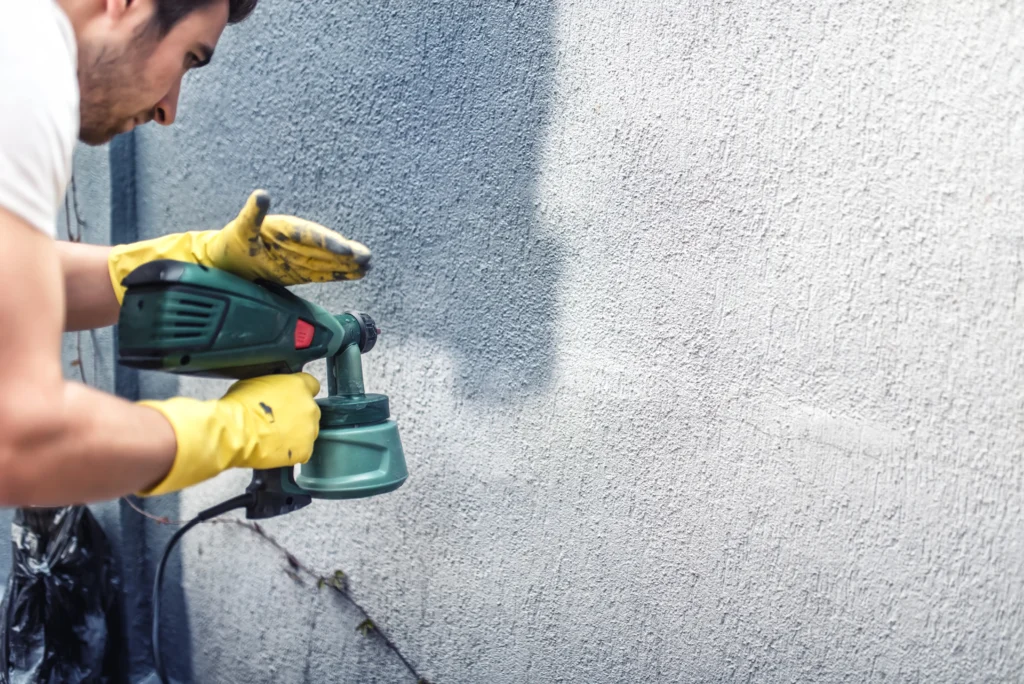
Once your walls are prepared and your tools ready, it’s time to apply the texture. Stir the paint thoroughly to distribute the texture material evenly. Begin at the top of the wall and work downward, maintaining steady, overlapping strokes. Apply a thin first coat to establish coverage, followed by a second coat for full texture. If using a roller, keep consistent pressure to avoid uneven patterns. Learning how to paint walls with texture takes patience. It’s better to work in small sections so that you can maintain a consistent look across the surface. Avoid overworking areas after they begin to dry, as this can flatten the texture or leave visible lines. Allow each coat to dry fully before assessing the final pattern and applying additional layers if desired.
Blending and Finishing Textured Surfaces
After applying textured paint, it’s important to blend sections seamlessly. Overlapping strokes lightly between wet areas helps achieve a natural, continuous finish. If you’re combining brush and roller techniques, always keep the transitions soft and gradual. This creates a professional look that feels intentional rather than patchy. Once the paint is dry, consider applying a topcoat or glaze to protect the surface and enhance the texture. A glaze can add dimension by highlighting raised areas and deepening the shadows. To understand how textured finishes interact with light and color, see Forbes’ guide to paint finishes. It explains how sheen levels affect visual depth and overall appearance.
Common Types of Wall Texture Techniques
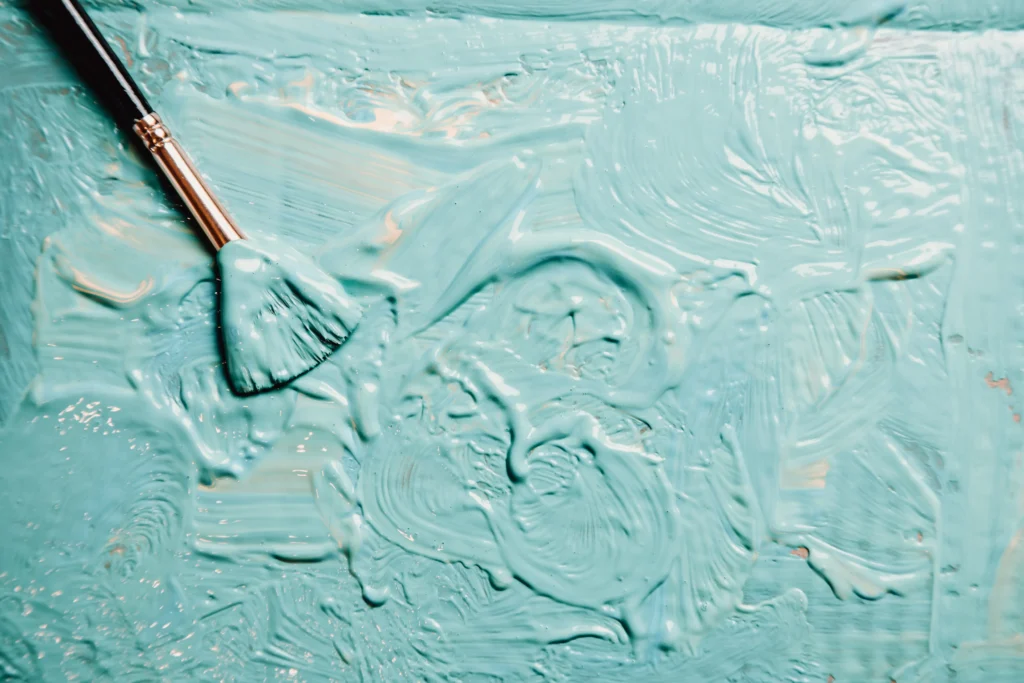
There are several techniques to explore when learning how to paint walls with texture. One popular option is the sand texture, where fine particles create a subtle, grainy feel. Another is the orange peel effect, which produces a soft, dimpled pattern often seen in modern homes. For a more dramatic result, a knockdown texture adds movement and variation with troweled layers that mimic plaster. Each technique requires a slightly different approach. The key is to maintain even pressure and consistent movement during application. Professionals typically use the same stroke pattern across the room to achieve uniformity. Choosing the right method depends on your design style and how much visual contrast you want the texture to create.
How Lighting Affects Textured Walls
Lighting plays a big role in how textured paint looks once applied. Natural sunlight highlights raised areas and deepens shadows, giving walls a dynamic appearance throughout the day. Artificial lighting can be adjusted to emphasize or soften the texture. When planning how to paint walls with texture, consider how both types of lighting will interact with the finish. Directional lighting, such as track or wall-mounted fixtures, creates striking effects that enhance textured surfaces. Meanwhile, diffused lighting makes textures appear softer and more subtle. Thinking about lighting early ensures that your paint finish complements the mood and function of the room.
Maintenance and Care for Textured Walls
Textured walls require slightly different care than smooth ones. Dust and debris can settle in crevices, so gentle cleaning is recommended. Use a soft brush or vacuum attachment for regular dusting, and wipe with a damp cloth for deeper cleaning. Avoid harsh chemicals or scrubbing, which can wear down the raised patterns over time. When touch-ups are needed, use the same tool and paint type originally applied. Matching texture can be tricky, so applying small, feathered strokes helps blend repairs. Professionals from Four Seasons Painting Co recommend keeping extra paint and a sample of your textured material for future use, ensuring any touch-ups blend seamlessly with the existing finish.
When to Call Professionals
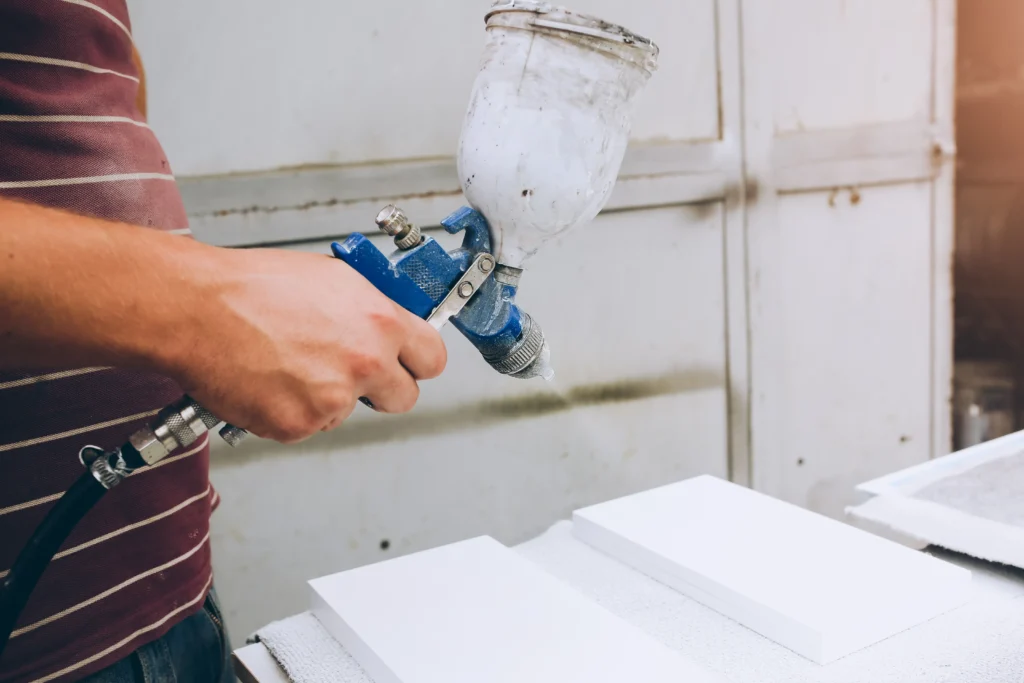
While it’s possible to learn how to paint walls with texture on your own, professional painters bring specialized tools and experience that ensure consistent results. Achieving the right thickness, pattern, and drying balance takes practice. If you want a refined look without the trial and error, hiring a skilled painting team is a smart choice. They can recommend the best materials for your environment and handle complex textures with precision. Experienced professionals also complete the job more efficiently, keeping your space clean and protected. For large rooms, vaulted ceilings, or detailed finishes, professional service guarantees the durability and appearance you expect.
Conclusion
Understanding how to paint walls with texture allows you to transform plain surfaces into striking design elements. With proper preparation, quality materials, and steady technique, textured finishes bring life and dimension to any interior. Whether you want subtle warmth or dramatic character, textured walls offer endless creative options.
For homeowners in Lake County, Ohio, Four Seasons Painting Co provides expert interior and exterior painting services, including custom textures and specialty finishes. Their team focuses on detailed preparation, professional application, and lasting results. To schedule a consultation or request a free estimate, visit the contact page and discover how a textured paint finish can transform your home.