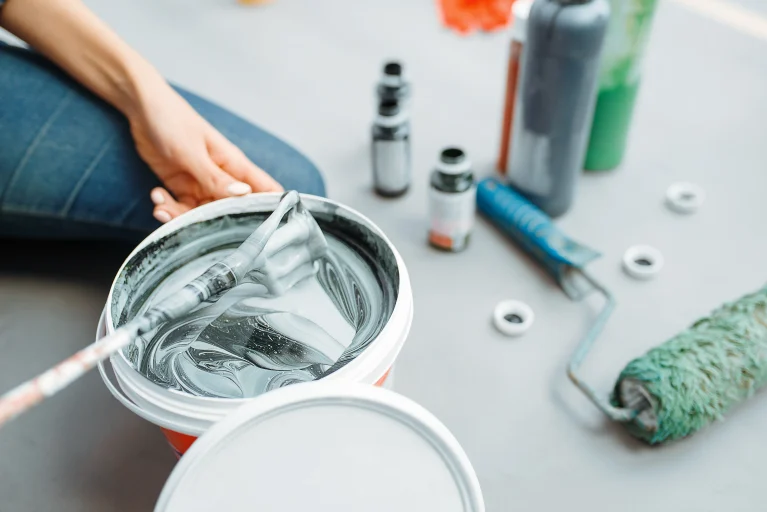
Painting a house can be one of the most effective ways to refresh its appearance and protect important surfaces. However, the price can vary significantly between projects. A small home with walls in good condition may require far less work than a larger property with repairs, high ceilings, detailed trim, or weathered siding.
When homeowners ask how much to paint a house, the answer depends on whether the project involves the interior, exterior, or both. Professional house painting can range from a few thousand dollars to well above $10,000 for larger or more complicated projects. Understanding what affects that price makes it easier to review estimates and plan a realistic budget.

How Much To Paint A House Depends On Project Scope
The first question is whether you want to paint the interior, exterior, or the entire property. Interior work may include walls, ceilings, trim, doors, closets, and stairways. Exterior work can include siding, fascia, soffits, shutters, trim, doors, and other painted surfaces. Adding more surfaces increases both material and labor requirements.
This is why how much to paint a house cannot be answered accurately from the home’s floor area alone. Two 2,000-square-foot houses can have very different painting costs. One may have an open layout with standard-height walls, while another has many rooms, vaulted ceilings, extensive trim, and several colors. Exterior architecture creates similar differences. A simple one-story home may be easier to paint than a multi-story property with difficult access. Defining exactly what will be painted is the first step toward a useful estimate.
House Size Has A Major Effect On Cost
Larger homes generally require more paint, preparation materials, labor, and working time. However, painters usually need to consider actual paintable surfaces rather than simply using the number of square feet listed for the property. Floor area does not equal wall or exterior surface area.
Interior ceiling height is especially important. Taller walls create additional square footage and may require ladders or other access equipment. Outdoors, multiple stories, dormers, complex rooflines, and architectural details can increase the amount of time required. When calculating how much to paint a house, accessibility should therefore be considered alongside size. Homeowners seeking professional interior painting services can receive an estimate based on the actual rooms and surfaces involved rather than relying on a broad price calculated only from the home’s total floor area.
Surface Preparation Can Increase The Price
Preparation is one of the biggest variables in a painting estimate. Clean walls with sound existing paint require less work than surfaces with cracks, holes, stains, peeling coatings, damaged caulk, or previous poor repairs. These problems should be corrected before new paint is applied.
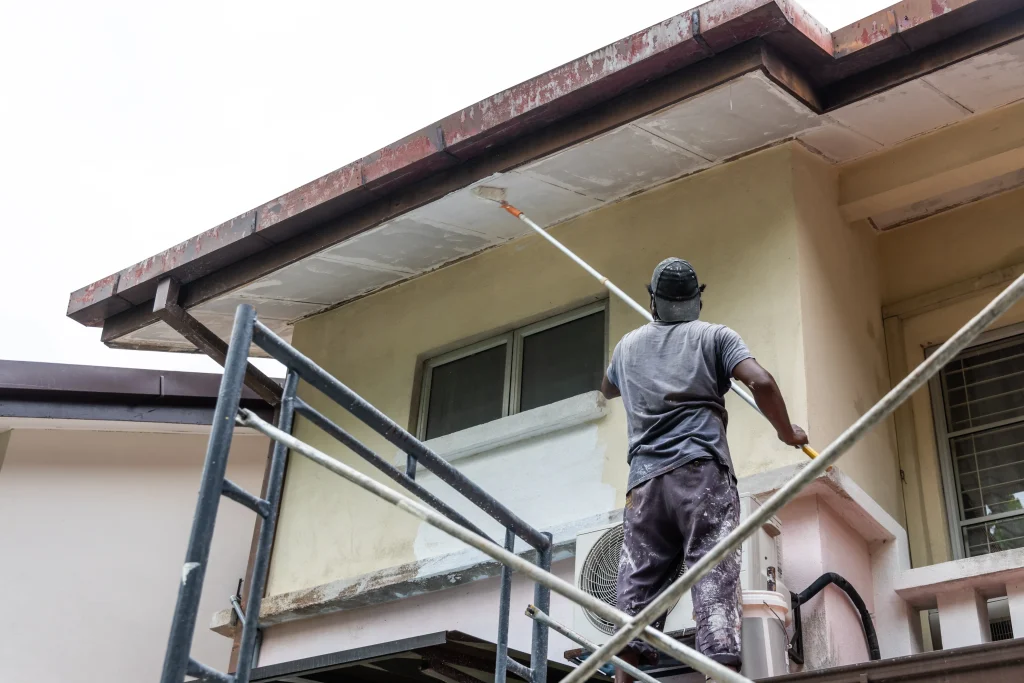
Exterior preparation can be even more extensive. Loose paint may need scraping, rough areas may require sanding, and damaged caulk or wood may need attention. Dirt, mildew, pollen, and chalky residue must also be removed before painting. Professional pressure washing services can be part of preparing exterior surfaces when significant buildup is present. When homeowners research how much to paint a house, focusing only on paint quantity can underestimate the real project. A properly prepared surface takes more time initially, but it gives the new coating a stronger foundation and can reduce premature paint failure.
Labor Makes Up A Significant Part Of The Cost
Professional painting involves much more than applying color with a roller. Painters protect floors and furniture, move or cover items, prepare surfaces, mask edges, cut in around details, apply coatings, inspect the finish, complete touch-ups, and clean the work area. Exterior projects may also require ladders and additional safety procedures.
The U.S. Bureau of Labor Statistics reported a median wage of $23.75 per hour for construction and maintenance painters in May 2025. This wage is not the same as a contractor’s customer billing rate because a professional business also carries expenses such as insurance, equipment, transportation, administration, and supplies. Still, it helps explain why labor matters when estimating how much to paint a house. Projects requiring several painters over multiple days naturally cost more than a simple one-room repaint.
Paint Quality And Number Of Coats Matter
Paint prices vary based on formulation, durability, finish, and intended use. Premium coatings often cost more per gallon, but they may provide improved coverage, washability, color retention, or weather resistance. Interior and exterior products also serve different purposes and should not be selected solely according to price.
The number of coats affects the budget as well. A similar-color repaint may need less material than changing a deep color to white or another light shade. Bare areas, repairs, stains, and highly absorbent surfaces may also require primer. When determining how much to paint a house, homeowners should compare complete coating systems rather than only the price of one gallon. Using the correct primer and finish paint can provide better results than trying to save money by stretching material too far. A detailed estimate should make clear which coatings and how many coats are included.
Exterior Painting Has Its Own Cost Factors
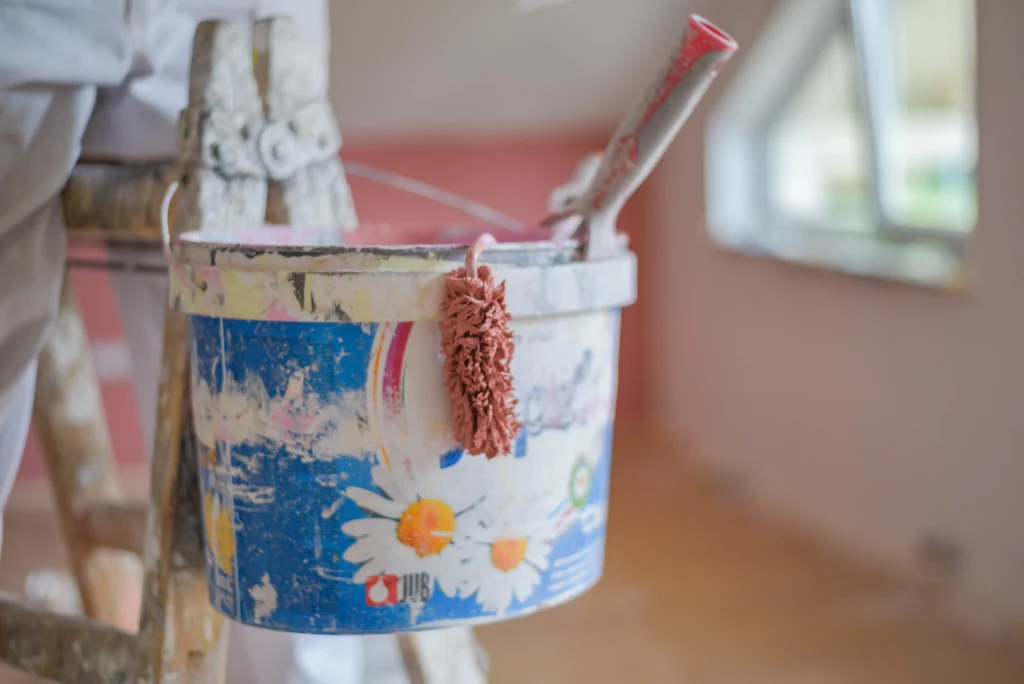
Exterior painting is affected by siding material, building height, surface condition, weather exposure, and accessibility. Wood, vinyl, stucco, masonry, and other surfaces may require different preparation methods and coating systems. Homes with extensive trim or architectural details usually require more detailed work.
Weathered exteriors can also need significant preparation before the first finish coat goes on. Professional exterior painting services should account for cleaning, scraping, repairs, priming, and the actual surface material. These variables explain why how much to paint a house exterior can differ substantially from one property to another. A lower initial estimate may not represent good value if important preparation has been excluded. Homeowners should review exactly what surface work, paint, coats, protection, and cleanup are included before comparing exterior painting proposals.
Interior Details Can Raise The Total Price
Walls are only one part of many interior painting projects. Ceilings, baseboards, crown molding, window trim, doors, closets, stairways, and built-in features can add considerable work. These surfaces often require more detailed brushwork than large open walls.
Color changes can also affect how much to paint a house interior. Using several colors means more cutting in, equipment changes, and material management. Painting occupied rooms can require additional time to move, cover, and protect belongings. Empty homes are often easier to access and organize efficiently. Homeowners can control the scope by deciding which surfaces genuinely need repainting before requesting estimates. For example, keeping ceilings or trim that remain in good condition can reduce the project compared with repainting every surface. A clear room-by-room plan makes estimates easier to understand and compare.
Get A Detailed Estimate For Your Specific House
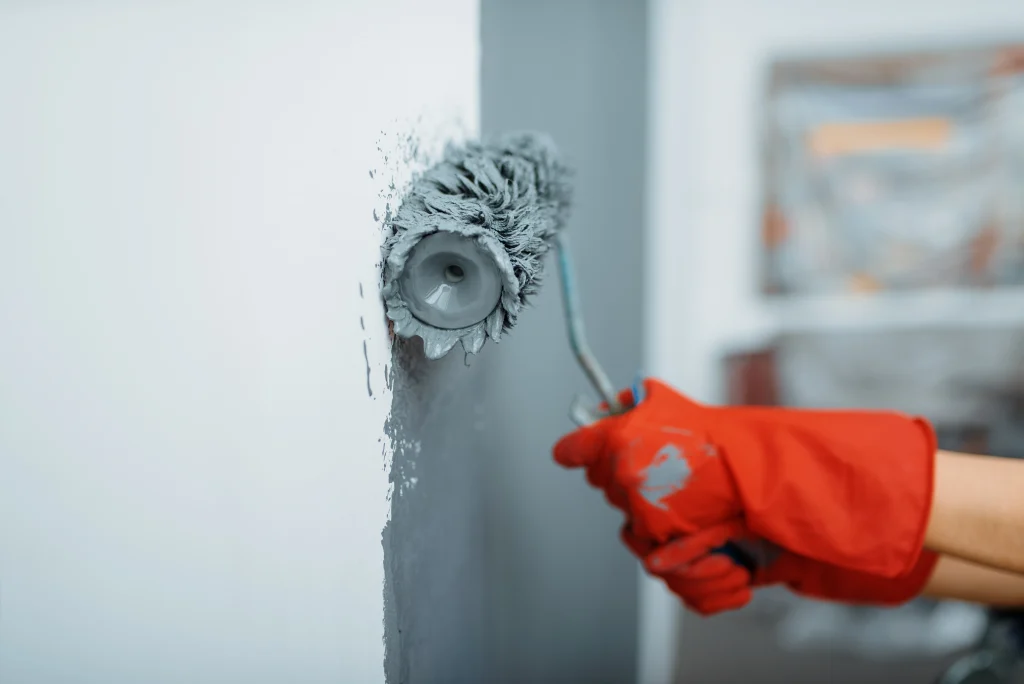
Online averages can provide a rough starting point, but they cannot account for the exact condition and layout of a property. The most useful estimate comes from evaluating the surfaces, repairs, accessibility, colors, coatings, and scope of work required for that specific home.
So, how much to paint a house? Many professional projects cost several thousand dollars, while larger whole-house projects with extensive preparation can rise substantially higher. Rather than selecting a painter based only on the lowest total, homeowners should compare what each estimate actually includes. Preparation, number of coats, materials, surfaces, cleanup, and repairs should all be clear. Four Seasons Painting Co serves Lake County, Ohio, with professional interior and exterior painting based on careful preparation, suitable coatings, and project-specific estimates for each home.