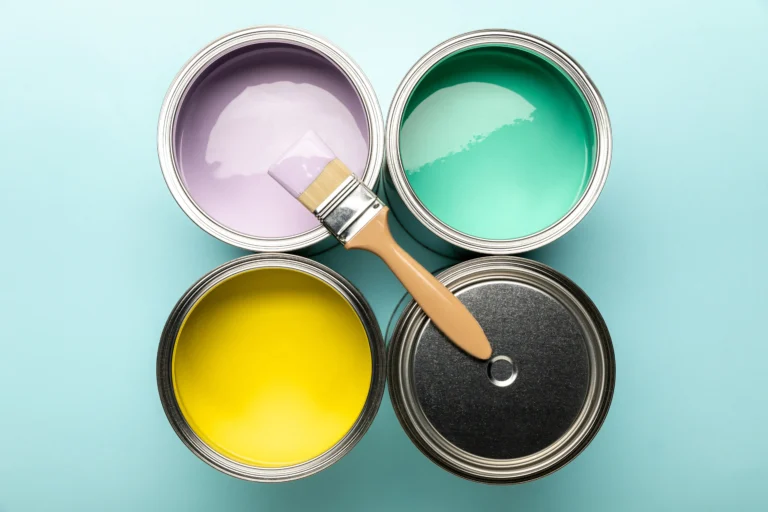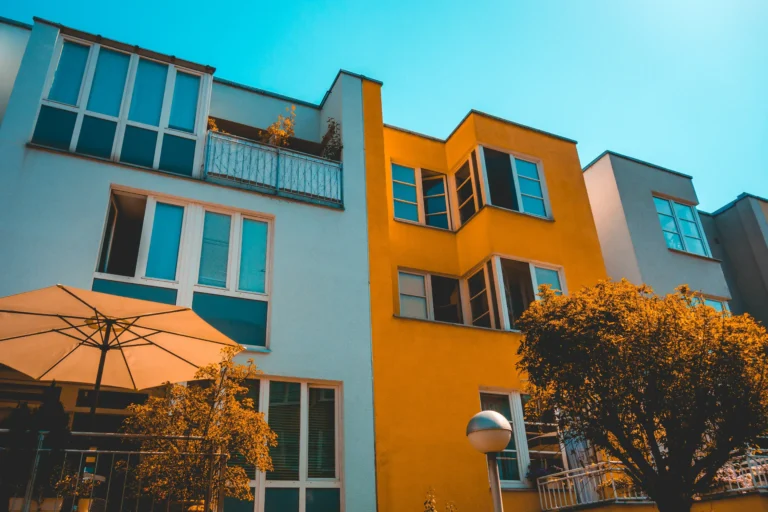
Choosing exterior paint is not only about color selection. Homeowners often ask what exterior paint is best because they want long-term protection, durability, and strong curb appeal. Exterior surfaces deal with sunlight, rain, snow, humidity, wind, and temperature changes throughout the year. A poor paint choice can fade, crack, or peel within a short time. A quality paint system protects siding and trim while maintaining a clean, attractive appearance. Understanding paint formulation, climate factors, surface material, and finish options helps determine what exterior paint is best for your specific home.
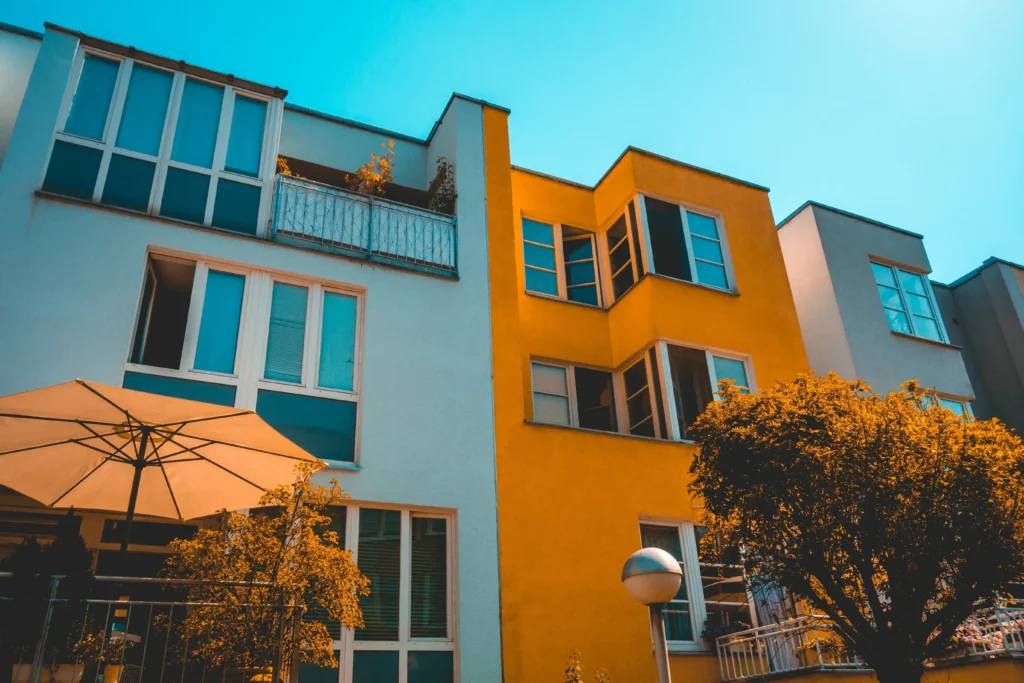
Acrylic Latex Versus Oil-Based Paint
Modern exterior painting projects most commonly use acrylic latex paint. Acrylic latex offers flexibility that allows it to expand and contract with changing temperatures without cracking. It also resists mildew and fading better than older formulations. Oil-based paints were once common for exterior applications due to their smooth finish and durability, but they tend to become brittle over time and may fade faster under direct sunlight. When homeowners evaluate what exterior paint is best today, acrylic latex consistently provides the strongest combination of flexibility, adhesion, and weather resistance.
Climate Plays a Major Role
Weather conditions directly impact paint performance. In regions with heavy rainfall or high humidity, moisture-resistant paint prevents peeling and bubbling. Homes exposed to intense sun benefit from UV-resistant pigments that reduce fading and chalking. Cold climates require paint that remains flexible during freezing temperatures. Selecting paint that matches regional climate conditions significantly increases lifespan. Asking what exterior paint is best should always begin with evaluating the local environment.
Siding Material Determines Compatibility
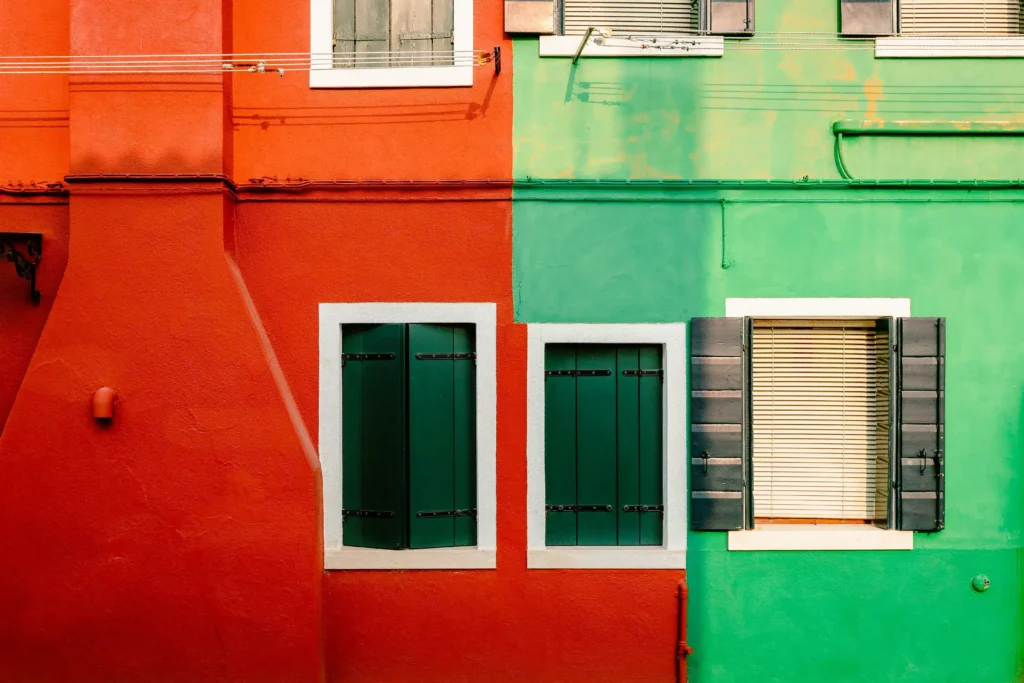
Different siding materials require specific paint characteristics. Wood siding needs breathable coatings that allow moisture to escape while blocking water from entering. Vinyl siding requires vinyl-safe paint to prevent warping caused by heat absorption. Stucco and masonry surfaces need thicker coatings designed to bond to porous materials. Metal siding may require rust-inhibiting primers before topcoat application. Understanding surface material ensures homeowners choose what exterior paint is best for long-term adhesion and durability.
Importance of Surface Preparation
No exterior paint will perform properly without preparation. Pressure washing removes dirt and mildew. Scraping peeling paint prevents future flaking. Sanding rough edges smooths transitions between old and new surfaces. Caulking gaps seals vulnerable areas around windows and trim. Priming bare or repaired sections ensures strong adhesion. Proper preparation often determines whether a paint job lasts five years or fifteen years.
Choosing the Right Finish
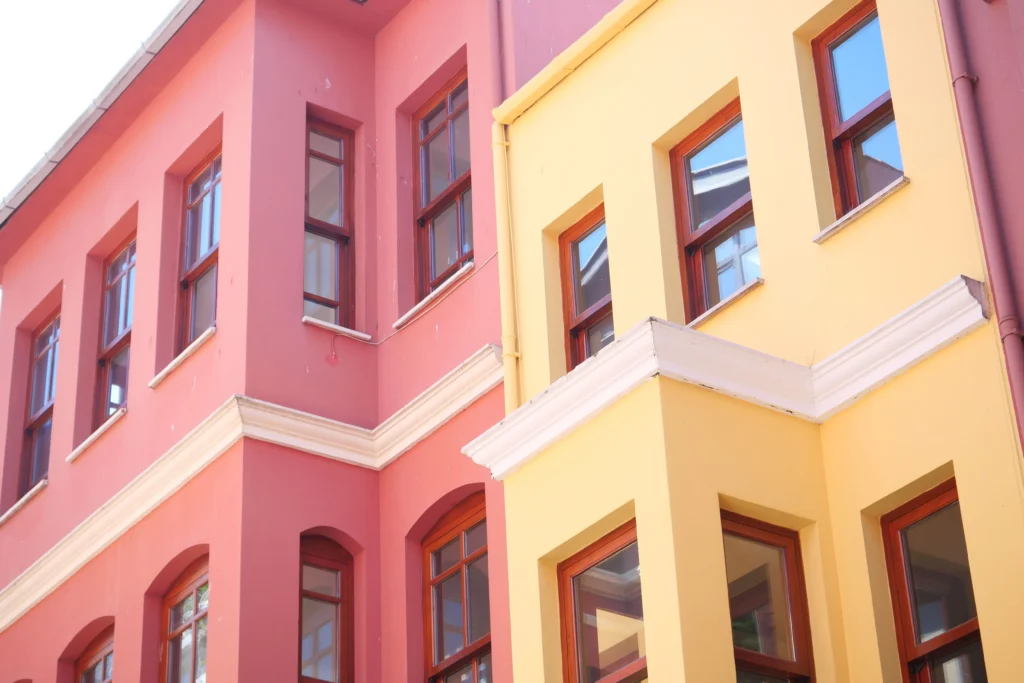
Finish selection affects both durability and maintenance. Flat finishes hide imperfections but can attract dirt more easily. Satin or low-luster finishes are commonly recommended for siding because they provide subtle sheen and improved cleanability. Semi-gloss finishes are typically used for trim, doors, and shutters because they resist moisture and are easier to wipe clean. When determining what exterior paint is best, selecting the proper finish is just as important as choosing the correct formulation.
Longevity Expectations
High-quality exterior paint generally lasts between 8 and 15 years depending on exposure and preparation. Premium paints contain higher resin content and stronger pigments that improve durability. Lower-cost paints may save money upfront but often require repainting sooner. Investing in durable paint reduces long-term maintenance costs and protects underlying siding materials.
Fade Resistance and Color Stability
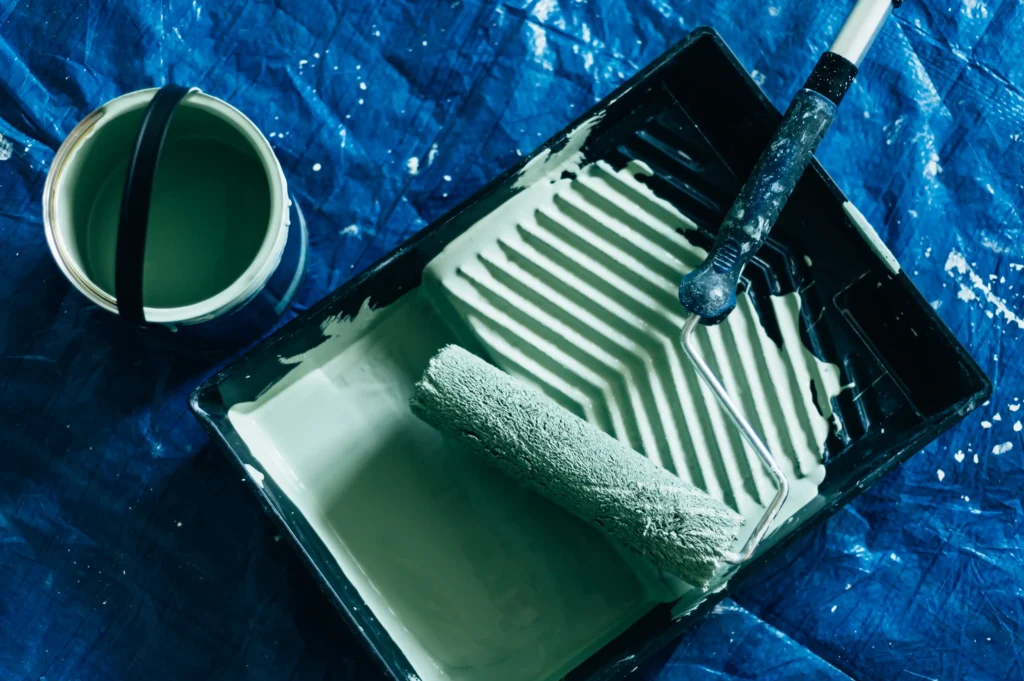
Sun exposure causes gradual color fading over time. Paints formulated with advanced UV blockers maintain vibrancy longer. Dark colors absorb more heat and may show fading sooner in high-sun areas. Lighter shades often maintain consistency longer. When homeowners consider what exterior paint is best for sunny environments, fade resistance becomes a critical factor.
Mildew and Moisture Protection
Homes in humid or shaded areas face higher risk of mildew growth. Many premium exterior paints include antimicrobial additives to help resist mold formation. Proper drainage and ventilation also contribute to surface protection. Selecting moisture-resistant paint improves durability and reduces maintenance needs.
Independent Product Testing and Reviews
Homeowners often consult independent resources when deciding what exterior paint is best. Organizations such as Consumer Reports evaluate paints for coverage, fade resistance, and long-term durability. Reviewing independent testing provides additional insight beyond brand marketing claims and helps homeowners make informed decisions.
Cost Versus Long-Term Value
Exterior paint typically costs between $30 and $80 per gallon depending on brand and quality. Premium paints may cost more initially but often require fewer coats and last longer. Lower-priced options may need additional coats or earlier repainting. Considering total lifespan rather than initial price helps homeowners determine overall value.
Application Timing and Conditions
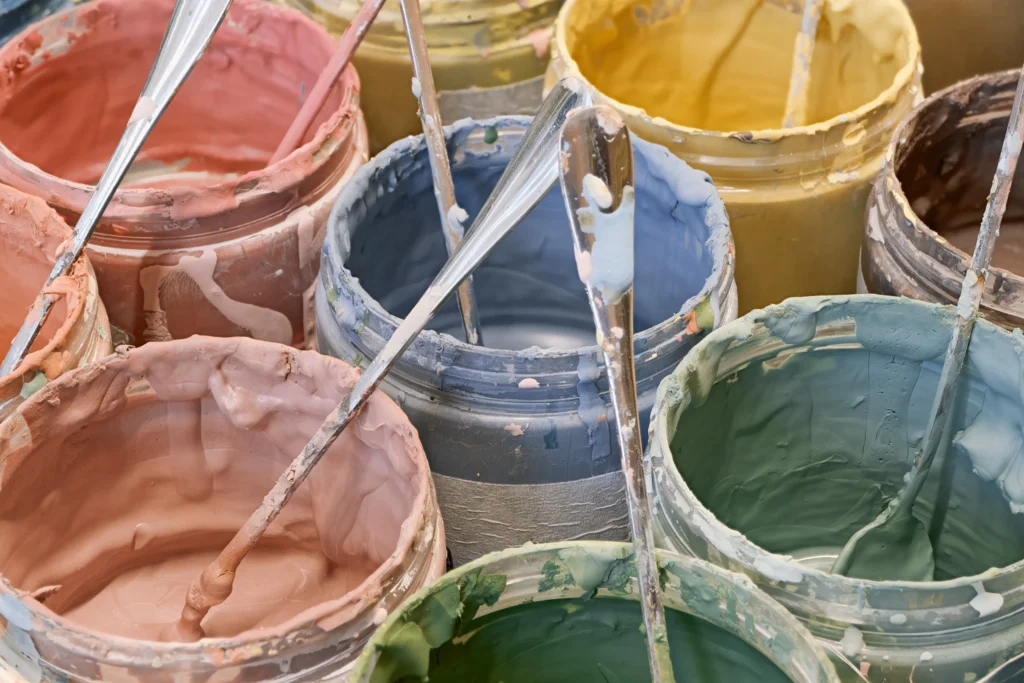
Applying paint within recommended temperature ranges ensures proper curing and adhesion. Most exterior paints perform best in moderate weather conditions. Painting during extreme heat or cold may compromise bonding. Using high-quality brushes, rollers, or professional spray equipment ensures even coverage and consistent thickness.
When Professional Application Makes Sense
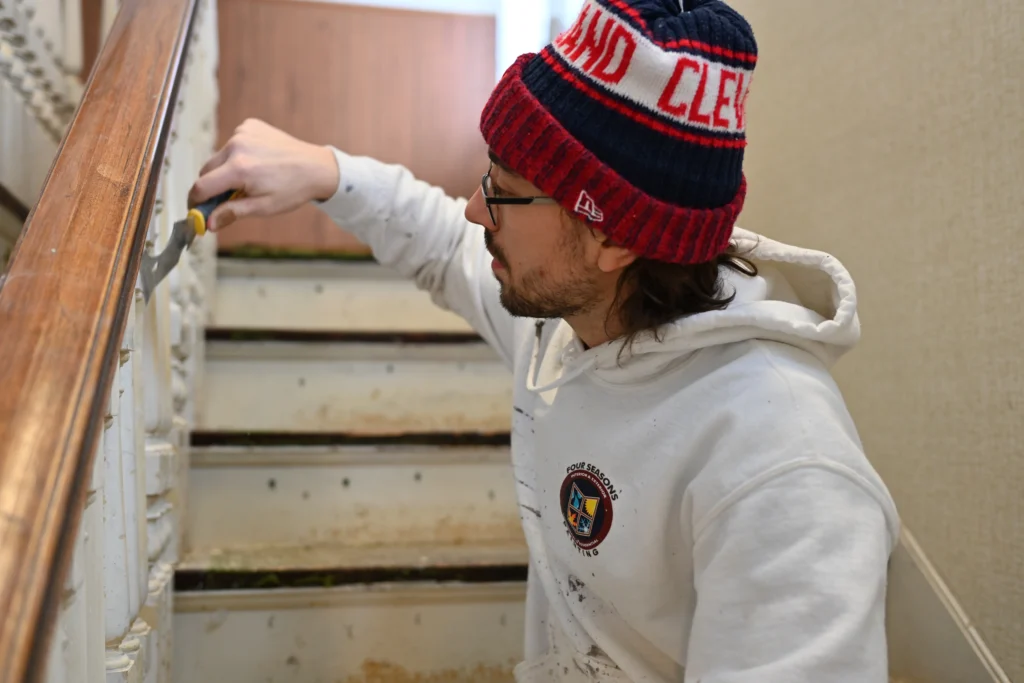
Exterior painting involves ladders, repairs, preparation, and careful application. Professionals evaluate siding condition, recommend suitable products, and apply coatings evenly. Proper surface preparation and experienced technique significantly increase durability. For many homeowners, hiring professionals ensures peace of mind and long-lasting protection.
Conclusion
So what exterior paint is best for your home? In most residential situations, high-quality acrylic latex paint offers the best combination of flexibility, weather resistance, and color retention. The ideal choice depends on climate, siding material, finish preference, and preparation quality. Investing in premium materials and proper application protects your home and maintains curb appeal for years. For homeowners in Lake County, Ohio seeking dependable exterior painting services, Four Seasons Painting Co. provides expert preparation and professional application designed for long-term performance.