Vinyl cladding can remain attractive for years, but sunlight, weather, and age may eventually leave the original color looking faded or outdated. Replacing otherwise sound cladding can be expensive, so painting may seem like a practical way to refresh the exterior.
So, can you paint vinyl cladding? In many cases, yes, provided the material is in good condition and the manufacturer allows painting. The surface must be cleaned thoroughly, the coating must be suitable for vinyl, and the new color must not create excessive heat buildup. Good preparation and product selection are essential because mistakes can lead to peeling, poor adhesion, or warped panels.
Inspect The Vinyl Cladding Before Painting
Start by checking the condition of the cladding across the entire exterior. Look for cracked panels, warping, loose sections, impact damage, gaps, and areas that no longer sit correctly. Paint can improve appearance, but it cannot repair physical problems in the material underneath.
Also check around windows, doors, rooflines, gutters, and other openings for signs of moisture. Water problems should be corrected before any coating is applied. When considering can you paint vinyl cladding, identify the manufacturer if possible and review its warranty requirements. Some vinyl products are designed to remain virtually maintenance-free and may not require painting at all. CertainTeed, for example, offers a wide range of vinyl siding products in factory-finished colors and styles. Checking the original product information first can help determine whether painting is appropriate for your particular cladding.
Clean The Cladding Thoroughly Before Painting
Paint needs a clean and stable surface to adhere properly. Vinyl cladding can collect pollen, dust, mildew, algae, cobwebs, and chalky residue over time. Painting directly over this buildup can result in poor adhesion and an uneven finish.
Use an appropriate exterior cleaner and a gentle washing method. Heavy contamination may require more thorough preparation, and professional pressure washing services can help prepare larger exterior areas. However, pressure should remain controlled because forcing water behind vinyl panels can create moisture problems. Rinse away all cleaning products and allow the surface to dry before painting. When homeowners ask can you paint vinyl cladding successfully, cleaning is one of the most important steps. A coating may look good initially on a dirty surface but begin peeling much sooner because it never bonded correctly to the cladding underneath.
Choose Paint Specifically Suitable For Vinyl
Not every exterior coating is suitable for vinyl cladding. Choose a high-quality exterior paint that its manufacturer specifically approves for vinyl surfaces. Acrylic-based exterior paints are commonly used because they can provide flexibility and adhesion as the material expands and contracts.
Read the technical instructions before purchasing the paint. The manufacturer may specify acceptable temperatures, application methods, primer requirements, drying times, and approved colors. Professional exterior painting services should also match coatings to the exact exterior material rather than assuming every surface needs the same product. When deciding can you paint vinyl cladding, coating compatibility matters more than simply choosing a premium exterior paint. An excellent product used on the wrong material can still fail. Selecting a coating designed for vinyl gives the finished surface a much better chance of maintaining good adhesion and appearance.
Be Careful When Choosing A Darker Color
Vinyl expands and contracts as outdoor temperatures change. Dark paint absorbs more solar heat than lighter shades, which can raise the surface temperature considerably. If the new coating makes the panels hotter than they were designed to tolerate, the vinyl may distort or warp.
This is why changing light-colored cladding to a much darker shade requires caution. Some paint manufacturers provide vinyl-safe color selections designed to limit excessive heat absorption. When homeowners ask can you paint vinyl cladding a darker color, the safest answer is to follow both the cladding manufacturer’s guidance and the paint manufacturer’s approved color range. Do not choose a dark shade based only on appearance. A color that performs perfectly on masonry or wood may not be suitable for vinyl. Heat management is just as important as adhesion when planning a long-lasting painted finish.
Determine Whether You Need Primer
Vinyl cladding does not always require a separate primer. If the panels are clean, sound, and being coated with a paint designed for direct application to vinyl, the manufacturer may allow the finish coat to go directly onto the surface. Always follow the instructions for the selected paint.
Primer may still be useful on heavily weathered areas, stains, repairs, or surfaces where adhesion is uncertain. However, the primer must also be compatible with both the vinyl and the finish coat. Applying an unnecessary or unsuitable primer can create another layer that may eventually fail. When considering can you paint vinyl cladding, think of primer as part of a complete coating system rather than an automatic step. Cleaning and repairs still need to happen first. Primer cannot compensate for mildew, dirt, loose material, or moisture problems underneath the coating.
Paint Vinyl Cladding In Suitable Weather
Weather conditions strongly influence exterior paint performance. Avoid painting when surfaces are extremely hot, when rain is expected, or when the temperature falls outside the coating manufacturer’s recommended range. High humidity may slow drying, while strong wind can carry debris onto the wet finish.
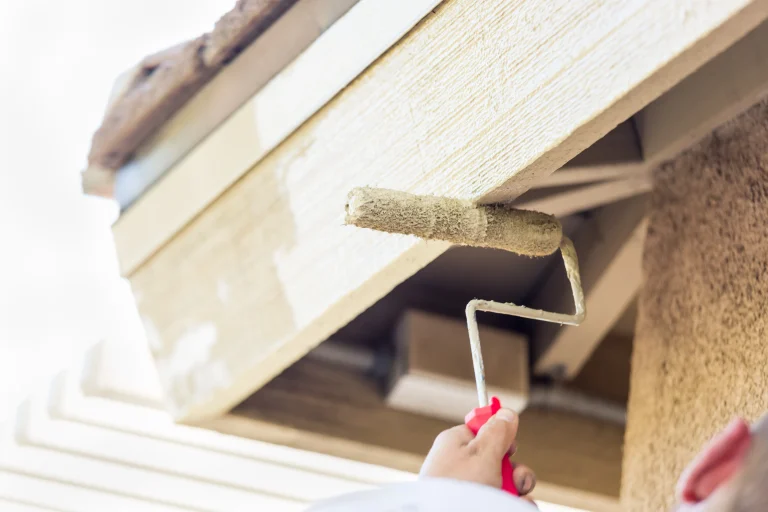
Work in manageable sections and maintain consistent coverage. Brushes, rollers, or spray equipment may be appropriate depending on the profile and coating system. Avoid applying excessive paint around seams or panel overlaps. Vinyl cladding is designed to move as temperatures change, so paint should not glue separate sections together. Understanding can you paint vinyl cladding successfully means respecting this movement during application. Allow each coat to dry for the full recommended period before applying another layer. Rushing the process can affect adhesion, appearance, and durability.
Apply A Second Coat When Needed
A second coat can improve color consistency and help create a more uniform protective film. This becomes especially useful when changing the color significantly or when the original finish shows through slightly after the first application.
Allow the first coat to dry according to the manufacturer’s recoat time. Then inspect the cladding carefully in good daylight. Look around seams, corners, trim, utility penetrations, and textured areas for thin coverage. Apply the next coat evenly and avoid heavy buildup. When deciding can you paint vinyl cladding effectively, remember that two controlled coats usually perform better than one excessively thick layer. The goal is consistent coverage rather than simply adding as much paint as possible. Temperature, humidity, airflow, and direct sunlight can all affect drying time, so actual conditions should guide the schedule as well as the clock.
Maintain Painted Vinyl Cladding Over Time
Painted vinyl cladding requires more finish maintenance than factory-colored vinyl. Inspect it periodically for dirt, mildew, peeling, fading, or exposed areas where panel movement has revealed the original color. Gentle cleaning can help maintain the appearance and reduce buildup.
So, can you paint vinyl cladding instead of replacing it? Yes, when the cladding remains structurally sound, painting is permitted, and suitable coatings and colors are used. Damaged or severely warped panels should be repaired or replaced rather than hidden beneath paint. For homeowners who want professional exterior preparation and application, Four Seasons Painting Co serves Lake County, Ohio. Proper surface preparation, compatible paint, and careful application can give sound vinyl cladding a refreshed appearance without compromising how the material performs.