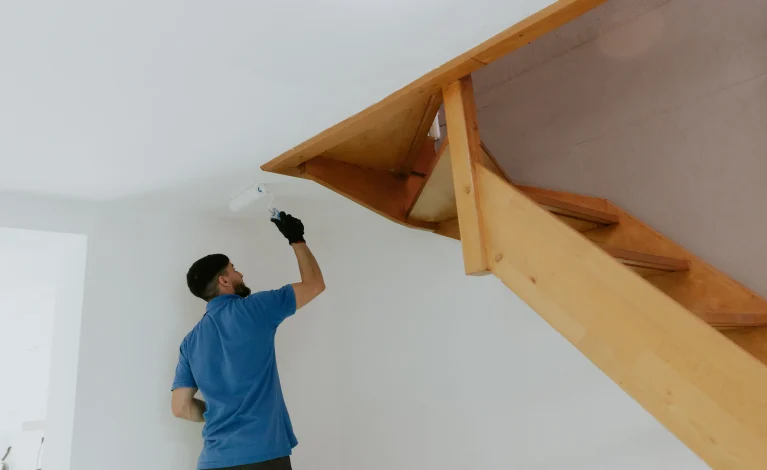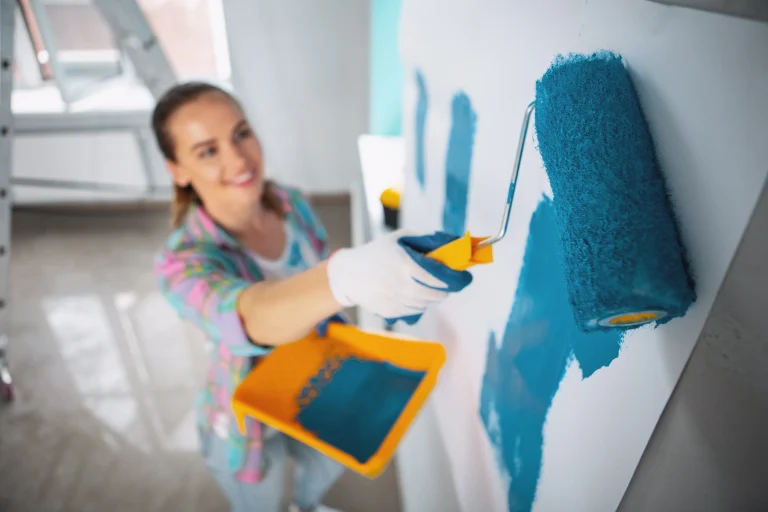
Repainting a room can refresh the entire space without changing furniture, flooring, or major fixtures. A new color can make an older room feel cleaner, brighter, warmer, or more modern. However, repainting still requires careful preparation if you want the new finish to look smooth and last well.
Learning how to repaint a room means doing more than covering the old color with a new one. You need to inspect the existing paint, repair damage, clean the walls, decide whether primer is necessary, and apply the new coating evenly. Following the right order helps prevent peeling, visible patches, roller marks, and inconsistent color.
Inspect The Existing Paint Before Repainting
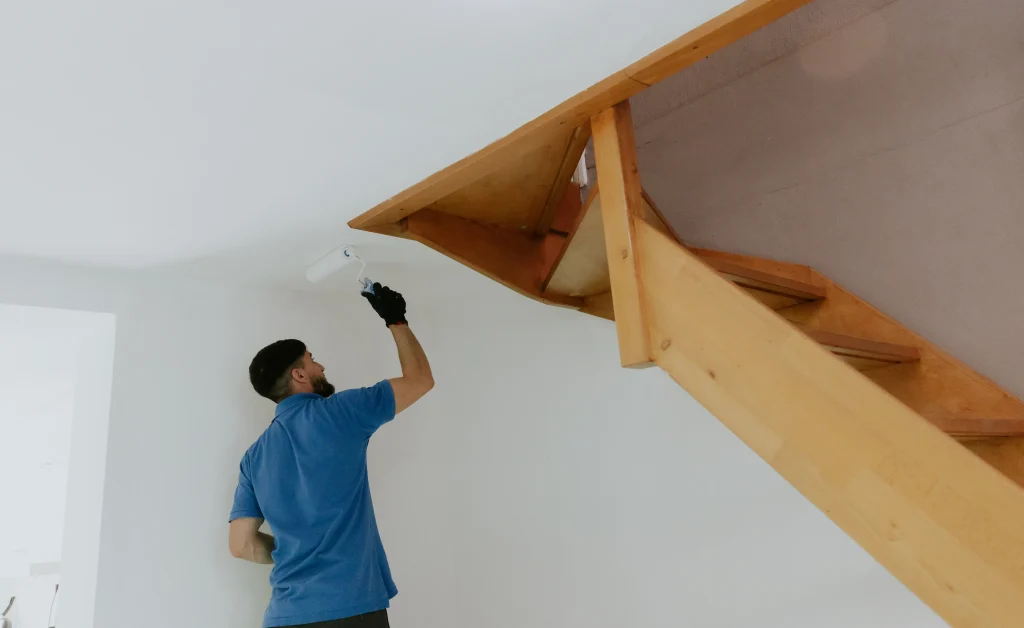
Start by checking the current wall finish for peeling, bubbling, cracking, stains, rough areas, and previous repairs. Old paint that remains firmly bonded can usually serve as a suitable base after cleaning and light preparation. Loose or damaged coatings should be corrected before new paint is applied.
Pay attention to corners, around windows, near doors, and areas behind furniture because these locations often reveal hidden damage. If the existing paint has a glossy finish, light sanding may help the new coating bond more effectively. This inspection is one of the most important steps in how to repaint a room because fresh paint cannot correct unstable material underneath it. Repainting over loose paint may look acceptable at first, but the new layer can peel when the old coating begins to fail. A few minutes spent checking the walls can prevent much larger problems later.
Clear And Protect The Room Properly
Remove smaller furniture, wall decorations, lamps, curtains, and anything else that can be moved easily. Push larger furniture toward the center if necessary and cover it completely. Protect the flooring with canvas drop cloths or another suitable covering before opening any paint.
Remove switch plates and outlet covers when practical, then use painter’s tape around trim, windows, doors, and other edges that should remain unpainted. Good protection makes how to repaint a room easier because you can work without constantly worrying about accidental splashes or drips. Paint can reach floors, furniture, and trim even when you are being careful. Preparing the space in advance also gives you better access to walls and corners. A clear work area helps the project move more efficiently and reduces the amount of cleanup required once the final coat has dried.
Repair And Clean The Walls Before Painting
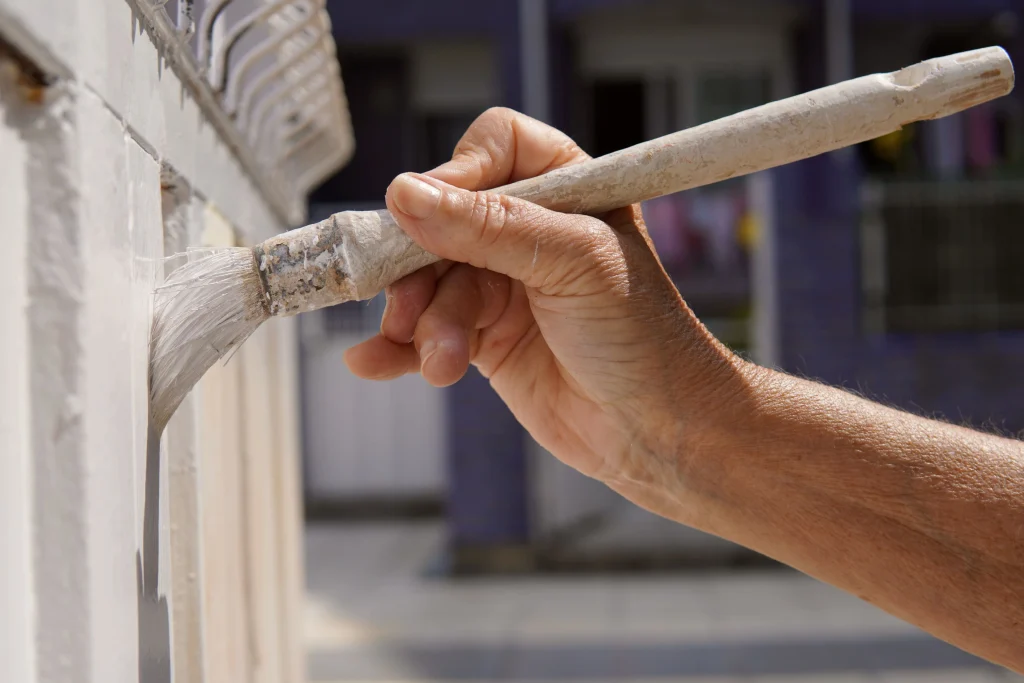
Fill nail holes, dents, cracks, and other minor wall damage with an appropriate patching compound. Allow repairs to dry fully, then sand them until they blend with the surrounding surface. Remove sanding dust before applying primer or paint.
Walls should also be cleaned where dirt, fingerprints, grease, or dust have accumulated. Kitchens, hallways, and children’s rooms often need more cleaning than low-traffic spaces. Homeowners planning several rooms can use professional interior painting services when larger areas need preparation and repainting. One of the key parts of how to repaint a room is giving the new paint a clean and stable surface. Painting over dust or greasy residue can affect adhesion and make the finish look uneven. Proper repairs also help prevent old defects from showing through the new color.
Decide Whether Primer Is Necessary
Not every repainting project needs a full primer coat. If the existing paint is in good condition and the new color is similar, you may be able to apply finish paint directly after cleaning and preparation. Primer becomes more useful when covering stains, repaired areas, bare drywall, or a major color change.
Older homes may also require extra care before disturbing existing coatings. The U.S. Environmental Protection Agency provides official guidance for lead-safe renovation and painting work in pre-1978 properties. When deciding how to repaint a room in an older home, check whether sanding or scraping could disturb lead-based paint before starting. Primer should be viewed as part of the coating system rather than an automatic step. Use it when the surface or color transition actually requires it, and allow the recommended drying time before applying finish paint.
Choose The Right Paint And Finish
Select paint based on the room’s use and the amount of cleaning the walls will need. Flat and matte finishes can help hide minor imperfections, while eggshell and satin finishes generally provide more washability. Kitchens, bathrooms, and busy hallways may benefit from a more durable coating.
Color also affects how difficult the repainting process will be. Changing from a dark shade to a much lighter one may require primer and multiple finish coats. Moving between similar colors can be easier. When learning how to repaint a room, choose a coating that suits the actual space rather than selecting solely by price or appearance. Consider sheen, durability, washability, and compatibility with the existing finish. Buying the right product from the beginning can reduce extra coats and help the new surface look more consistent after drying.
Cut In Before Rolling The Main Walls
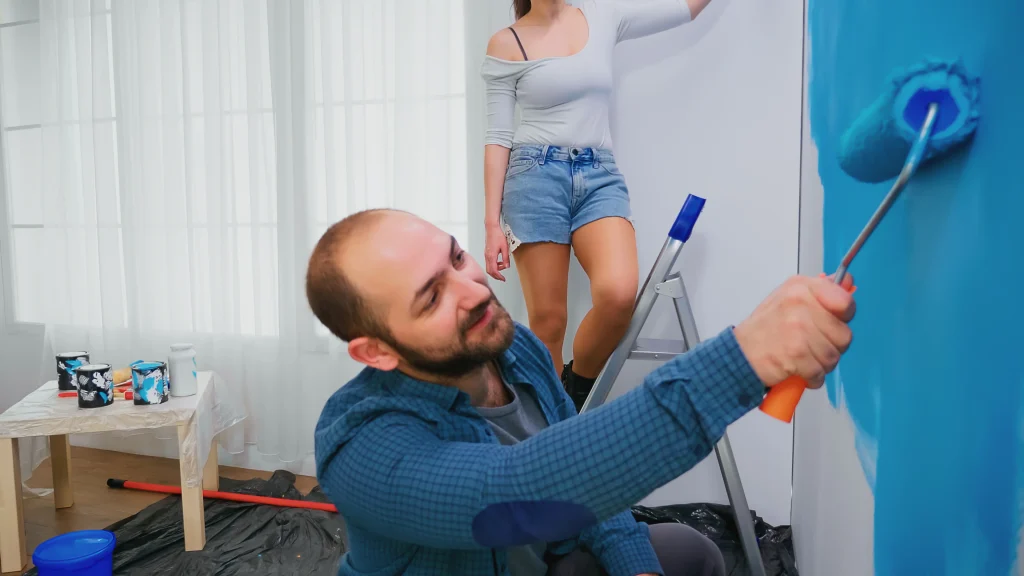
Use an angled brush to paint around ceilings, corners, baseboards, windows, doors, and other edges that a roller cannot reach cleanly. This process is called cutting in. Apply a controlled band of paint that the roller can overlap slightly without touching nearby surfaces.
Work on one wall or manageable section at a time so the brushed edges remain relatively fresh when rolling begins. This helps the brush and roller textures blend more evenly. Avoid leaving thick ridges around the perimeter because they may remain visible after drying. A smooth transition between edges and larger wall areas is an important part of how to repaint a room successfully. Keep enough paint on the brush for full coverage, but avoid overloading it. Check corners and trim edges for drips while the paint is still wet so small problems can be corrected immediately.
Roll The Walls And Apply A Second Coat
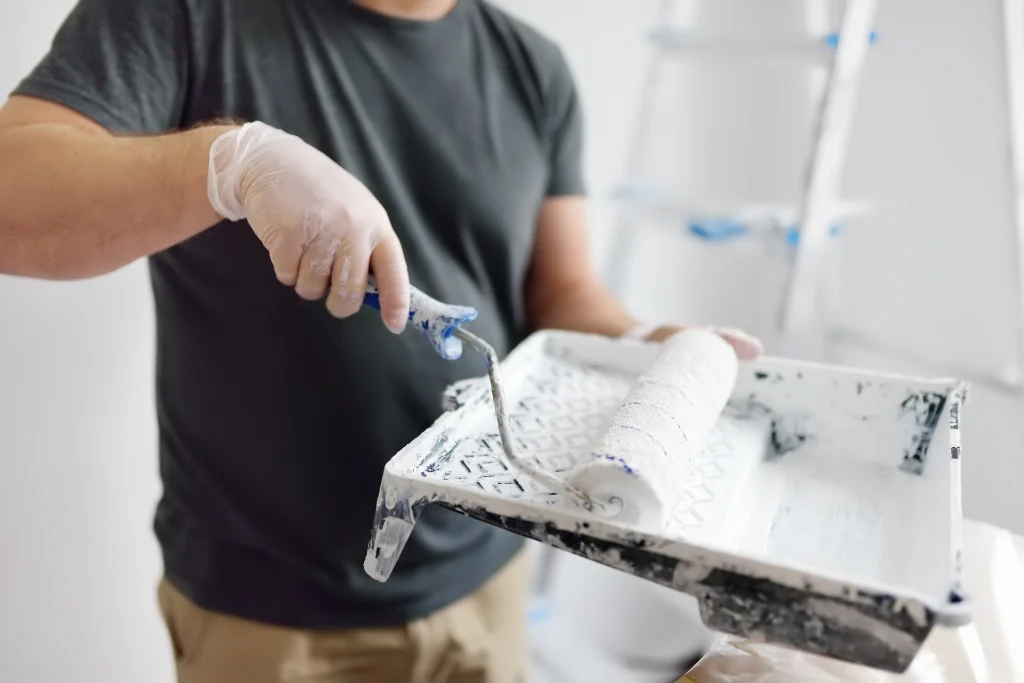
Load the roller evenly and remove excess paint using the tray or screen before applying it to the wall. Work in manageable sections and maintain a wet edge by overlapping each new area slightly with the previous one. Use steady pressure instead of pressing hard on the roller.
Allow the first coat to dry for the full recoat period listed by the manufacturer. Before applying the second coat, inspect the walls for thin spots, drips, rough areas, or debris. Correct minor imperfections before continuing. Most repainting projects benefit from a second coat because it improves color consistency and coverage. Patience is essential when learning how to repaint a room because applying another coat too soon can disturb the first layer and create texture problems. Consistent technique and proper drying usually produce a smoother result than trying to finish the project as quickly as possible.
Inspect The Room And Finish The Cleanup
After the final coat has dried, inspect the walls in both natural and artificial light. Look for missed areas, roller marks, uneven sheen, drips, or thin coverage. Small touch-ups are easier to handle while the paint and tools are still available.
Remove painter’s tape carefully, then reinstall switch plates, outlet covers, curtains, and other room items after the coating has dried sufficiently. Clean brushes, rollers, trays, and reusable equipment according to the paint manufacturer’s instructions. Learning how to repaint a room comes down to proper preparation, consistent application, and enough drying time between coats. Four Seasons Painting Co serves Lake County, Ohio, with professional interior painting focused on clean preparation, smooth application, and consistent results throughout bedrooms, living rooms, hallways, and other interior spaces.