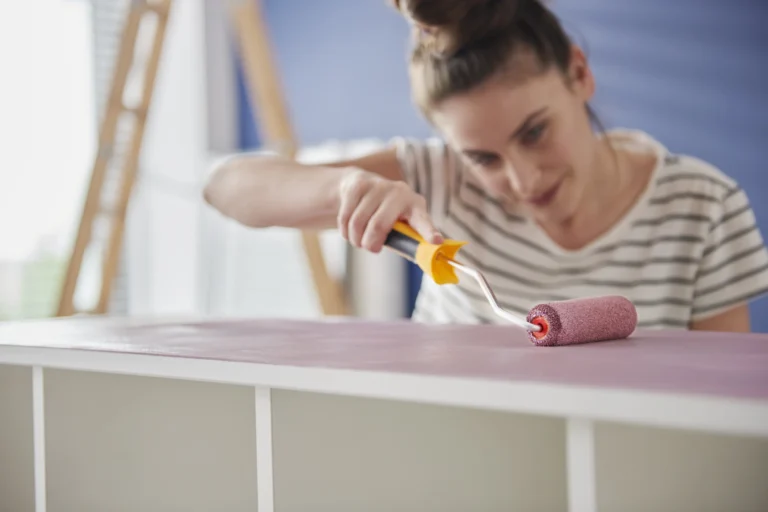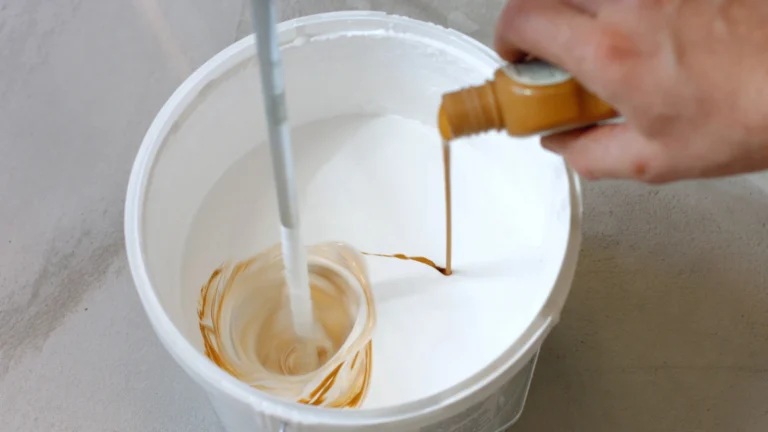
Learning how to paint walls with a brush is one of the most valuable skills for achieving a professional, smooth finish. Whether you’re painting a single room or an entire home, brushing gives you control and precision that rollers alone cannot provide. With the right tools, preparation, and steady technique, you can achieve crisp edges and consistent coverage that last for years.
Why Brushing Matters in Wall Painting
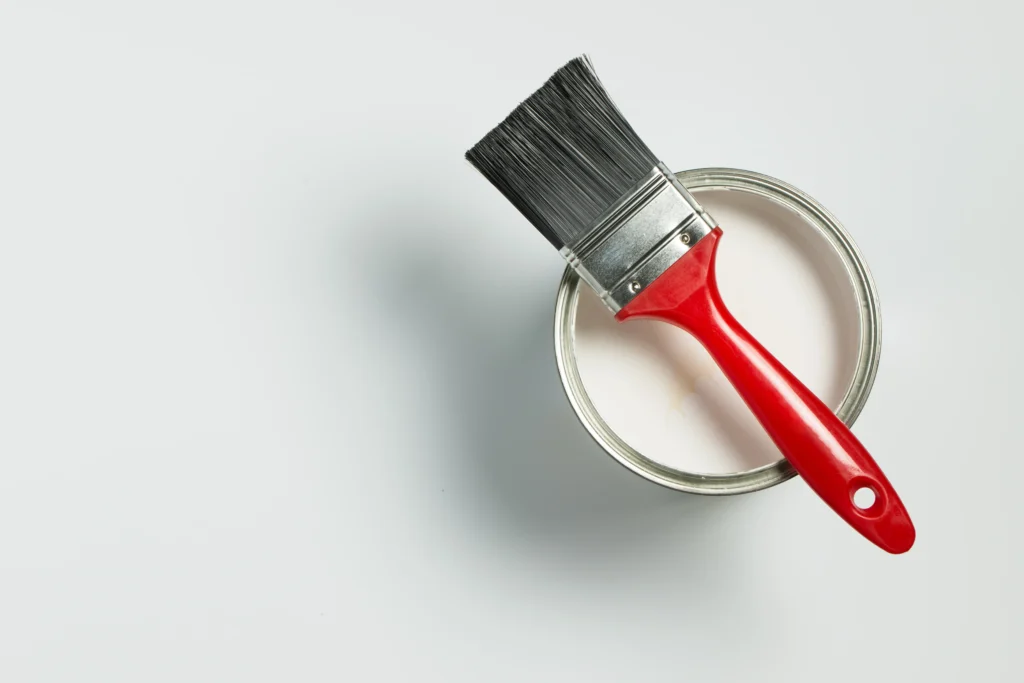
When people picture painting, they often think of rollers covering large areas quickly. While rollers are excellent for broad walls, brushes are essential for detail and precision. Knowing how to paint walls with a brush allows you to work around trim, corners, and ceilings with accuracy. This technique ensures sharp transitions between surfaces without the need for extensive taping. Professional painters rely on brushes even when rollers are used for the main surface. The brush lays the groundwork by cutting edges, blending seams, and providing coverage in tight spots. When combined with careful rolling, brushwork gives walls a refined and durable finish that elevates a room’s overall appearance.
Choosing the Right Brush for Wall Painting
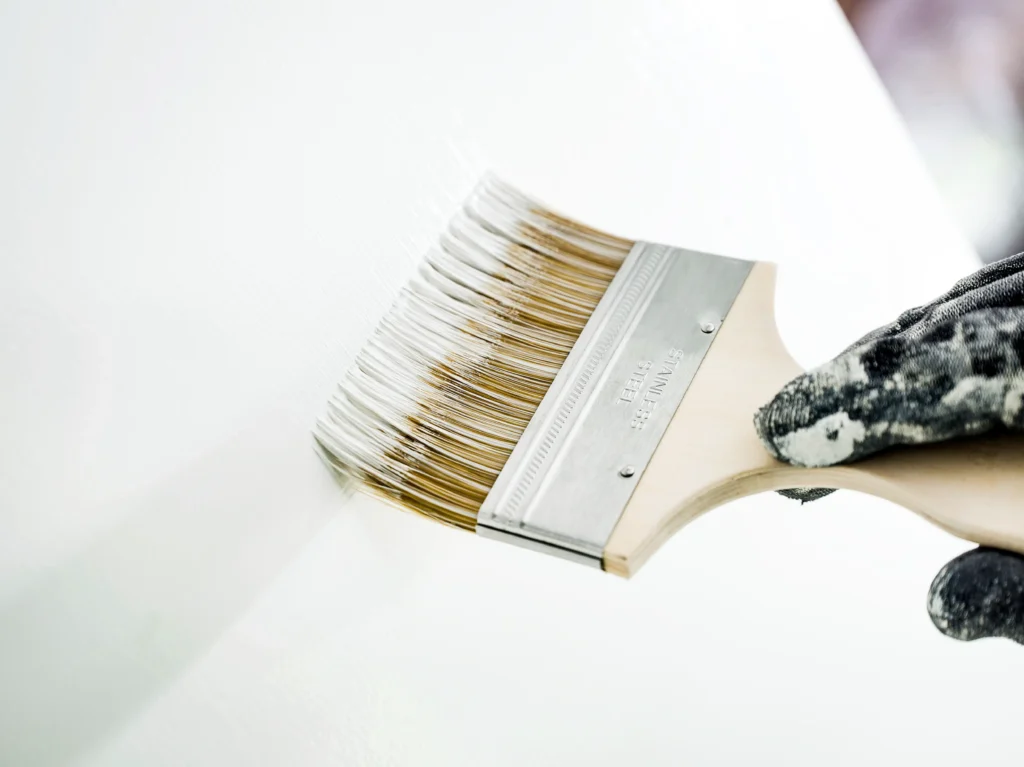
Before you begin learning how to paint walls with a brush, choosing the correct brush type is essential. The brush’s shape and bristle material both affect the final result. Angled sash brushes make it easier to paint corners and ceilings cleanly, while flat brushes are better for covering wider wall sections. A high-quality brush reduces streaking and delivers smoother coverage. For latex or water-based paints, synthetic bristles hold their shape and resist swelling. Natural bristles are better suited for oil-based paints. To better understand brush construction and materials, you can review Wikipedia’s article on paintbrush types, which explains how design influences precision and paint flow.
Preparing the Wall and Work Area
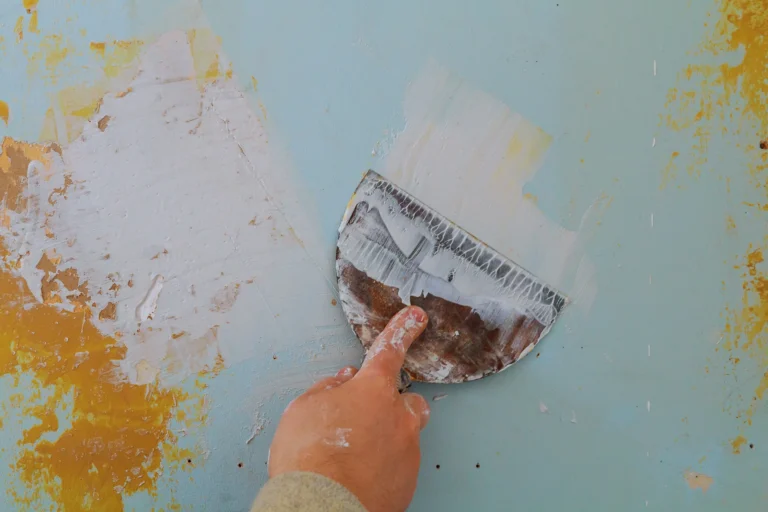
Preparation is one of the most overlooked steps when learning how to paint walls with a brush. Start by washing the walls with mild soap and water to remove dirt and residue. Repair cracks or holes with patching compound and sand the area until smooth. Dust or debris can prevent paint from adhering evenly, so wipe surfaces thoroughly before painting. Move or cover furniture and protect floors with drop cloths. Adequate lighting helps identify imperfections and ensures consistent color. Skilled painters at Four Seasons Painting Co always prepare surfaces carefully before applying paint, ensuring that every wall receives even coverage and long-lasting durability.
Loading the Brush Properly
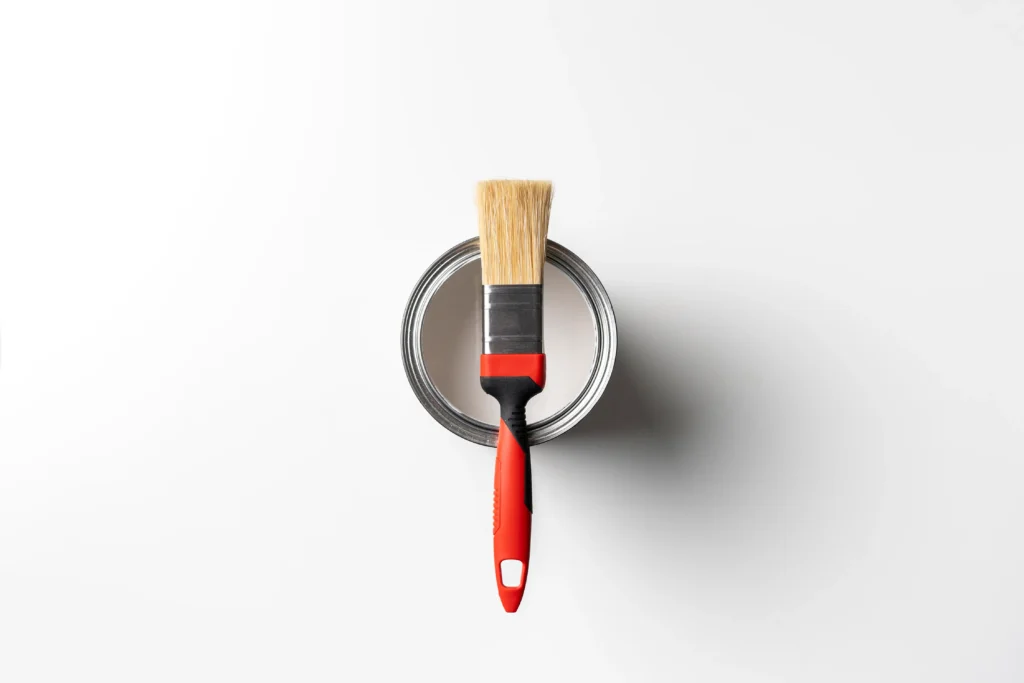
When learning how to paint walls with a brush, proper paint loading is key to achieving a professional look. Dip the brush only about one-third of the bristle length into the paint. Tap both sides gently against the can to remove excess without scraping the rim. Overloading the brush leads to drips and uneven coats, while underloading results in streaks and poor coverage. Paint consistency also matters. Most modern paints are self-leveling, meaning they smooth out as they dry. Use steady strokes and moderate pressure to create a uniform film that blends seamlessly between sections.
Applying Paint with Even Strokes
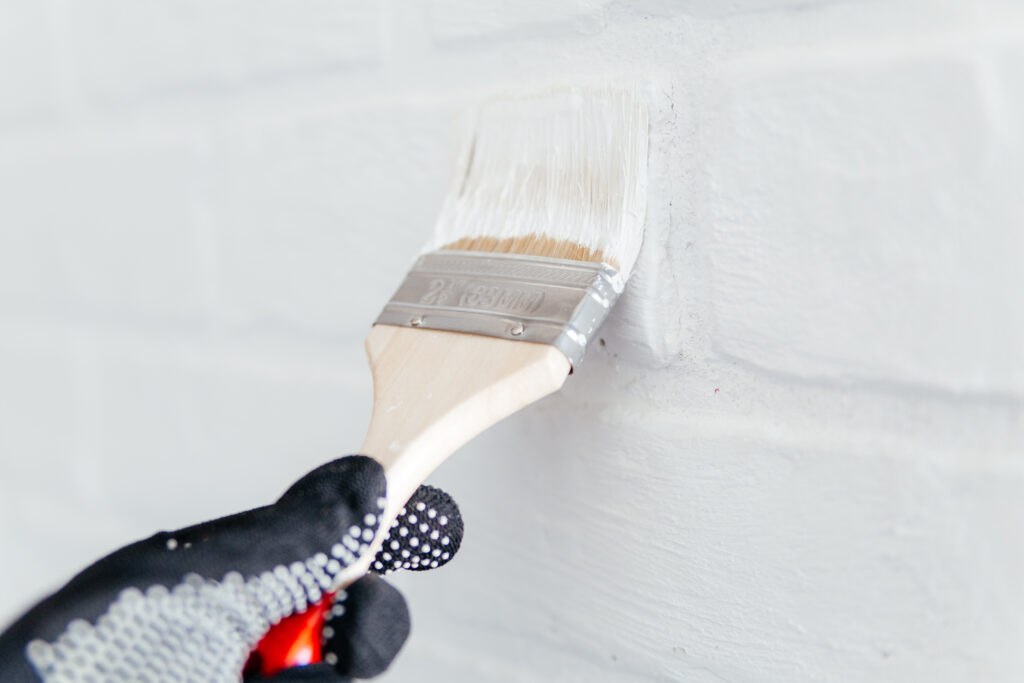
Apply paint using long, controlled strokes that follow the wall’s natural texture. Always start your stroke a few inches from the edge, then work toward it to prevent buildup in corners. Overlap each stroke slightly to maintain a wet edge, which prevents visible seams. This steady rhythm is one of the most important habits when mastering how to paint walls with a brush. Many professionals alternate vertical and horizontal passes on separate coats to ensure full coverage. This cross-stroke method fills small gaps and produces a consistent surface. For a deeper understanding of how paint behaves as it dries, you can visit Forbes’ guide on paint drying times.
Cutting In Corners and Trim
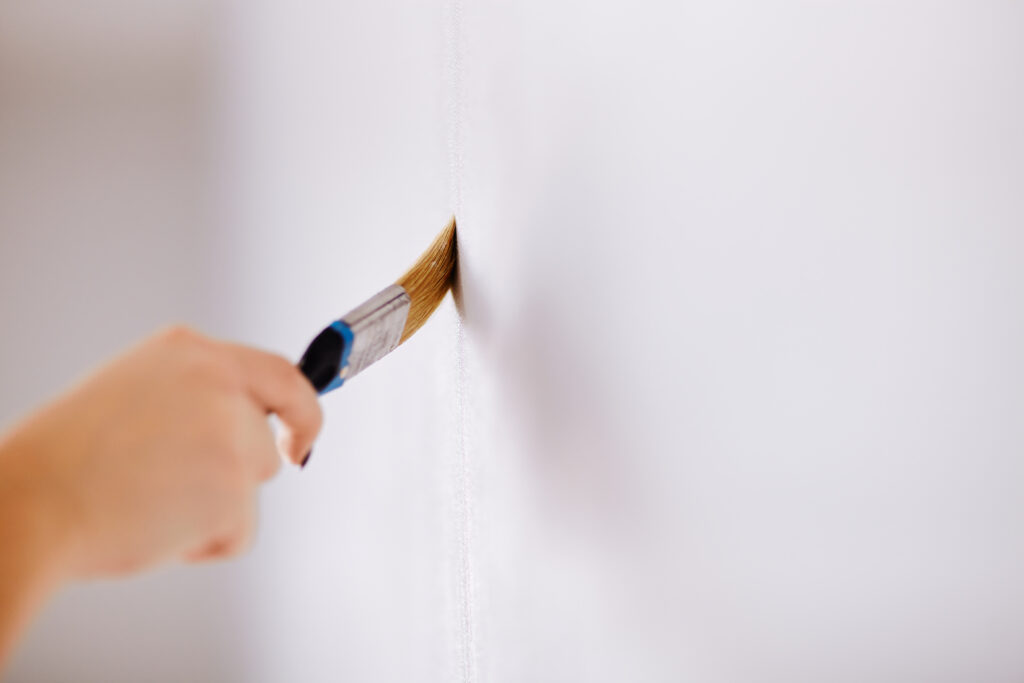
Cutting in means painting clean edges where walls meet ceilings, trim, or adjacent colors. Hold the brush like a pencil and use the angled edge to trace steady lines. The goal is to create a smooth transition without overlapping onto other surfaces. Working slowly and maintaining light pressure helps achieve precision. If needed, follow with a roller immediately after cutting in to blend textures. Professionals often start at the top of a wall and work downward, keeping paint wet and blending edges as they go. This technique ensures a seamless finish between brush and roller applications.

Preventing Brush Marks and Streaks
Brush marks can occur if the paint starts to dry before blending. To avoid this, work in smaller sections and overlap strokes while the paint is still wet. Avoid pressing too hard or brushing over partially dried areas. Using quality brushes also helps because they distribute paint more evenly and hold their shape longer. Humidity and temperature can influence drying speed. In warmer or drier conditions, painters should keep tools clean and maintain a steady pace. Lightly sanding between coats with fine-grit paper smooths out imperfections and creates a more polished finish.
The Role of Primer in Brushed Painting
Primer helps achieve even coverage and long-lasting adhesion. When learning how to paint walls with a brush, always apply primer on new drywall or when covering dark colors. Primer seals porous surfaces and reduces the number of topcoats needed. Apply it in thin, even layers using the same brushing technique you’ll use for paint. Once dry, sand lightly and clean before applying the color coat. Professional painters often use moisture-resistant or stain-blocking primers for kitchens, bathrooms, and basements. The team at Four Seasons Painting Co uses primers suited to each environment to ensure every wall remains beautiful and protected.
Choosing the Right Paint for Brushing
Some paints are better suited to brushwork than others. Latex paints with smooth viscosity and self-leveling features create an even surface without visible strokes. Finishes like satin and eggshell provide easy maintenance and subtle sheen, making them popular for interior walls. Paints that are too thick can drag, while thin paints may run or splatter. Balance is key when mastering how to paint walls with a brush. For additional reading on paint types, ingredients, and finishes, see Wikipedia’s overview of paint. It offers helpful background on how modern coatings achieve their smooth texture and durability.
Maintaining Brushes and Tools
Cleaning and maintaining brushes properly ensures consistent results for future projects. After finishing, rinse brushes with warm water for latex paints or mineral spirits for oil-based products. Gently comb through bristles to remove residue and reshape them before drying. A clean brush maintains its flexibility and edge, reducing streaks in later projects. Learning how to paint walls with a brush also means caring for your tools. Store brushes in a dry, covered place and never leave them soaking in water or solvent for long periods, as this can damage the handle and loosen bristles.
Safety and Comfort During Painting
Painting can be physically demanding, especially during long sessions. Always use a stable ladder when reaching higher areas, and take frequent breaks to maintain focus. Good ventilation keeps air fresh and helps paint cure properly. Wearing comfortable clothing and gloves can make the process easier while preventing skin irritation. If your project includes high ceilings, staircases, or large spaces, consider professional help to ensure efficiency and safety. Trained painters have the proper tools and experience to complete the job faster and with consistent results.
Conclusion
Understanding how to paint walls with a brush gives you the confidence to create clean, professional results in any room. From preparing surfaces and selecting brushes to applying smooth, even coats, every step contributes to a finish that enhances your home. The process takes patience, but the reward is a flawless surface that adds warmth and personality to your space.
For homeowners in Lake County, Ohio, Four Seasons Painting Co provides complete interior and exterior painting services, including cabinet refinishing and new construction painting. Their skilled team focuses on precision, preparation, and high-quality finishes that last. Visit their contact page to schedule an estimate and see how professional craftsmanship can transform your home.