Homeowners often find themselves needing to remove paint from walls due to peeling layers, outdated colors, surface damage, or preparation for a fresh finish. Knowing how to remove paint on walls correctly is important because improper methods can damage drywall, plaster, or underlying surfaces. Paint removal is not always required for repainting, but in certain situations it becomes the best option for long-term results. Understanding the right approach helps you work efficiently while protecting your walls.
When paint removal is necessary
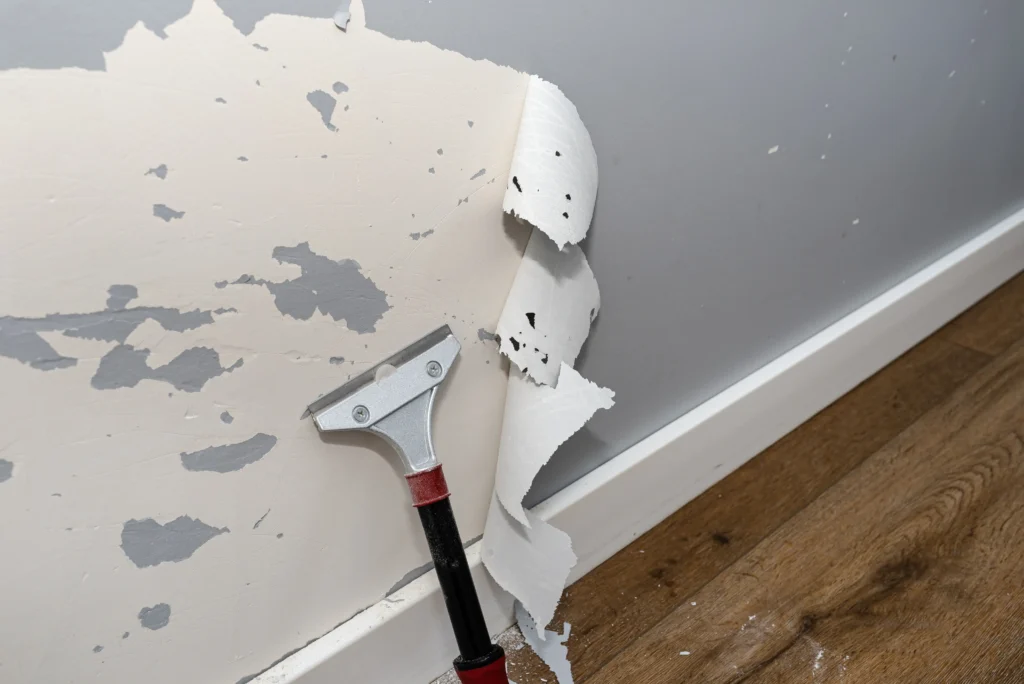
Not every painting project requires stripping old paint. In many cases, light sanding and priming are enough. However, removing paint becomes necessary when layers are thick and uneven, when paint is peeling or bubbling, or when moisture damage is present. Lead-based paint in older homes also requires careful removal following safety guidelines. Knowing how to remove paint on walls starts with identifying whether removal is truly needed or if surface preparation alone will suffice.
Types of wall surfaces and why they matter
Before choosing a removal method, it is important to know what type of wall surface you are working with. Drywall, plaster, masonry, and wood all respond differently to paint removal techniques. Drywall is more delicate and can be easily gouged, while plaster and masonry are more durable but may require stronger methods. Selecting the wrong technique can cause costly damage, which is why professionals always match the method to the surface.
Safety considerations before removing paint
Safety should always come first when learning how to remove paint on walls. Older homes built before 1978 may contain lead-based paint, which requires special handling and protective equipment. Dust masks or respirators, gloves, and eye protection are essential. Proper ventilation helps reduce exposure to fumes or dust, especially when using chemical strippers or sanding. If lead paint is suspected, professional testing and removal are strongly recommended.
Removing paint using scraping and sanding
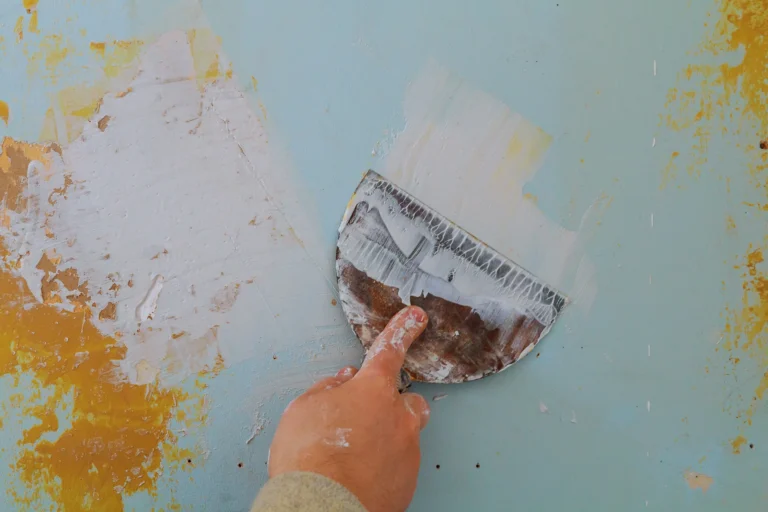
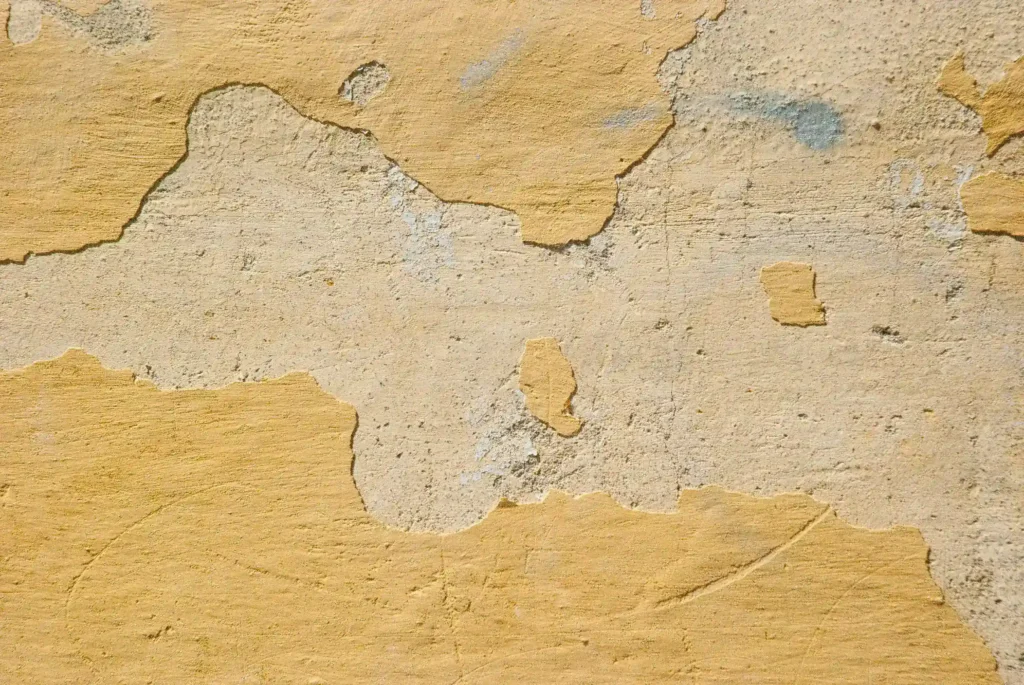
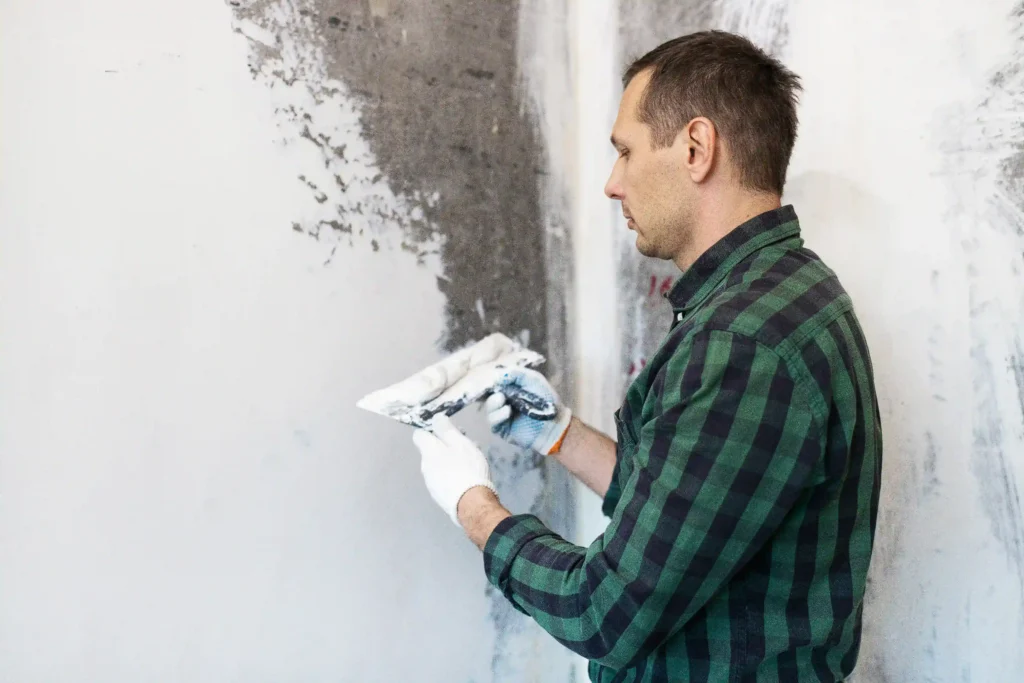
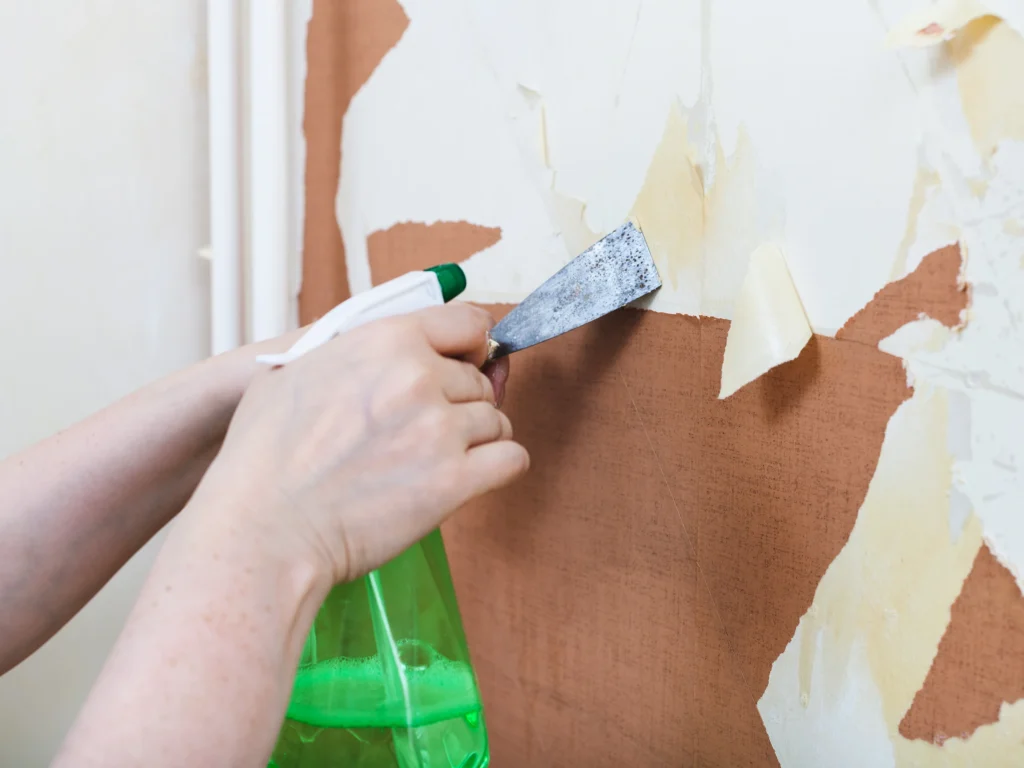
Scraping and sanding are among the most common methods for paint removal. This approach works best for peeling or flaking paint. Use a paint scraper to gently remove loose layers, holding the blade at a shallow angle to avoid gouging the surface. Sanding smooths remaining paint and feather edges where paint meets bare wall. Fine-grit sandpaper works well for light removal, while medium-grit paper is better for thicker layers. For drywall, gentle pressure is key. Excessive sanding can damage the paper surface, requiring additional repairs before repainting.
Using chemical paint strippers
Chemical paint strippers soften paint so it can be scraped away more easily. This method is effective for multiple layers of paint or hard-to-remove finishes. Strippers are applied to the wall and left to sit for a specified time before scraping. Some products work quickly, while others are designed for slower, controlled removal. Ventilation is critical when using chemical strippers. Always follow manufacturer instructions and wear protective gear. Products like KILZ Original are often referenced in repainting projects after stripping because they seal surfaces once removal is complete.
Heat-based paint removal
Heat guns or infrared paint removers use heat to loosen paint from walls. This method is often used on wood surfaces but can be applied carefully on plaster. Heat softens the paint, allowing it to be scraped away with minimal dust. However, heat should be used cautiously on drywall, as it can cause blistering or paper damage. Heat-based removal also carries fire risks if used improperly. Keep tools moving and avoid overheating one area. This method is not recommended when lead paint is present unless performed by trained professionals.
Removing paint from drywall without damage
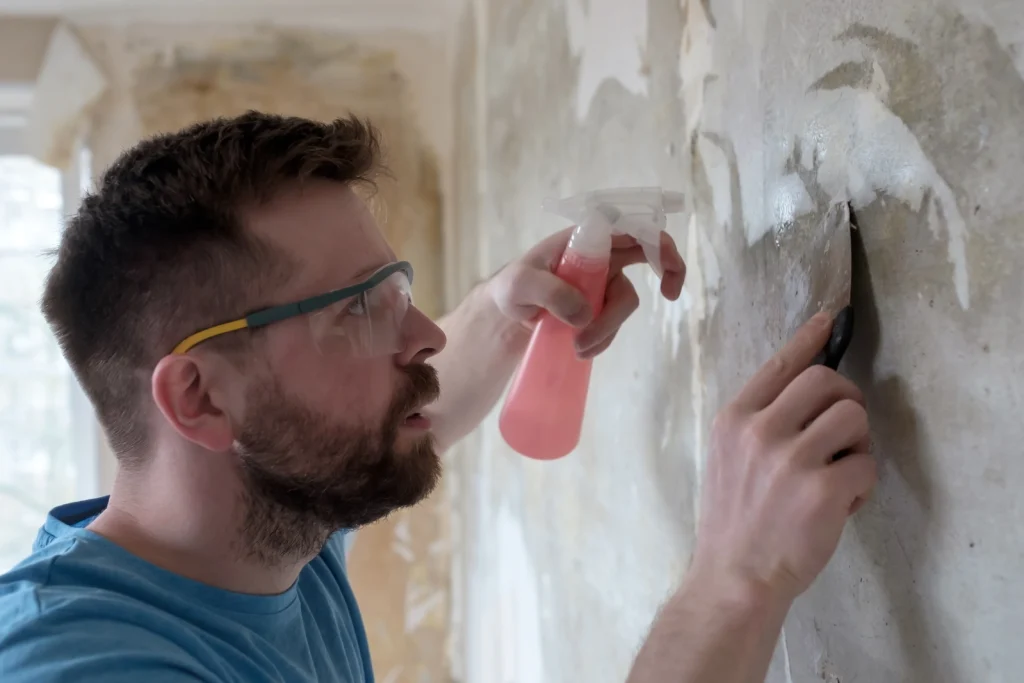
Drywall requires extra care during paint removal. Aggressive scraping or sanding can tear the paper surface, leading to repairs. For drywall, start with gentle scraping of loose paint, followed by light sanding. Chemical strippers labeled safe for drywall may be used sparingly. Once paint is removed, damaged areas should be skim-coated and sanded smooth before repainting. Proper preparation after removal ensures the new paint adheres correctly. You can see how professionals handle drywall preparation on the Interior Painting page, where surface repair is a critical part of the process.
Removing paint from plaster walls
Plaster walls are more durable than drywall but can still crack or chip if mishandled. Scraping works well on loose paint, while chemical strippers help remove stubborn layers. Sanding plaster should be done carefully to avoid creating uneven surfaces. After removal, cracks should be repaired and sealed with primer before painting.
Removing paint from masonry walls
Masonry surfaces such as brick or concrete often require stronger methods. Chemical strippers or pressure washing may be used depending on the location and condition of the surface. Interior masonry should be handled gently to avoid moisture intrusion. Once paint is removed, masonry surfaces typically need a masonry-specific primer before repainting.
Cleaning the wall after paint removal
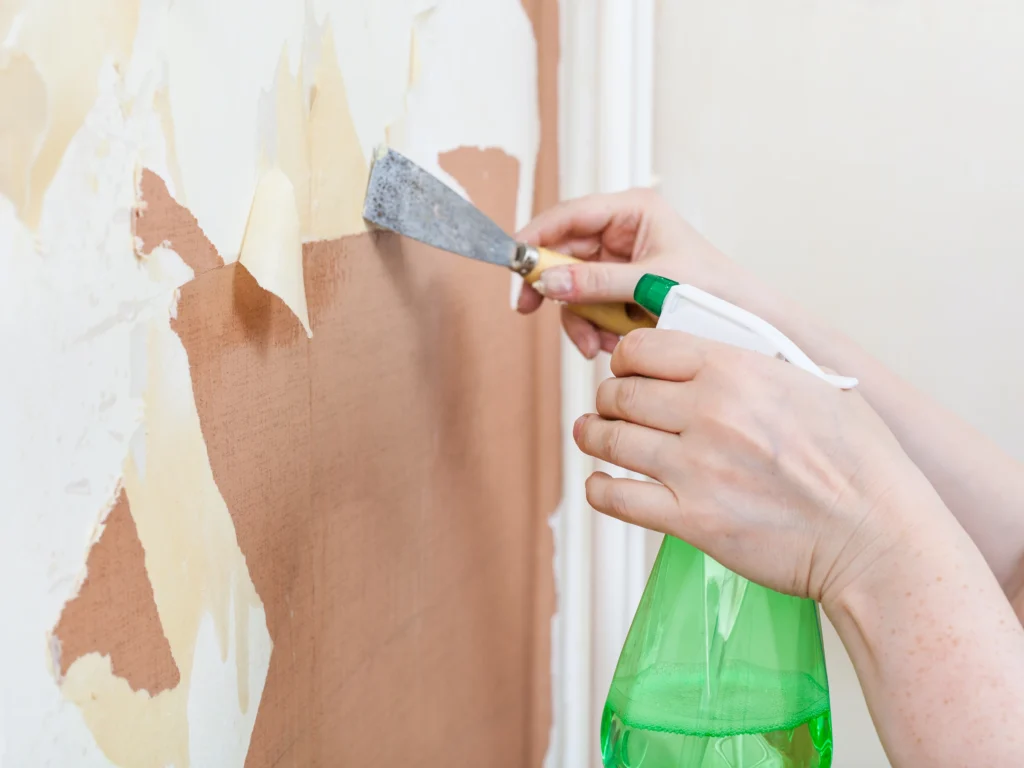
After removing paint, walls should be cleaned thoroughly to remove dust, residue, or chemical remnants. A damp cloth or mild detergent solution works well for most surfaces. Allow the wall to dry completely before applying primer. Skipping this step can lead to adhesion problems with new paint.
Priming after paint removal
Primer is essential after paint removal. It seals exposed surfaces, evens out porosity, and provides a strong base for new paint. Bonding or stain-blocking primers are often used depending on wall condition. Primer also highlights any remaining imperfections that need repair before final painting.
When to hire professionals
Paint removal can be time-consuming and physically demanding. Large areas, multiple paint layers, or older homes with potential lead paint often require professional expertise. Teams like Four Seasons Painting Co. have the tools and experience to remove paint safely while protecting the underlying surfaces. Professional removal also reduces the risk of costly repairs caused by improper techniques.
Common mistakes to avoid
Using excessive force, skipping safety gear, or applying the wrong method for the surface are common mistakes. Rushing the process often leads to damaged walls that require additional work. Another mistake is failing to prime after removal, which can cause new paint to peel prematurely. Taking a careful, methodical approach saves time and produces better results.
Is paint removal always the best option
In some cases, full paint removal may not be necessary. Light sanding and priming can often provide a smooth base for repainting. The decision depends on paint condition, wall material, and long-term goals. Professionals evaluate these factors before recommending removal or alternative preparation methods.
Conclusion
Understanding how to remove paint on walls helps ensure a clean surface and long-lasting results. The right method depends on wall material, paint condition, and safety considerations. Scraping, sanding, chemical strippers, and heat all have their place when used correctly. Proper cleaning and priming after removal are just as important as the removal process itself. For homeowners facing large or complex paint removal projects, professional help can make the process safer and more efficient. Four Seasons Painting Co. provides expert surface preparation and interior painting services designed to deliver smooth, durable finishes that stand the test of time.