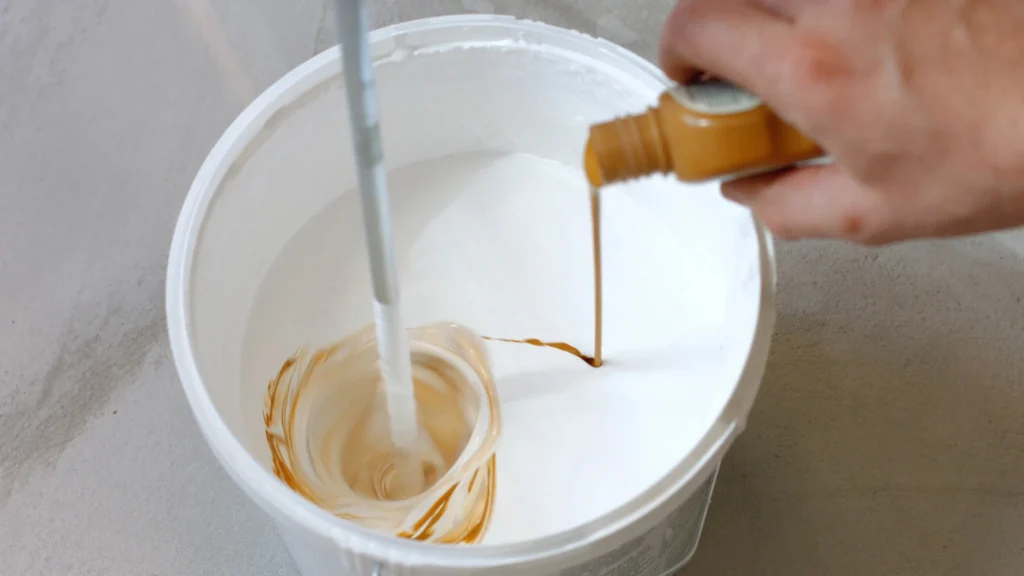
If you are wondering how to make brown paint, the simplest method is to mix the three primary colors: red, blue, and yellow. When these colors are combined in roughly equal amounts, they create a basic brown shade. You can also make brown paint by mixing complementary colors such as orange and blue, red and green, or yellow and purple. The exact shade of brown depends on the proportions of the colors used. Adding more red creates a warmer brown, while adding more blue creates a cooler brown. White can be added to create lighter brown shades, and black can be used carefully to create darker brown tones. Brown is one of the most useful colors in painting because it appears naturally in wood, soil, stone, furniture, and many decorative finishes. Whether you are painting walls, furniture, cabinets, artwork, or crafts, understanding how to make brown paint helps you create custom colors that perfectly match your project.
Understanding Color Theory Before Mixing Brown Paint
To understand how to make brown paint, it helps to first understand the fundamentals of color theory. The color wheel is built around three primary colors: red, blue, and yellow. These colors cannot be created by mixing other colors together, but they can be combined to create nearly every other color used in painting and design. When primary colors are mixed, they create secondary colors. Red and yellow make orange, blue and yellow make green, and red and blue make purple. Brown is considered a tertiary or composite color because it is typically created by combining multiple colors. The exact shade of brown depends on the proportions and types of colors used during the mixing process. Professional painters often rely on color theory when developing custom paint colors for interior walls, cabinetry, furniture, and decorative finishes. Understanding these relationships makes it easier to achieve consistent and predictable results during painting projects.
The Most Common Method for How to Make Brown Paint
The simplest answer to how to make brown paint is by mixing the three primary colors together. When red, blue, and yellow are combined in roughly equal amounts, they neutralize one another and create a medium brown color. Many artists start with small quantities of paint to experiment with the balance of colors. If one color dominates the mixture, the resulting brown may have noticeable undertones. For example, too much red can produce a reddish-brown appearance, while excess blue may create a cooler brown with grayish characteristics.
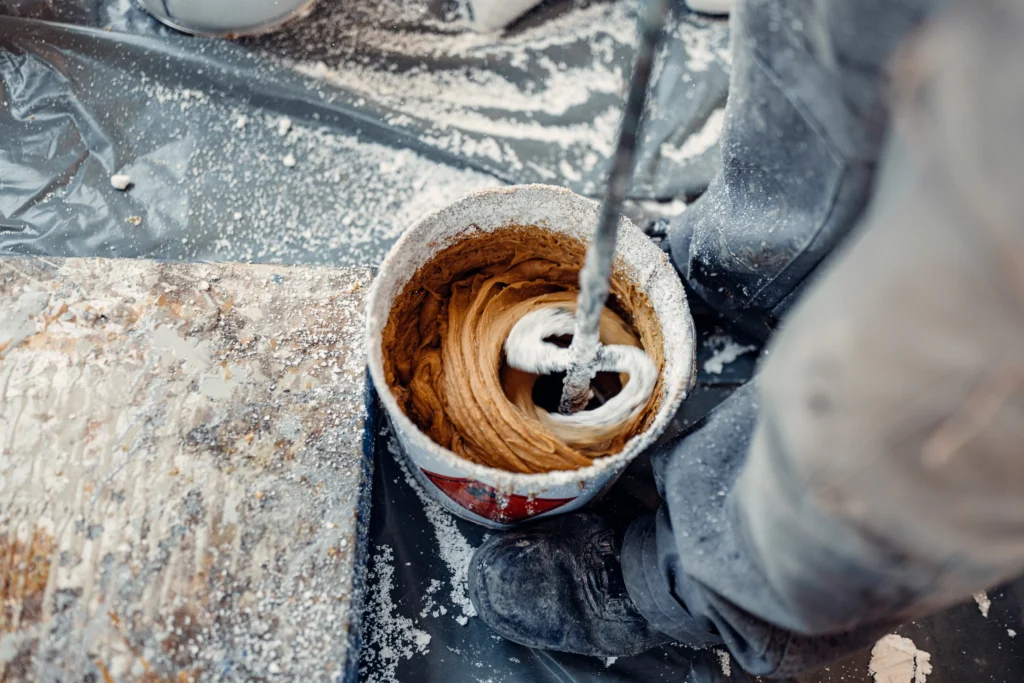
The quality of the pigments used also affects the final result. Different paint manufacturers use unique formulations, which means the same color combination can produce slightly different shades depending on the paint brand. This is why testing small samples before mixing larger quantities is always recommended. For more information about color relationships and paint selection, resources from Benjamin Moore Color Insights can provide helpful guidance.
Using Complementary Colors to Create Brown Paint
Another popular method for understanding how to make brown paint involves using complementary colors. Complementary colors sit opposite each other on the color wheel and naturally neutralize one another when mixed. One common combination is red and green. Since green contains blue and yellow, mixing it with red effectively combines all three primary colors. This creates a rich and balanced brown color.
Orange and blue can also produce brown because orange already contains red and yellow. Adding blue completes the primary color combination and creates a variety of brown shades depending on the proportions used. Purple and yellow offer another option. Purple contains red and blue, and when mixed with yellow, it can create unique brown tones that often feature subtle undertones. Many decorative painters prefer complementary color mixing because it often results in more complex and visually appealing browns compared to basic three-color mixing.
How Different Ratios Change Brown Paint
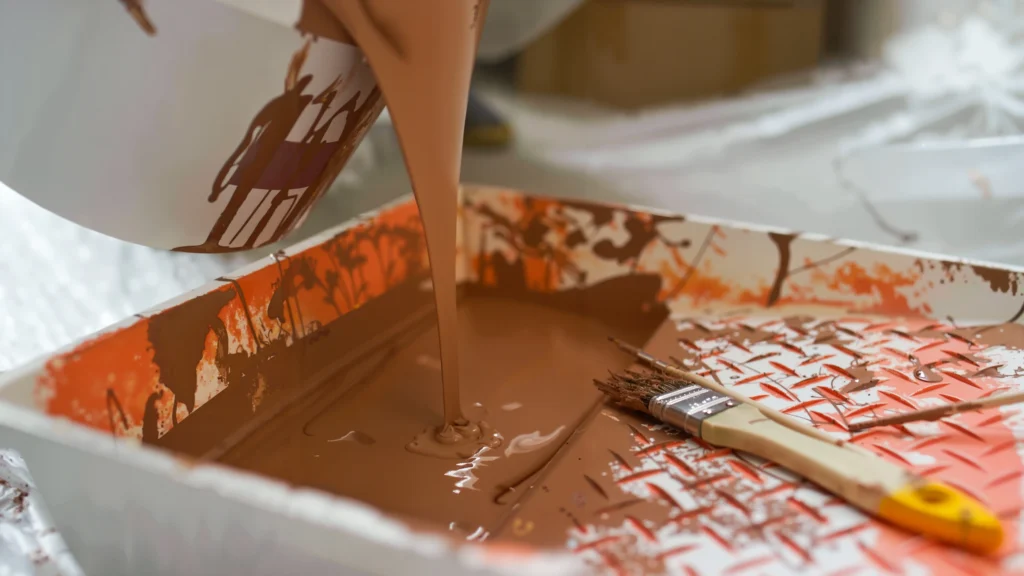
One of the most important aspects of learning how to make brown paint is understanding how ratios affect the final shade. Brown is not a single color but rather an entire family of colors that can range from very light to extremely dark. Increasing the amount of red creates warmer browns that resemble brick, mahogany, or chestnut. Adding more yellow often produces golden-brown or caramel tones. Increasing blue creates cooler and deeper browns that may appear more sophisticated and subdued.
These adjustments allow painters to customize colors for specific design goals. A rustic farmhouse interior may benefit from warm earthy browns, while a contemporary space might look better with cooler brown tones that complement modern finishes. Professional painters frequently make subtle adjustments to color ratios when matching existing paint colors or creating custom decorative finishes.
What Colors Make Brown Paint?
The most common way to create brown paint is by mixing red, blue, and yellow together. These three primary colors form the foundation of color theory and can create countless brown variations depending on the proportions used. For example, equal amounts of each color generally produce a medium brown, while increasing one color changes the undertone of the mixture. Painters often prefer this method because it provides complete control over the final color. Instead of relying on pre-mixed paint, you can create custom shades that better complement your design goals.
How to Make Light Brown Paint
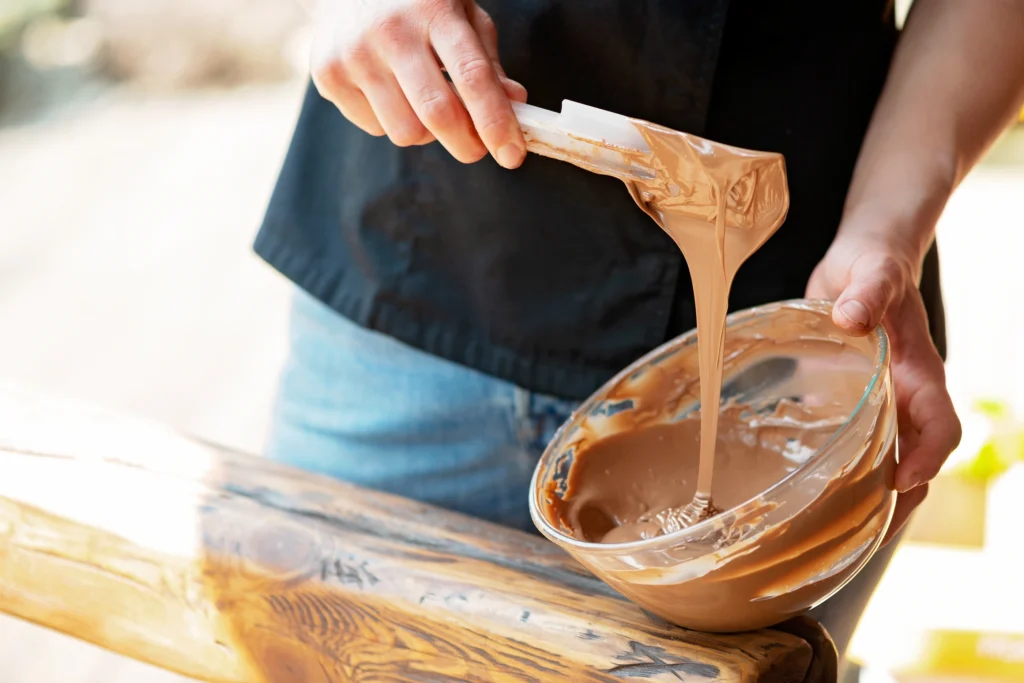
Many homeowners and artists need lighter shades of brown rather than dark or heavily saturated colors. Once a standard brown has been mixed, it can be lightened by gradually adding white paint. The key is to add white slowly and mix thoroughly between additions. Small changes can significantly affect the appearance of the final color. Depending on the amount of white added, the resulting shade may resemble beige, tan, taupe, sand, or cream.
Light brown colors remain popular in interior design because they create inviting and comfortable spaces while maintaining a neutral appearance. These shades pair well with many decorating styles and provide flexibility when selecting furniture and accessories. Light brown tones are often used in living rooms, bedrooms, hallways, and open-concept spaces where warmth and versatility are desired.
How to Make Dark Brown Paint
Dark brown shades can be created by adding small amounts of black paint to an existing brown mixture. However, many experienced painters prefer deepening brown naturally by increasing the concentration of blue or red pigments rather than relying solely on black. Dark brown colors are often associated with luxury, sophistication, and richness. Shades such as espresso, walnut, and chocolate brown are frequently used in furniture finishes, cabinetry, accent walls, and decorative woodwork.
When using black paint, it is important to proceed carefully because black pigments are extremely powerful. Even a small amount can dramatically alter the color. Adding too much black may result in a muddy appearance that lacks depth and warmth. Testing color samples under actual room lighting is essential because dark colors can appear very different depending on natural and artificial light conditions.
Common Uses for Brown Paint in Home Design
Brown remains one of the most popular colors in residential and commercial design because of its versatility. Understanding how to make brown paint allows homeowners to create custom shades that complement their existing décor and architectural features. Brown is commonly used on walls, cabinets, trim, furniture, doors, and accent features. Warm browns create cozy and welcoming environments, while cooler browns contribute to a more refined and contemporary appearance.
Because brown is strongly connected to natural materials such as wood and stone, it works well with many design styles. Traditional homes often feature rich brown wood finishes, while modern interiors frequently use softer brown shades to create warmth without overwhelming a space. Many designers are incorporating earthy browns into modern color palettes as homeowners move away from colder gray tones and embrace more natural, comfortable environments.
Mistakes to Avoid When Mixing Brown Paint
Several common mistakes can interfere with successful paint mixing. One of the biggest errors is adding too much color too quickly. Once excess pigment is introduced, correcting the mixture becomes difficult and may require additional paint. Another common issue involves ignoring undertones. Browns often contain subtle red, yellow, green, or blue influences that become more noticeable under different lighting conditions. Failing to consider undertones can lead to unexpected results.
Poor-quality paint may also create challenges because lower-grade pigments sometimes produce muddy or inconsistent colors. Investing in quality paint products generally results in cleaner and more predictable color mixing. Thorough mixing is equally important. Incomplete blending can create streaks and color inconsistencies that become obvious during application. For additional guidance on paint colors and decorating trends, homeowners often consult resources from Sherwin-Williams Color Education Center and This Old House Painting Resources.
Why Brown Paint Continues to Be Popular
Brown has remained relevant throughout decades of changing design trends because it offers warmth, flexibility, and timeless appeal. While certain color trends come and go, brown consistently provides a reliable foundation for both traditional and modern spaces. Designers frequently use brown to create balance within a room. It pairs beautifully with white, cream, gray, green, blue, and many other colors. Brown also helps establish a connection to natural materials, making interiors feel more grounded and comfortable. As homeowners increasingly seek inviting and nature-inspired environments, brown continues to play an important role in contemporary color schemes. Whether used as a dominant wall color or as an accent, brown offers enduring appeal that rarely feels outdated.
Conclusion
Understanding how to make brown paint is simpler than many people realize. In most cases, brown can be created by mixing red, blue, and yellow together or by combining complementary colors such as orange and blue. The exact shade depends on the ratios used and whether additional colors like white or black are introduced. Light browns can be achieved by adding white, while darker browns can be produced by deepening the mixture with darker pigments.
Because brown is one of the most versatile colors in painting and interior design, learning how to create and adjust it gives homeowners, artists, and DIY enthusiasts greater flexibility in their projects. Whether you are painting furniture, updating cabinetry, creating artwork, or selecting colors for a room makeover, understanding the fundamentals of brown paint mixing can help you achieve professional-looking results. When larger painting projects require expert preparation and application, Four Seasons Painting can help homeowners achieve beautiful finishes that complement their homes and personal style.