Paint spills and overspray can quickly turn an otherwise clean concrete surface into an eyesore. Understanding how do you remove paint from concrete is important for homeowners, property managers, and contractors who want to restore the appearance of driveways, patios, garage floors, sidewalks, and basement surfaces. Concrete is a durable material, but its porous nature can make paint removal more challenging than many people expect.
Whether the paint resulted from a home improvement project, accidental spills, graffiti, or old coatings that have begun to deteriorate, the removal process often requires patience and the proper technique. Some paint stains remain on the surface, while others penetrate deep into the pores of the concrete. The appropriate removal method depends on the type of paint, the condition of the concrete, and how long the paint has been present.
Many homeowners begin researching how do you remove paint from concrete after discovering that simple washing is often not enough. Fortunately, several proven techniques can help restore concrete surfaces and improve their overall appearance. Understanding the available options allows homeowners to select the most effective approach for their specific situation.
Why Paint Sticks To Concrete
Before learning how do you remove paint from concrete, it is helpful to understand why paint bonds so effectively to concrete surfaces. Unlike smooth materials such as glass or metal, concrete contains countless microscopic pores and surface irregularities. These tiny openings allow paint to penetrate beneath the surface and create a strong mechanical bond. Fresh concrete is particularly absorbent. When paint is applied or spilled on unsealed concrete, pigments and binders can penetrate deeply into the material. Over time, exposure to sunlight, moisture, and foot traffic may cause the paint to wear away unevenly, leaving stains or patches behind. The type of paint also influences how difficult removal will be. Latex paint generally responds more easily to removal methods than oil-based coatings, epoxies, or industrial-grade paints. Understanding the characteristics of the paint involved can help determine the most effective removal strategy.
Assessing The Condition Of The Paint
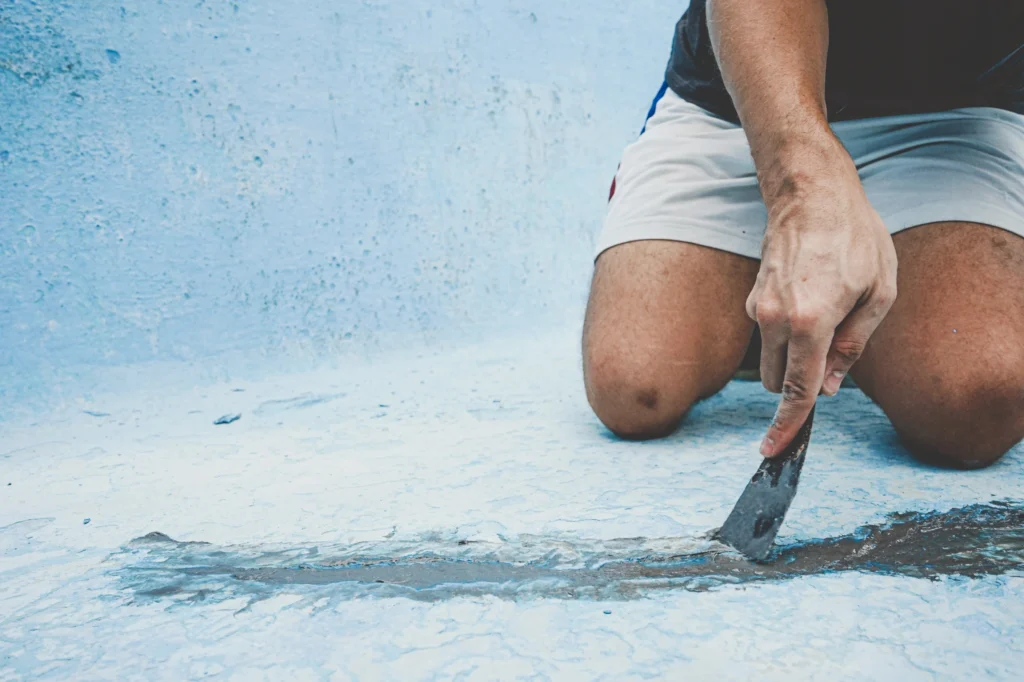
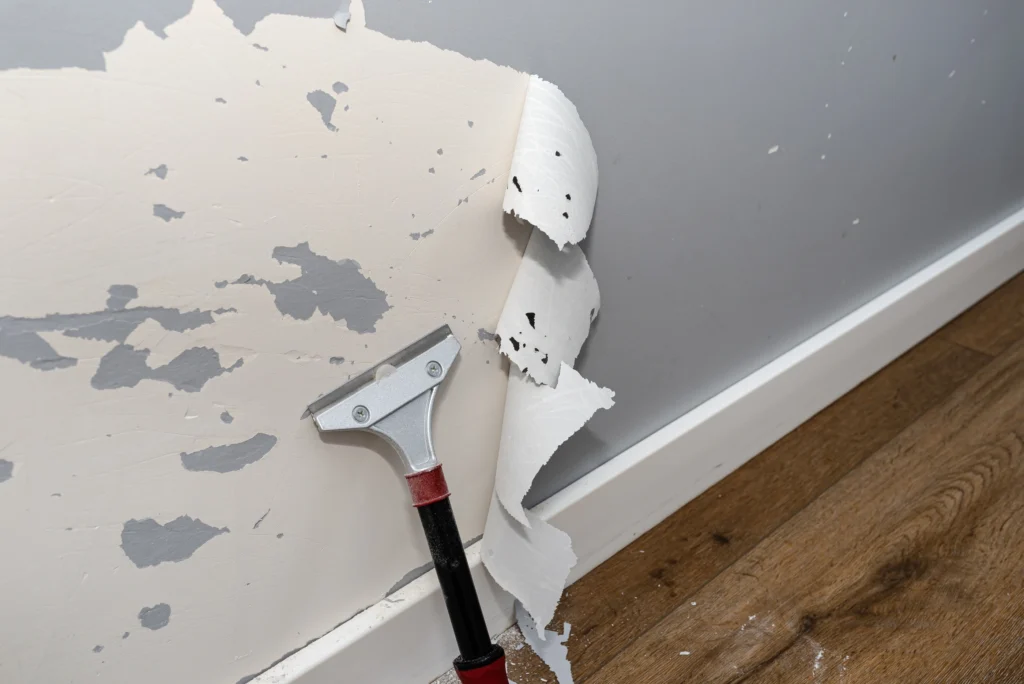
One of the first steps in determining how do you remove paint from concrete is evaluating the condition of the paint itself. Paint that remains on the surface often requires a different approach than paint that has soaked deeply into the concrete. If the paint is peeling, flaking, or deteriorating, mechanical removal methods may be sufficient. Paint that has cured and bonded strongly to the surface may require chemical treatments or more aggressive techniques. The size of the affected area also matters. A small paint spill on a garage floor can often be handled differently than a large painted patio or an entire basement floor coated with old paint. Taking time to assess the situation before beginning work helps prevent unnecessary damage and improves the likelihood of successful results.
Using Soap And Water For Fresh Paint
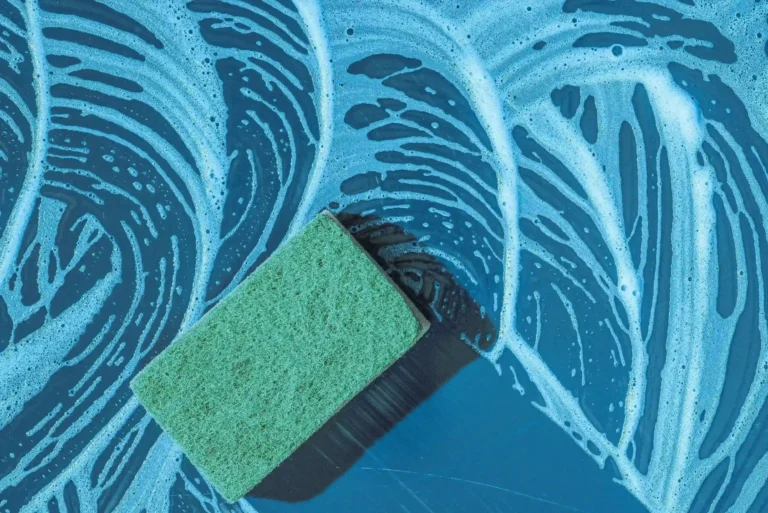
When paint spills are discovered quickly, basic cleaning methods may be effective. Fresh latex paint can sometimes be removed using warm water, mild detergent, and a stiff-bristle brush. Scrubbing helps loosen paint before it has fully cured and bonded to the concrete. Multiple cleaning cycles may be necessary, particularly if the paint has already begun drying. While this method may not completely eliminate staining, it can significantly reduce the amount of paint remaining on the surface. Prompt action provides the best opportunity for success. Once paint cures completely, more advanced removal methods are usually required. The Environmental Protection Agency provides guidance regarding safe cleaning practices and environmental considerations.
How Do You Remove Paint From Concrete With A Pressure Washer
Pressure washing is one of the most popular methods used when homeowners ask how do you remove paint from concrete. High-pressure water can loosen surface paint and remove contaminants without the use of harsh chemicals. Pressure washers work particularly well on exterior surfaces such as patios, sidewalks, and driveways. The effectiveness depends on the pressure level, nozzle selection, and type of paint involved. In many cases, pressure washing alone may remove loose paint while preparing the surface for additional treatment.
For heavily stained surfaces, multiple passes may be required. Hot-water pressure washers often provide better results because heat helps soften paint and improve removal efficiency. Homeowners interested in maintaining exterior surfaces can learn more about cleaning and preparation services through Four Seasons Painting Interior & Exterior Painting. Proper surface cleaning often improves the appearance of concrete even when complete paint removal is not immediately achieved.
Using Paint Strippers On Concrete
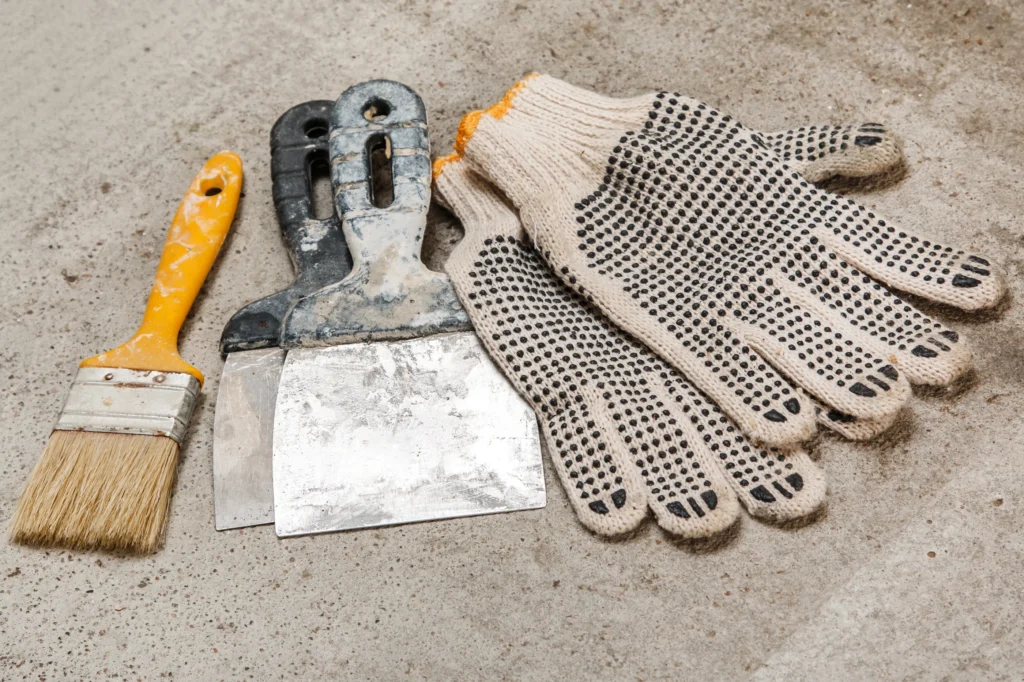
Chemical paint strippers remain one of the most effective solutions for removing stubborn paint from concrete. These products are designed to break down paint films and allow them to be scraped or washed away more easily. When considering how do you remove paint from concrete with chemical products, selecting the appropriate stripper is important. Some formulations are designed specifically for latex paint, while others work better on oil-based coatings or epoxies. The stripper is typically applied to the painted area and allowed to remain on the surface for a specified period. During this time, the product softens the paint and weakens its bond to the concrete. Once softened, the paint can often be removed using scrapers, brushes, or pressure washing equipment. Following manufacturer instructions carefully is essential to ensure both safety and effectiveness.
Mechanical Paint Removal Methods
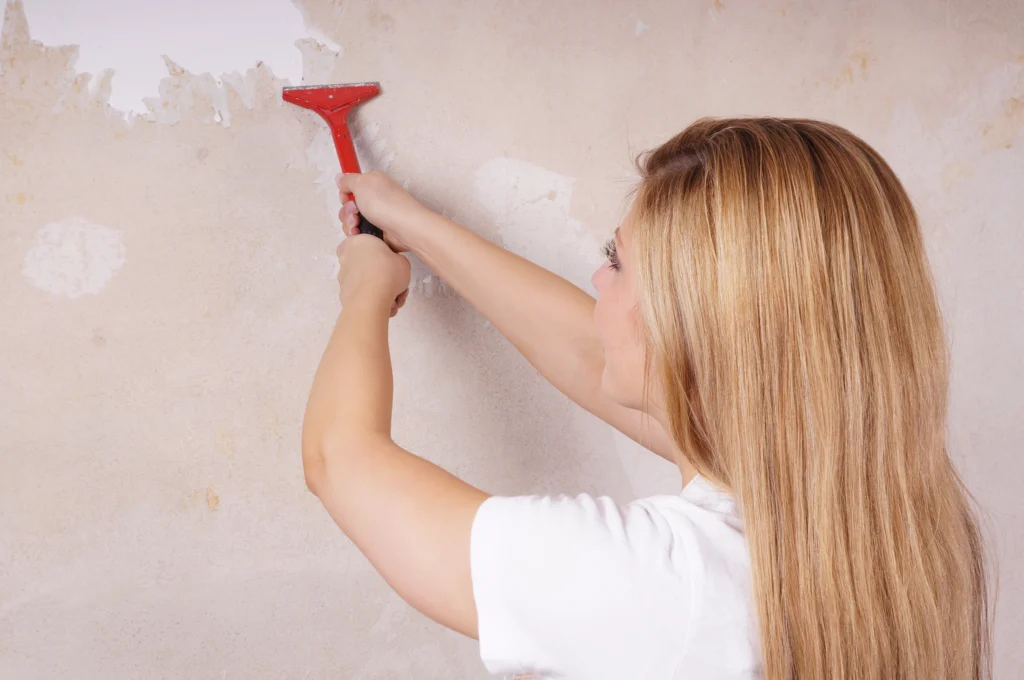
Mechanical removal techniques are frequently used when chemical treatments alone do not provide satisfactory results. These methods physically remove paint from the concrete surface through abrasion or grinding. Wire brushes, floor grinders, sanding equipment, and specialized concrete preparation tools can all be effective depending on the situation. While these techniques often produce excellent results, they require caution because excessive abrasion may damage the concrete itself. Large commercial projects frequently rely on mechanical methods because they provide efficient paint removal across extensive surfaces. Homeowners may choose to rent equipment or hire professionals for larger jobs. Understanding how do you remove paint from concrete using mechanical techniques helps determine whether a project is suitable for DIY work or professional assistance.
Removing Old Paint From Garage Floors
Garage floors often present unique challenges because paint may have been exposed to vehicle traffic, chemicals, and years of wear. Old garage floor coatings can become patchy and difficult to remove completely. In many cases, a combination of chemical stripping and mechanical preparation produces the best results. Surface contaminants such as oil, grease, and automotive fluids should be cleaned before paint removal begins. Once the old coating has been removed, homeowners often choose to reseal or repaint the surface for improved appearance and durability. Proper preparation remains one of the most important factors affecting the success of any concrete restoration project.
How Do You Remove Paint From Concrete Without Damaging It
A common concern among homeowners is whether paint removal will damage the underlying concrete. Understanding how do you remove paint from concrete safely requires balancing effectiveness with surface preservation. Aggressive grinding, excessive pressure washing, or improper chemical use can potentially etch or weaken concrete surfaces. Testing removal methods in a small, inconspicuous area before treating the entire surface helps minimize risk. Gentler methods should generally be attempted before moving to more aggressive approaches. In many situations, multiple mild treatments provide better results than a single aggressive procedure. Protecting the integrity of the concrete is just as important as removing the paint itself.
Preventing Future Paint Problems
After successfully removing paint, many homeowners want to prevent future staining and contamination. Sealing concrete surfaces is one of the most effective ways to reduce paint absorption and simplify future cleanup. Concrete sealers create a protective barrier that limits the penetration of liquids, paint, oils, and other contaminants. Sealed surfaces are generally easier to maintain and more resistant to staining. Careful preparation during painting projects also helps prevent accidental spills and overspray. Using drop cloths, masking materials, and protective barriers can significantly reduce the likelihood of future cleanup challenges. Homeowners planning painting projects can explore professional painting services and preparation methods through Four Seasons Painting Interior & Exterior Painting. Proper planning often prevents many of the issues that lead to paint removal projects.
When Professional Help Makes Sense
Although many homeowners successfully remove paint themselves, certain situations benefit from professional assistance. Large painted surfaces, industrial coatings, epoxies, and heavily stained concrete often require specialized equipment and expertise. Professionals understand how to select appropriate removal methods based on the type of paint, concrete condition, and project goals. Their experience can reduce the risk of surface damage while improving efficiency and overall results. For complex projects, professional services may save both time and money compared to repeated DIY attempts.
Restoring The Appearance Of Concrete Surfaces
Learning how do you remove paint from concrete can help homeowners restore driveways, patios, garage floors, sidewalks, and other concrete surfaces to a cleaner and more attractive condition. Whether using soap and water, pressure washing, chemical strippers, or mechanical methods, selecting the right approach depends on the type of paint and the condition of the concrete. Successful paint removal often requires patience, proper preparation, and realistic expectations. Some stains may require multiple treatments before achieving the desired result. By understanding the available options and using appropriate techniques, homeowners can significantly improve the appearance of painted concrete surfaces and protect them from future damage. For homeowners planning painting, cleaning, or surface restoration projects, Four Seasons Painting provides professional services backed by experience, quality workmanship, and attention to detail. Proper preparation and maintenance can help keep concrete surfaces looking their best for years to come.