How to make hot pink using paint is a popular question among homeowners, DIY enthusiasts, and artists who want to create a bold and eye-catching color for interior walls, furniture, crafts, or decorative projects. Hot pink is a vibrant shade that stands out, and while it is widely available in pre-mixed paints, many people prefer to mix it themselves for better control over tone and brightness. Understanding how to make hot pink using paint is not difficult, but it does require basic knowledge of color mixing. Since hot pink is not a primary color, it must be created by blending other colors in the correct proportions. The final result depends heavily on the type of red or magenta used and how much white is added during mixing. With the right approach, anyone can create a bright, professional-looking hot pink suitable for a variety of creative and home improvement projects.
How To Make Hot Pink Using Paint With Red And White
The most common method for how to make hot pink using paint is mixing red paint with white paint. Red serves as the base color, while white is used to lighten and transform it into pink. To achieve a hot pink shade, start with a strong, vibrant red. Add small amounts of white gradually while mixing thoroughly. This slow process helps control the final shade and prevents the color from becoming too pale.
If too much white is added, the result may turn into pastel pink instead of hot pink. That is why careful adjustment is important when learning how to make hot pink using paint for any project. Different red paints produce different results, so testing small batches is always recommended before mixing large quantities.
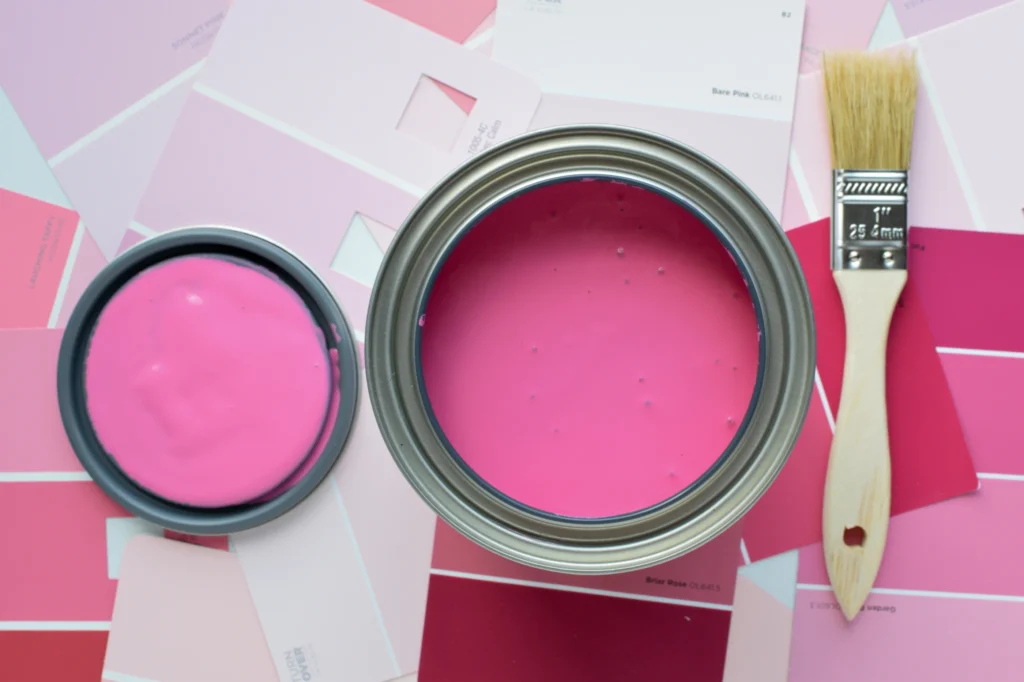
Why Magenta Works Better For Hot Pink
Another effective method for how to make hot pink using paint involves using magenta instead of red. Magenta already contains strong pink undertones, making it easier to achieve a vibrant hot pink shade. When magenta is mixed with white, the result is usually brighter and more saturated compared to standard red paint. This makes magenta a preferred choice among designers and professional painters. Small adjustments with white or additional magenta allow for precise control over brightness and intensity. This method is often used in decorative painting, art projects, and furniture refinishing.
Understanding Color Theory For Hot Pink Paint
A basic understanding of color theory is essential when learning how to make hot pink using paint. Colors interact in predictable ways, and knowing how they combine helps achieve more accurate results. Hot pink is created by adjusting the balance between red (or magenta) and white. The exact shade depends on proportions and pigment strength. For deeper understanding of color science, standards, and color reproduction systems, you can explore resources from the International Color Consortium. This helps explain why some mixtures produce vibrant results while others look dull or uneven.
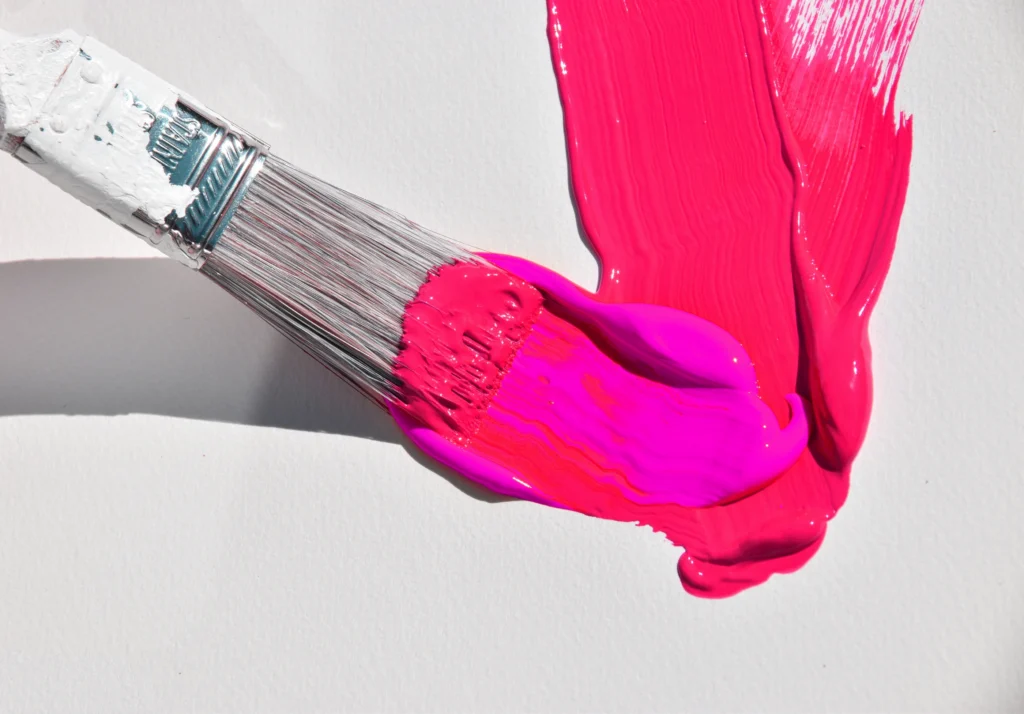
How To Make Hot Pink Using Paint For Walls
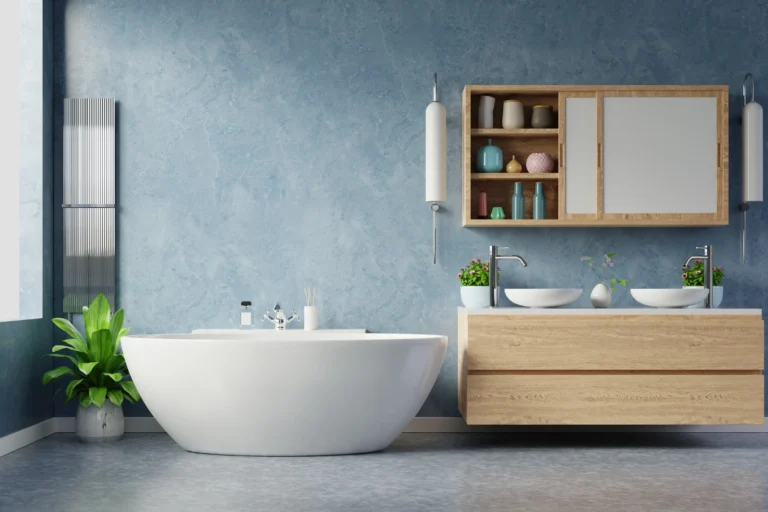
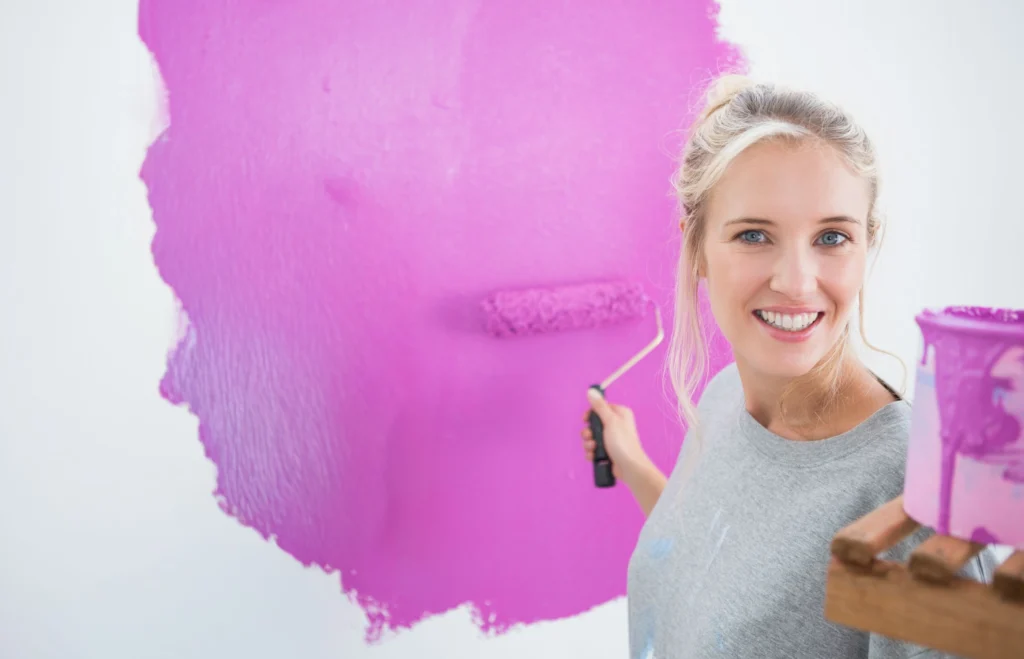
Homeowners often use hot pink for accent walls, bedrooms, or decorative interior features. When learning how to make hot pink using paint for walls, consistency becomes very important because wall surfaces require larger quantities of paint. Always mix enough paint in one batch to avoid color differences between sections. Lighting also plays a major role in how hot pink appears once applied. Before painting an entire wall, test the color on a small sample area to ensure it matches your expectations under different lighting conditions. For professional assistance with interior painting projects, you can explore our Painting Services here: Four Seasons Painting Interior & Exterior Painting.
Common Mistakes When Making Hot Pink Paint
Many people struggle with how to make hot pink using paint because of a few common mistakes. One of the biggest issues is adding too much white paint too quickly, which results in a light pastel pink instead of a bold hot pink. Another mistake is starting with a dark or dull red, which can produce muted or brownish tones instead of bright pink. Using low-quality paint can also affect color accuracy and consistency. Mixing slowly and testing small batches is the best way to avoid these issues and achieve a clean, vibrant result.
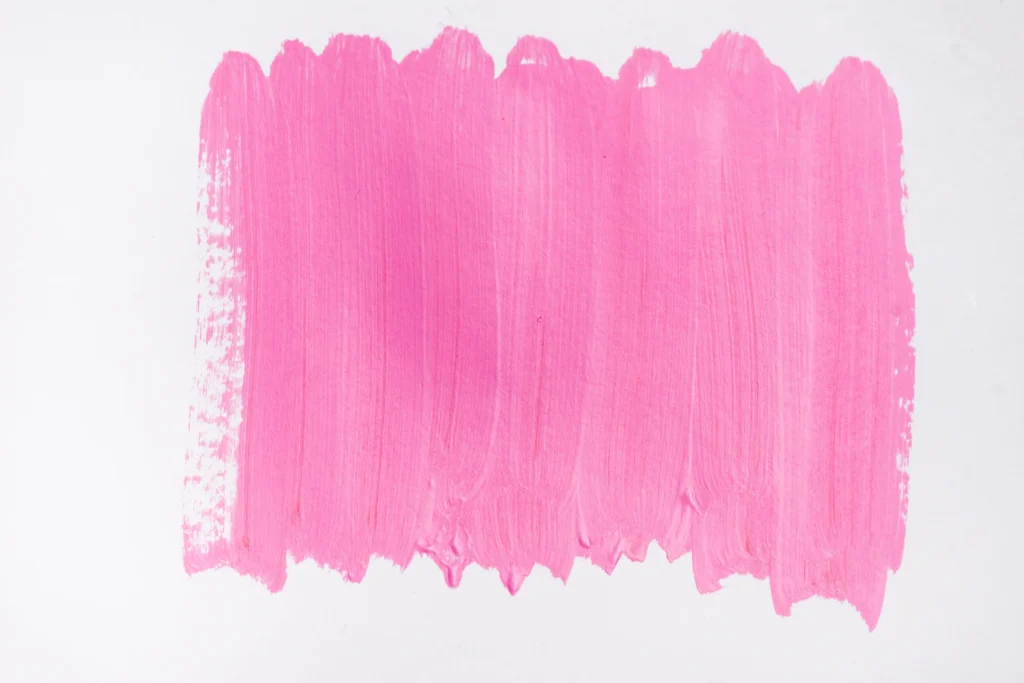
Where Hot Pink Is Commonly Used
Hot pink is widely used in interior design, furniture restoration, artwork, and crafts. It is often chosen for accent pieces because of its bold and energetic appearance. In home design, hot pink can create a modern and stylish look when balanced with neutral colors like white, gray, or beige. It is also popular in children’s rooms and creative spaces. Understanding how to make hot pink using paint allows homeowners to customize the exact shade they need instead of relying on pre-made options.
Why Color Accuracy Matters In Paint Mixing
Color accuracy is extremely important when working with custom paint mixtures. Even small changes in ratio can significantly alter the final shade. This is why professional painters carefully measure and test colors before applying them on large surfaces. Environmental factors like lighting, surface texture, and paint finish can also affect how hot pink appears after drying. Careful planning ensures better results and reduces waste during painting projects.
Conclusion
Learning how to make hot pink using paint gives homeowners and DIY enthusiasts full control over their color choices. By combining red or magenta with white in the correct proportions, it is possible to create a vibrant and customized hot pink shade for any project. Understanding color theory, avoiding common mixing mistakes, and testing colors before full application are key steps to achieving professional results. For homeowners planning painting projects, Four Seasons Painting offers expert interior and exterior painting services designed to deliver smooth, long-lasting, and visually stunning results.