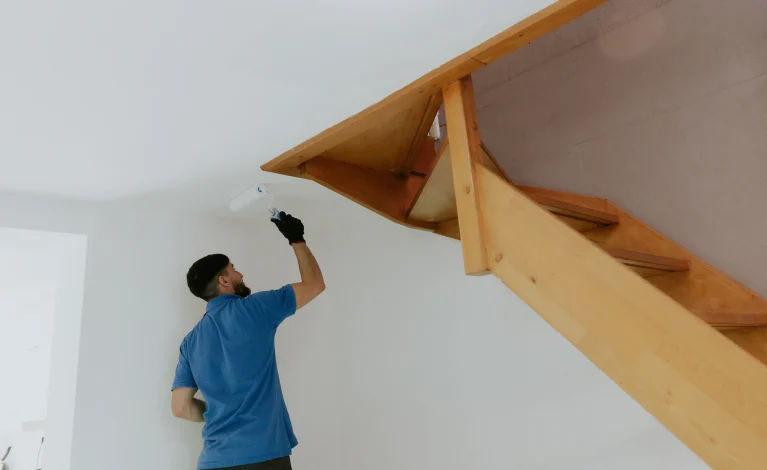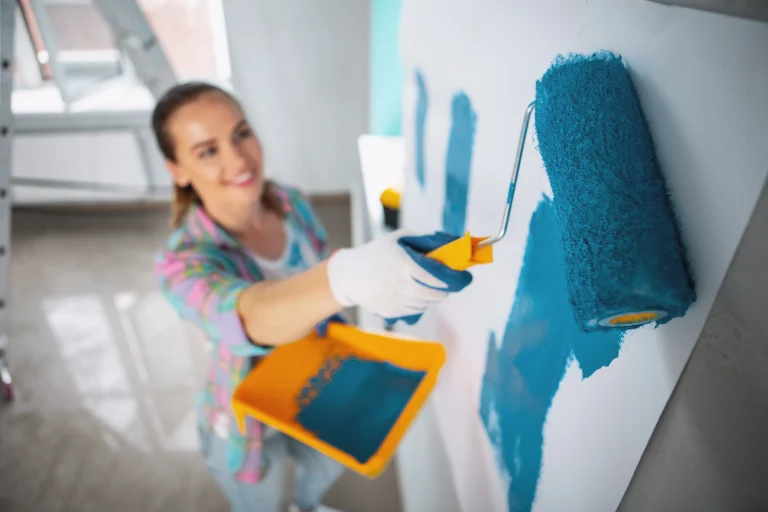
A spray gun can produce a smooth, professional-looking finish much faster than a traditional brush or roller, but only when it is used correctly. Many homeowners purchase or rent a paint sprayer expecting flawless results, only to end up with uneven coverage, drips, or excessive overspray because they skipped important preparation steps. Learning how to use a spray gun to paint involves much more than filling the sprayer with paint and pulling the trigger. Proper surface preparation, selecting the correct spray tip, adjusting pressure, and maintaining a consistent spraying technique all contribute to a durable, attractive finish.
Whether you are painting siding, fences, cabinets, doors, or interior walls, understanding the fundamentals before you begin will save time, reduce wasted paint, and help create results that closely resemble a professional paint job.

Choosing The Right Spray Gun Before You Begin
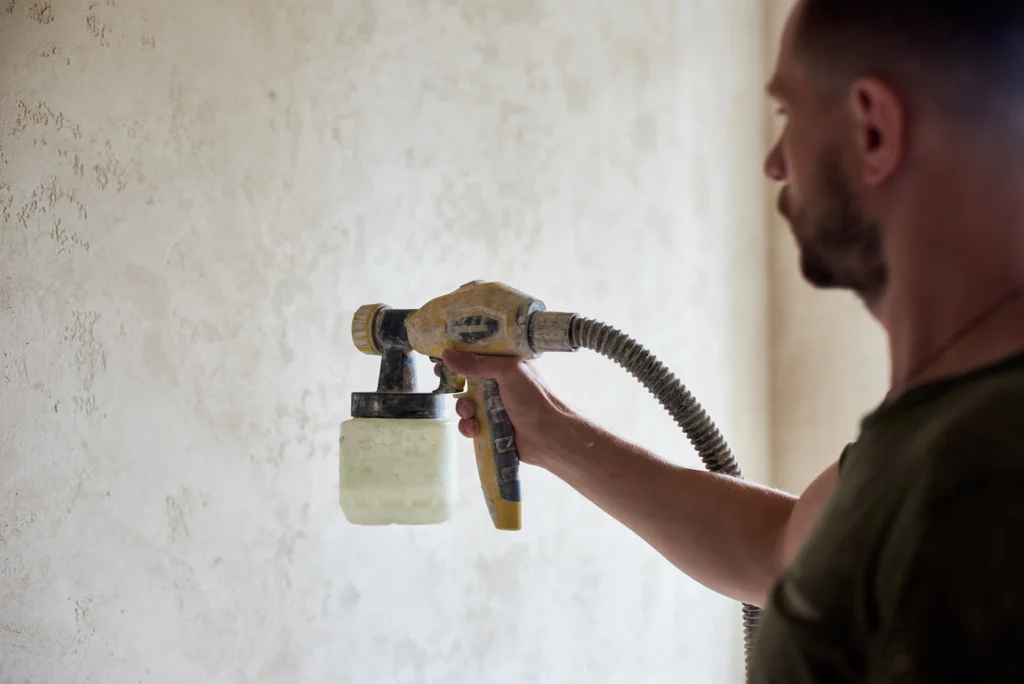
Before learning how to use a spray gun to paint, it is important to choose equipment that matches the project. Several types of paint sprayers are available, including airless sprayers, HVLP (High Volume Low Pressure) sprayers, and compressed air spray guns. Airless sprayers are popular for large exterior projects because they cover wide areas quickly and handle thicker coatings with minimal thinning. HVLP sprayers are often preferred for cabinets, furniture, trim, and doors because they provide greater control while producing a finer finish with less overspray.
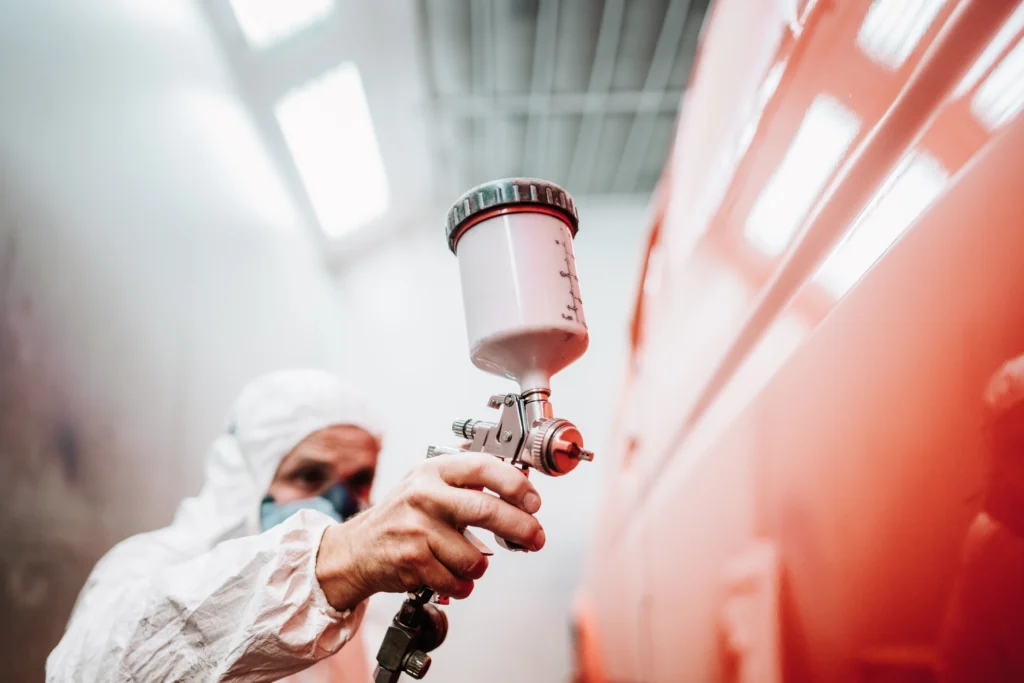
Compressed air spray guns are commonly used in automotive finishing and specialty applications where precision is essential. Choosing the correct spray tip is equally important because different tip sizes control the width of the spray pattern and the amount of paint being applied. Using the wrong tip may create uneven coverage, excessive paint consumption, or poor atomization.
Reading the paint manufacturer’s recommendations before purchasing or renting equipment helps ensure compatibility between the coating and the sprayer. Understanding how to use a spray gun to paint begins with selecting equipment that suits the surface, paint type, and project size rather than assuming one sprayer works equally well for every application.
Preparing The Surface And Protecting The Surrounding Area
Successful spray painting depends heavily on preparation because the spray gun distributes paint much more widely than a brush or roller. Before spraying begins, every surface should be cleaned thoroughly to remove dirt, grease, mildew, loose paint, and other contaminants that reduce adhesion. Sand rough areas smooth and repair cracks, holes, or damaged sections before applying primer where necessary.
Once the surface is ready, protect nearby windows, landscaping, flooring, furniture, light fixtures, vehicles, and roofing materials using plastic sheeting, masking paper, and painter’s tape. Overspray can travel much farther than many homeowners expect, especially outdoors where even light winds carry fine paint particles onto surrounding surfaces. It is also important to remove or cover items that could become permanently damaged by paint mist.
Spending additional time masking and protecting the work area significantly reduces cleanup later and produces cleaner paint lines around trim, windows, and architectural details. Homeowners preparing for larger residential painting projects can also explore the professional solutions available through the Exterior Painting services offered by Four Seasons Painting Co, where careful preparation remains one of the most important steps for achieving long-lasting results.
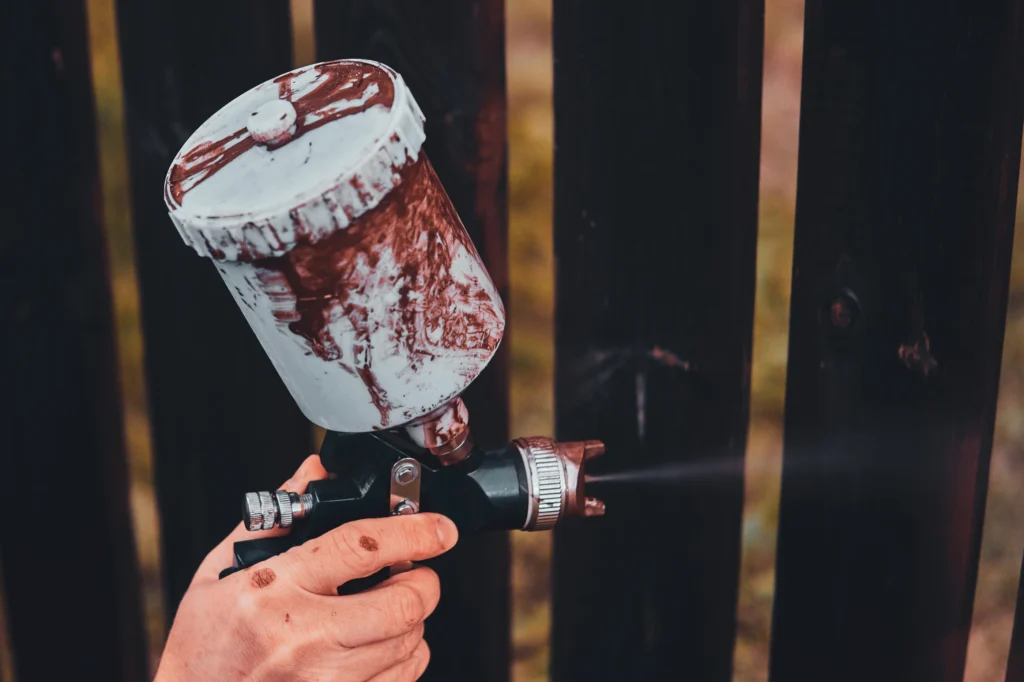
Setting Up The Spray Gun Correctly
Proper setup makes a noticeable difference in the final finish and is a critical part of learning how to use a spray gun to paint effectively. Begin by thoroughly mixing the paint according to the manufacturer’s instructions. Some coatings may require straining before they are poured into the sprayer to remove dried particles or debris that could clog the spray tip. Depending on the type of sprayer and paint being used, thinning may also be necessary, although many modern airless sprayers handle latex paint without additional thinning.
Once the sprayer is filled, adjust the pressure gradually rather than immediately selecting the highest setting. Excessive pressure often creates unnecessary overspray and wastes paint, while pressure that is too low may produce uneven spray patterns or sputtering.
Always perform several test sprays on cardboard or scrap material before moving to the actual surface. This allows adjustments to the spray fan, pressure, and paint flow until the pattern appears even across its entire width. Taking a few extra minutes to fine-tune the equipment helps ensure that learning how to use a spray gun to paint leads to smooth, consistent coverage instead of uneven finishes that require additional sanding and repainting.
Applying Paint Evenly Across The Surface
Once you become comfortable with the basic technique, the next step in learning how to use a spray gun to paint is maintaining even coverage across the entire project. Start at the highest point of the surface and work downward so any minor overspray falls onto areas that have not yet been painted. Spray in straight horizontal or vertical passes depending on the shape of the object, keeping each stroke consistent from beginning to end.
Avoid stopping the spray gun in one place because this quickly creates runs and thick paint buildup that are difficult to correct after drying. Instead, maintain a smooth rhythm and overlap each pass by about fifty percent so every section receives the same amount of paint. Corners, edges, and detailed trim should be sprayed first using light coats before covering larger flat areas. This prevents excessive paint from collecting where surfaces meet. It is also important to inspect your work regularly from different angles while the paint is still wet. Uneven coverage, dry spots, or light streaks are much easier to correct immediately than after the paint begins curing.
If another coat is required, allow the first coat to dry according to the manufacturer’s recommendations before continuing. Homeowners who practice these techniques while learning how to use a spray gun to paint usually achieve smoother, more professional-looking finishes with less paint waste and fewer touch-ups.

Cleaning The Spray Gun After Every Project
Proper cleanup is one of the most overlooked parts of how to use a spray gun to paint, yet it directly affects the performance and lifespan of the equipment. Paint left inside the sprayer begins drying quickly, causing clogged filters, blocked spray tips, and damaged internal components that reduce spray quality during future projects. As soon as painting is complete, empty any remaining paint into its original container if it can still be reused. Flush the sprayer using the cleaning solution recommended for the type of paint that was applied.
Water is generally suitable for most latex paints, while oil-based coatings require the appropriate solvent recommended by the manufacturer. Remove the spray tip, filters, and guard, then clean each component carefully using a soft brush rather than metal tools that may damage precision parts. Wipe down the exterior of the sprayer and inspect hoses, seals, and fittings for wear before storing the equipment.
Routine maintenance also allows you to identify worn components before they cause uneven spray patterns or leaks during the next project. Following these cleaning procedures every time you learn how to use a spray gun to paint helps maintain consistent spray performance while extending the life of the equipment and reducing future repair costs.
Common Spray Painting Mistakes And How To Avoid Them
Even experienced DIY painters occasionally make mistakes when using paint sprayers, but most problems can be avoided with careful planning. One common error is selecting the wrong spray tip, which affects paint flow, coverage, and finish quality. Another frequent mistake is using excessive pressure, creating unnecessary overspray while wasting paint.
Holding the spray gun too close to the surface often causes runs and heavy paint buildup, whereas holding it too far away produces rough, uneven coverage. Failing to strain paint before filling the sprayer may allow dried particles to clog the tip and interrupt the spray pattern.
Many homeowners also underestimate the importance of weather when spraying outdoors. Wind can carry overspray onto nearby vehicles, landscaping, or neighboring properties, while high humidity slows drying and increases the chance of surface contamination.
Before beginning any exterior spraying project, reviewing local conditions through the National Weather Service helps identify the best painting window. Paying attention to these details while practicing how to use a spray gun to paint reduces frustration, minimizes wasted materials, and produces cleaner, more consistent finishes.
When Professional Spray Painting Is Worth Considering
Although modern paint sprayers make many projects more manageable, large residential and commercial jobs often benefit from professional experience. Multi-story homes, extensive exterior surfaces, detailed trim, and projects requiring specialized coatings demand careful planning, proper equipment, and consistent application techniques. Professional painters understand how to use a spray gun to paint efficiently while minimizing overspray, protecting surrounding property, and producing uniform coverage across every surface.
They also know how to adjust pressure settings, select the correct spray tips, and adapt to changing weather conditions throughout the project. Hiring professionals may also reduce material waste because experienced crews apply paint more efficiently while avoiding common application errors.
If you are planning a major interior or exterior painting project and would like expert guidance, visit the Contact page to connect with the team at Four Seasons Painting Co. Their experience with professional spray equipment helps homeowners achieve durable, high-quality finishes while saving valuable time.
Conclusion
Learning how to use a spray gun to paint takes preparation, practice, and attention to detail, but the results are well worth the effort. Choosing the right equipment, preparing surfaces properly, maintaining consistent spraying techniques, and cleaning the sprayer after each project all contribute to a smooth, professional-looking finish. Whether you are painting a single door or the entire exterior of your home, following the correct process improves both appearance and durability. If you prefer professional results without the learning curve, Four Seasons Painting Co provides expert painting services that deliver beautiful, long-lasting finishes for homeowners throughout Lake County.