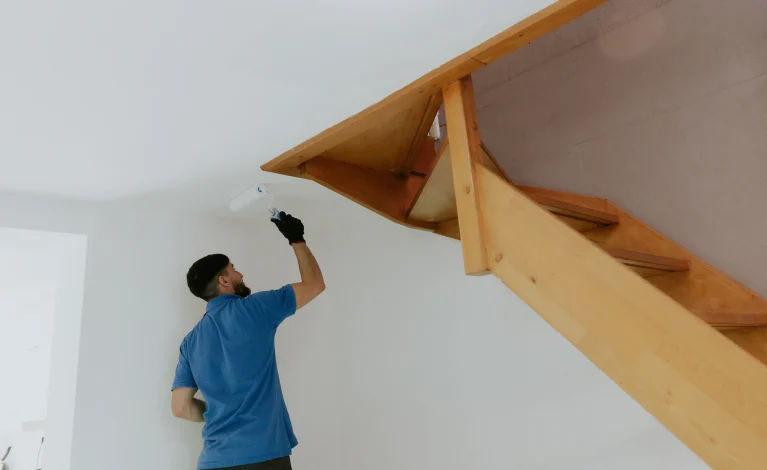
Choosing paint may seem straightforward until you realize that products designed for indoor walls and outdoor surfaces are made for completely different conditions. Many homeowners wonder what is the difference between interior and exterior paint because the cans often look similar, yet they perform very different jobs. Interior paint is formulated to provide a smooth finish, resist stains, and withstand regular cleaning inside the home, while exterior paint is engineered to survive rain, sunlight, humidity, temperature changes, and other harsh environmental conditions.
Using the wrong type of paint can lead to peeling, fading, cracking, or poor durability long before you would normally expect to repaint. Understanding how each product is designed helps homeowners select the right coating, protect their investment, and achieve a finish that looks better and lasts much longer.
What Is The Difference Between Interior And Exterior Paint In Their Formulation
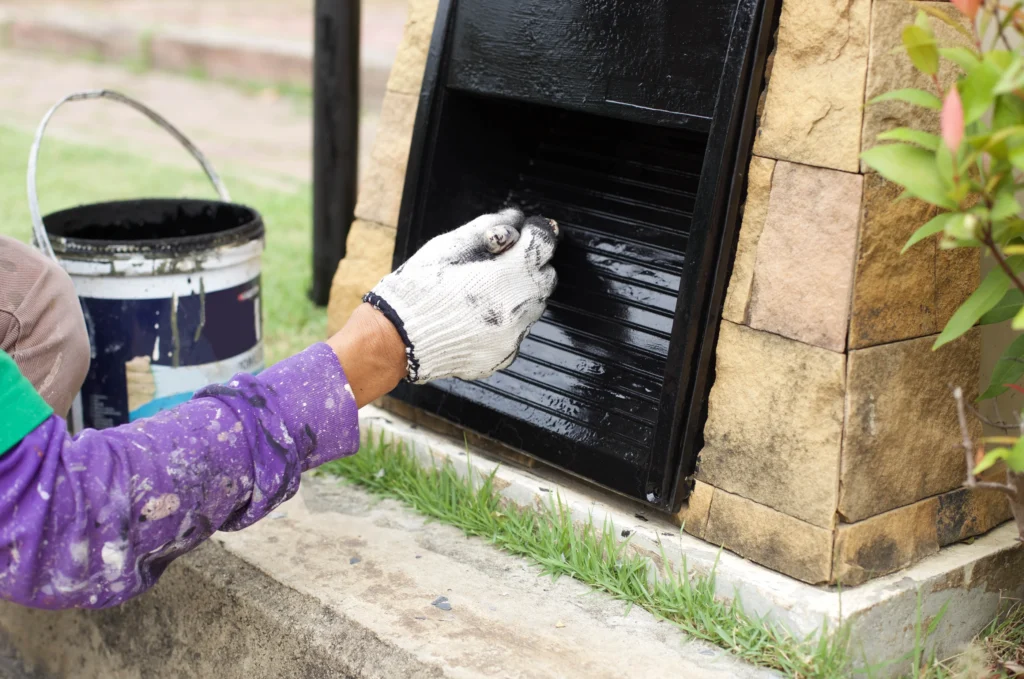
The biggest answer to what is the difference between interior and exterior paint lies in the way each product is manufactured. Although both contain pigments, binders, solvents, and additives, the proportions and ingredients are carefully adjusted for completely different environments. Interior paint focuses on appearance, stain resistance, easy cleaning, and low odor because it is used inside occupied living spaces.
Manufacturers formulate these products to produce smooth finishes while minimizing harmful emissions and allowing homeowners to clean painted walls without damaging the surface. Exterior paint, on the other hand, is designed to withstand constant exposure to sunlight, rain, snow, humidity, temperature swings, and airborne contaminants. Its flexible binders allow the paint to expand and contract with outdoor materials as temperatures change throughout the year, reducing the risk of cracking and peeling.
Exterior coatings also include additives that resist mildew, fading, moisture penetration, and ultraviolet damage. Because of these differences, using interior paint outside often results in rapid deterioration, while exterior paint indoors may release stronger odors and create an unnecessarily hard finish for living spaces. Understanding what is the difference between interior and exterior paint helps homeowners recognize that each product has been engineered for a specific purpose, making the correct selection essential for both appearance and durability.
How Interior Paint Performs Inside The Home
Interior paint is developed specifically for controlled indoor environments where surfaces experience regular cleaning, everyday contact, and occasional impacts rather than severe weather. Instead of resisting rain or direct sunlight, interior coatings prioritize stain resistance, washability, color consistency, and smooth application. Living rooms, bedrooms, kitchens, hallways, and offices all benefit from paints that maintain an attractive finish while standing up to routine household activity.
Manufacturers also pay close attention to indoor air quality by producing many low-VOC and low-odor formulations that allow families to occupy painted rooms sooner after completion. Different finishes also serve different purposes inside the home.
Flat finishes hide imperfections, eggshell provides a balance between durability and appearance, satin works well in high-traffic areas, while semi-gloss and gloss finishes offer greater moisture resistance for trim, kitchens, and bathrooms. Choosing the correct finish is just as important as choosing the correct product. Homeowners planning complete interior updates can also explore professional Interior Painting services available through Four Seasons Painting Co, where product selection, preparation, and application all contribute to long-lasting results that enhance every room.

Why Exterior Paint Is Built For Tough Weather
One of the clearest ways to understand what is the difference between interior and exterior paint is by considering the challenges that outdoor surfaces face every day. Exterior paint must perform under conditions that interior paint never encounters. Constant exposure to ultraviolet rays gradually breaks down paint coatings, while repeated cycles of rain, snow, humidity, freezing temperatures, and summer heat place tremendous stress on exterior surfaces.
To withstand these conditions, exterior paint contains flexible resins that move with expanding and contracting building materials instead of cracking under pressure. Specialized additives also help resist mildew growth, moisture intrusion, fading, and chalking that commonly occur outdoors.
Exterior paints are formulated to bond effectively to a variety of materials including wood, fiber cement, stucco, brick, engineered siding, and metal, each of which reacts differently to weather conditions. These coatings are designed to provide years of protection while maintaining their appearance despite constant environmental exposure.
Understanding what is the difference between interior and exterior paint allows homeowners to appreciate why exterior coatings require stronger weather-resistant formulations and why using the proper product remains one of the most important decisions during any exterior painting project.
Can You Use Exterior Paint Indoors Or Interior Paint Outside
After learning what is the difference between interior and exterior paint, many homeowners ask whether the two products can be used interchangeably. Although it may seem like a convenient way to use leftover paint, doing so is generally not recommended. Exterior paint is formulated with additives that help resist moisture, mildew, ultraviolet rays, and extreme weather conditions. These additives are beneficial outdoors but may produce stronger odors and require longer curing times when used inside a home.
Interior paint, on the other hand, is designed for controlled indoor environments and lacks the weather-resistant properties necessary for exterior surfaces. When applied outside, it often fades, cracks, peels, or loses adhesion much sooner because it cannot withstand prolonged exposure to sunlight, rain, and temperature fluctuations.
Understanding what is the difference between interior and exterior paint helps homeowners avoid expensive mistakes that shorten the lifespan of a paint job. Choosing the correct product for the intended environment not only improves appearance but also protects the underlying surface from unnecessary damage and reduces future maintenance costs.
How Paint Finish Affects Performance And Appearance
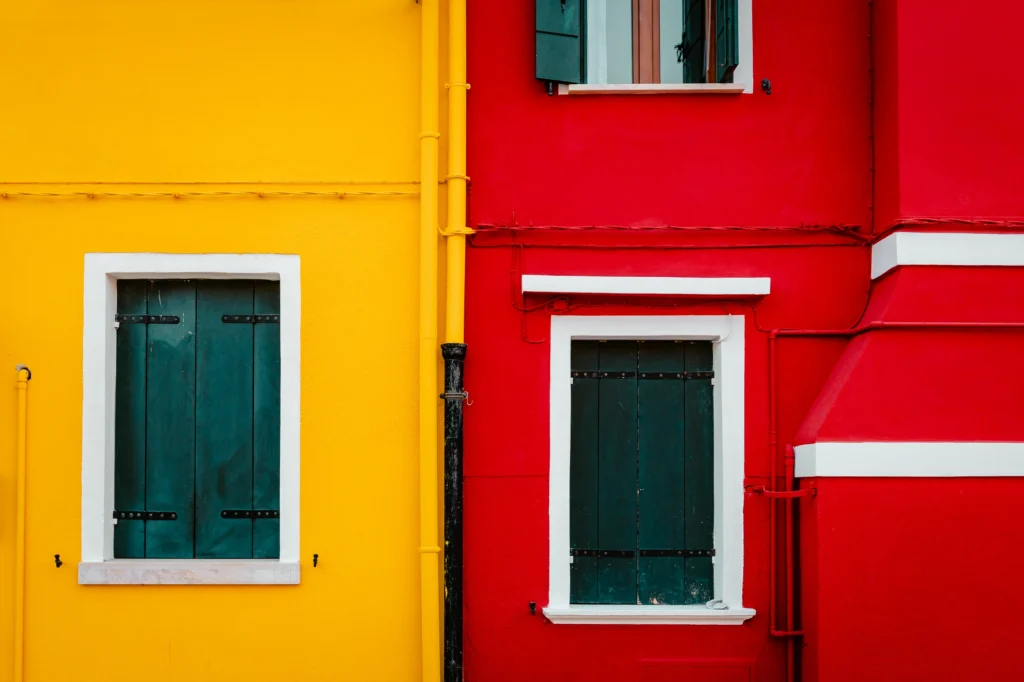
Another important part of understanding what is the difference between interior and exterior paint is recognizing how finish selection affects durability, maintenance, and overall appearance. Paint finishes determine how much light reflects from the surface and how easily it can be cleaned. Interior paint is available in finishes such as flat, matte, eggshell, satin, semi-gloss, and gloss, allowing homeowners to match the finish to the purpose of each room.
Flat finishes help hide wall imperfections, while satin and semi-gloss offer greater durability for kitchens, bathrooms, hallways, and trim. Exterior paint typically uses finishes that balance weather resistance with long-term durability rather than focusing only on appearance. Satin and low-lustre finishes remain popular for siding because they hide minor imperfections while resisting dirt and moisture. Trim, shutters, and doors often receive semi-gloss finishes for additional durability and easier cleaning.
Selecting the proper finish is almost as important as selecting the proper paint because the wrong sheen can highlight surface defects or reduce the coating’s expected lifespan. Homeowners who understand what is the difference between interior and exterior paint make better decisions about both the paint product and the finish that best suits each part of the home.
How To Choose The Right Paint For Your Project
Choosing the correct paint begins with identifying where the surface is located and what conditions it will experience after painting. Interior walls exposed to normal household activity require products that resist stains, clean easily, and maintain consistent color over time. Exterior siding, trim, doors, and other outdoor surfaces require paints formulated to withstand moisture, sunlight, temperature changes, and environmental contaminants.
Surface material also influences product selection because wood, brick, fiber cement, stucco, vinyl, and metal each have different preparation requirements and coating recommendations. Before purchasing paint, homeowners should also evaluate the condition of the existing surface, determine whether primer is required, and confirm compatibility with previously applied coatings.
The U.S. Environmental Protection Agency provides useful information about choosing safer paint products and improving indoor air quality through its Indoor Air Quality resources, helping homeowners make informed decisions during painting projects. Taking time to evaluate these factors makes it much easier to understand what is the difference between interior and exterior paint while ensuring the finished project delivers long-lasting performance.

Professional Advice Helps You Get Better Results
While many painting projects seem straightforward, selecting the right products and preparing surfaces correctly often determines how successful the final result will be. Professional painters understand what is the difference between interior and exterior paint because they work with a wide variety of materials, finishes, and environmental conditions every day. Their experience allows them to recommend coating systems that provide the best durability while matching the appearance homeowners want to achieve. They also identify issues such as moisture damage, deteriorated caulking, peeling paint, or improper previous coatings before they become expensive repairs.
Whether your project involves repainting one room or updating your entire home’s exterior, professional guidance helps eliminate guesswork and improves the lifespan of the finished paint job. If you are planning your next painting project, visit the Contact page to speak with the experienced team at Four Seasons Painting Co. Expert recommendations help ensure every surface receives the right preparation, primer, and paint for beautiful, long-lasting results.
Conclusion
Understanding what is the difference between interior and exterior paint helps homeowners choose products that perform exactly as intended. Although the two paints may appear similar, each is formulated for completely different environments and levels of exposure. Selecting the proper paint improves durability, protects the surface beneath, and reduces future maintenance costs.
Whether you are updating a single room or transforming your home’s exterior, using the right materials is essential for a successful project. If you want professional guidance and lasting workmanship, Four Seasons Painting Co is ready to help you achieve results that look great and stand up to everyday wear and changing weather conditions.