Spray paint often feels dry surprisingly quickly, but the surface may still be soft underneath for hours. In normal conditions, many spray paints become dry to the touch within 20 minutes to one hour, while handling time may take several hours. Full curing can take anywhere from 24 hours to several days, depending on the paint formula, surface, temperature, humidity, and thickness of each coat. Knowing how long does it take for spray paint to dry helps prevent fingerprints, smudges, peeling, and damage caused by handling the project before the coating has hardened properly.
The drying process also happens in stages, which explains why a painted object may feel ready long before it can withstand normal use. Recoat time, handling time, and cure time are not interchangeable. Some products require another coat within a short window, while others need several hours before recoating. When planning how long does it take for spray paint to dry, always check the product label first because manufacturers formulate paints differently. Giving each layer enough time to set produces a smoother surface, stronger adhesion, and a finish that holds up better over time.
How Long Does It Take For Spray Paint To Dry Under Normal Conditions
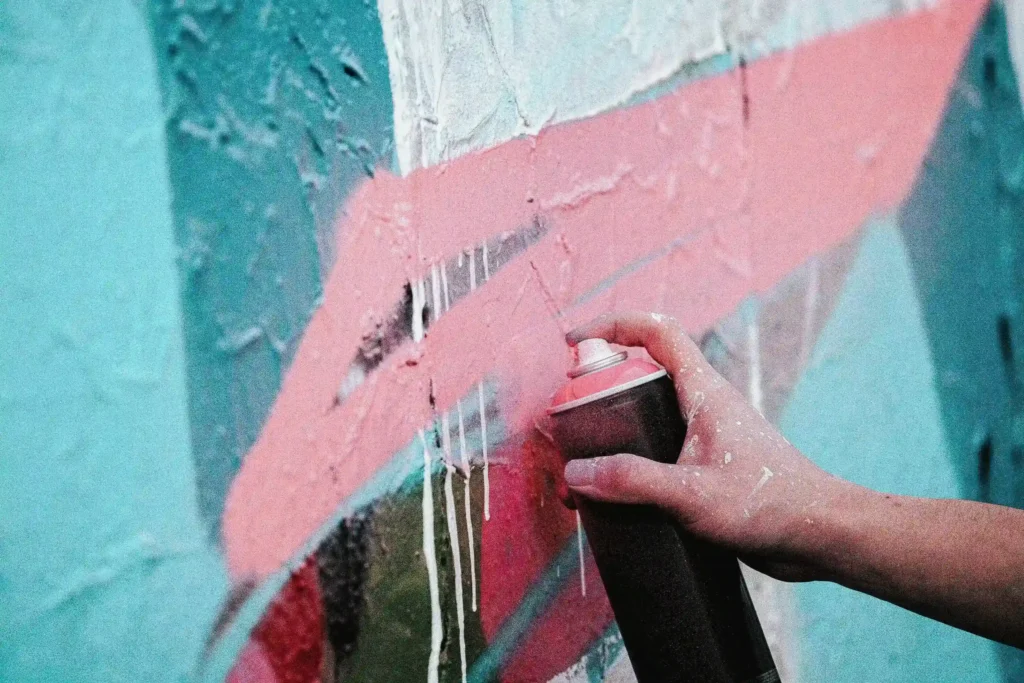
Under moderate indoor or outdoor conditions, most general-purpose spray paints become touch dry within about 20 minutes to one hour. That means you can lightly touch an inconspicuous area without paint transferring to your finger, but the coating is not yet fully hardened. Many products need one to several hours before they can be safely handled, moved, or turned over. When homeowners ask how long does it take for spray paint to dry, this difference between touch dry and handle dry is one of the most important points to understand. Moving an item too early can leave dents, fingerprints, or marks even though the surface no longer feels wet.
Full curing usually takes much longer. Depending on the product, the coating may need 24 to 72 hours or even several days before it develops its final hardness and durability. Oil-based spray paints often cure more slowly than fast-drying acrylic or lacquer formulas. Heavy coats also extend the timeline because solvents trapped beneath the surface need additional time to escape. If you are calculating how long does it take for spray paint to dry for a specific project, follow the manufacturer’s listed dry and recoat times rather than relying on touch alone. Those instructions provide the safest guide for when the next step can begin.
Temperature And Humidity Change Spray Paint Drying Time
Weather and room conditions can dramatically change how quickly spray paint dries. Most products perform best in moderate temperatures with relatively low humidity. Cold conditions slow solvent evaporation, leaving the paint tacky for much longer than expected. Very high humidity creates a similar problem because moisture in the air reduces evaporation. On the other hand, excessive heat can make the surface dry too quickly while lower layers remain soft. When determining how long does it take for spray paint to dry, consider both the air temperature and the temperature of the object being painted. Metal, for example, can become extremely hot in direct sunlight even when the surrounding air feels comfortable.
Air circulation can support more consistent drying, but strong wind is not always helpful. Outdoor wind can carry dust, pollen, and debris onto freshly sprayed surfaces, while powerful indoor fans may cause uneven drying. A clean, well-ventilated area with stable conditions usually produces better results. Homeowners working on painted exterior features can find additional preparation and coating guidance through the Exterior Painting services offered by Four Seasons Painting Co. Understanding how long does it take for spray paint to dry under changing conditions helps you choose a better painting window and avoid unnecessary surface defects.

Different Materials Affect How Fast Spray Paint Dries
The surface receiving the paint can influence drying time almost as much as the paint itself. Spray paint applied to metal often remains wet on the surface longer than paint applied to porous wood because metal does not absorb any of the coating. Plastic can also require additional time, particularly when the product is not specifically designed for plastic surfaces. Wood, cardboard, and other porous materials may feel dry faster because they absorb some liquid from the paint, although porous surfaces can also require primer and extra coats for even coverage. Knowing how long does it take for spray paint to dry therefore requires considering what you are painting, not just which can of paint you purchased.
Surface preparation also makes a difference. Dirt, grease, rust, old loose paint, and glossy finishes can interfere with adhesion and cause areas to dry unevenly. Cleaning the object, sanding when appropriate, and applying a compatible primer create a more consistent base. Thin coats usually dry more predictably than heavy ones because solvents can escape more easily. If the first coat is sprayed too heavily, the top may skin over while the paint underneath remains soft. For anyone learning how long does it take for spray paint to dry, applying several light, even coats is usually a better approach than trying to achieve complete coverage in one pass.
How Long Does It Take For Spray Paint To Dry Between Coats
Recoat timing is different from touch-dry time, and confusing the two can create wrinkles, lifting, or an uneven finish. When deciding how long does it take for spray paint to dry before another coat, always check the instructions printed on the can. Some spray paints allow another light coat within only a few minutes, while others require an hour or more. Certain products also have a specific recoat window. If you miss that window, the manufacturer may recommend waiting much longer before applying more paint. Following the stated schedule allows solvents from the first coat to escape properly and reduces the risk of disturbing paint that has begun to set.
Apply several light coats instead of trying to achieve complete coverage with one heavy layer. Hold the can at the recommended distance and keep it moving steadily so paint does not collect in one area. Heavy buildup can remain soft underneath even when the exposed surface feels dry. Before recoating, inspect the project for tackiness, runs, or areas that still look noticeably wet. If conditions are cooler or more humid than recommended, add extra drying time rather than forcing the next coat. Patience during the recoat stage creates more uniform color, smoother coverage, and better adhesion between layers.
Why Spray Paint Can Stay Tacky Longer Than Expected
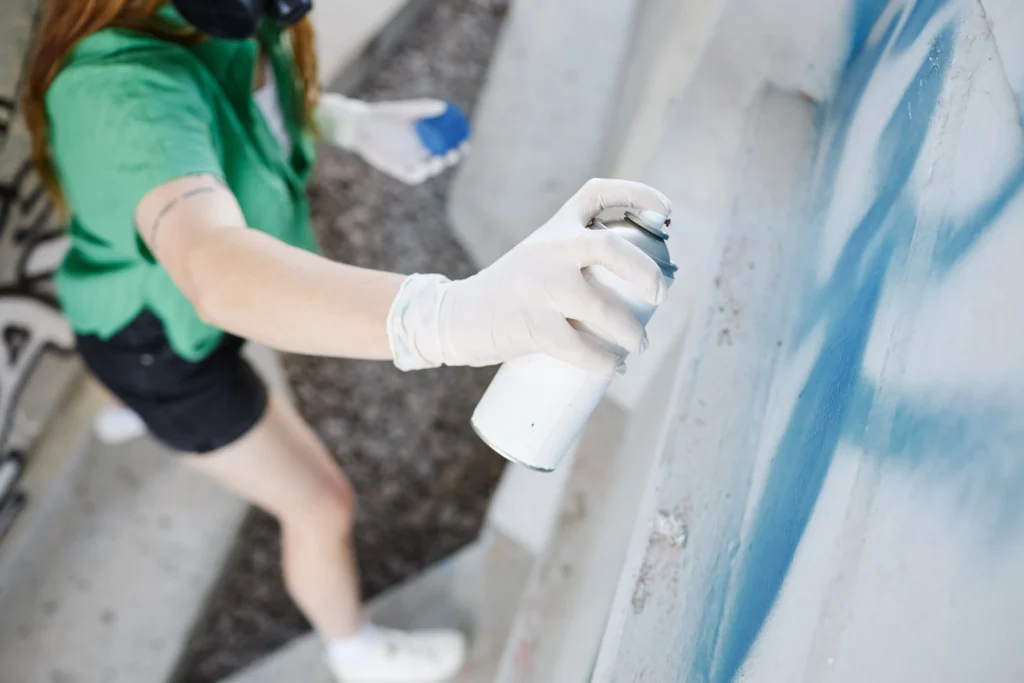
A project that remains sticky hours after spraying usually has a reason. One of the most common causes is applying too much paint at once. Thick layers trap solvents beneath the surface, so the upper layer begins drying while the coating below remains soft. Cold temperatures, high humidity, poor ventilation, and incompatible primers can also extend the drying period. When evaluating how long does it take for spray paint to dry, remember that conditions around the project may differ from the ideal conditions listed on the product. An item painted in a cool garage, for example, may need substantially longer than the same item painted in a warm, dry workspace.
A project that remains sticky hours after spraying usually has a reason. One of the most common causes is applying too much paint at once. Thick layers trap solvents beneath the surface, so the upper layer begins drying while the coating below remains soft. Cold temperatures, high humidity, poor ventilation, and incompatible primers can also extend the drying period. When evaluating how long does it take for spray paint to dry, remember that conditions around the project may differ from the ideal conditions listed on the product. An item painted in a cool garage, for example, may need substantially longer than the same item painted in a warm, dry workspace.
Avoid trying to solve tacky paint by immediately applying another coat. Adding more material usually traps even more solvent and can make the problem worse. Instead, move the item to a suitable well-ventilated location when possible and allow additional time for the coating to harden. The U.S. Environmental Protection Agency explains how volatile organic compounds from products such as aerosol spray paints can affect indoor air and why good ventilation matters during use. Following product safety instructions is just as important as waiting for the coating to dry.
How To Tell When Spray Paint Is Fully Dry And Cured
Touching the surface lightly is not enough to determine whether spray paint has fully cured. A coating may stop transferring to your finger while remaining vulnerable to pressure, scratches, fingerprints, or objects placed against it. When considering how long does it take for spray paint to dry completely, separate four stages: initial drying, touch drying, handling, and curing. Touch-dry paint may be safe for a very light test, while handle-dry paint can usually be moved carefully. Fully cured paint has developed much more of its intended hardness and resistance to normal use. Depending on the formula and environmental conditions, curing may require a full day, several days, or longer.
You can reduce accidental damage by giving freshly sprayed items more time than the minimum whenever the project allows it. Avoid placing heavy objects on painted shelves, reassembling tightly fitting parts, or exposing painted pieces to frequent handling immediately after the surface becomes touch dry. If the item will experience moisture, abrasion, or outdoor weather, waiting for a stronger cure becomes even more important. Understanding how long does it take for spray paint to dry helps homeowners distinguish between a surface that merely appears finished and one that is actually ready for regular use. That extra waiting period can make a noticeable difference in durability.
When A Painting Project Is Better Left To Professionals
Spray cans work well for many small projects, but larger surfaces require greater control over preparation, masking, coating thickness, ventilation, and overspray. Doors, cabinets, extensive trim, siding, and other large areas can quickly become difficult to finish consistently with aerosol products. Knowing how long does it take for spray paint to dry is useful, but drying time alone cannot compensate for poor surface preparation or inconsistent application. Professional painters evaluate the material first, choose compatible primers and coatings, and apply them under conditions that support proper adhesion and curing. They can also determine whether spraying, rolling, or brushing offers the best finish for the particular surface.
If your project has grown beyond a small touch-up, professional help may save time and prevent expensive corrections. Overspray can travel onto floors, landscaping, glass, vehicles, hardware, and nearby surfaces if the work area is not protected correctly. Uneven coats may also require sanding and refinishing before they look consistent. Homeowners in Lake County who want help with a larger painting project can use the Contact page to discuss the work with Four Seasons Painting Co. Understanding how long does it take for spray paint to dry is one part of achieving a durable finish, while experienced preparation and application complete the process.
Conclusion
Knowing how long does it take for spray paint to dry helps prevent smudges, fingerprints, damaged coatings, and problems between coats. Most products feel dry well before they have fully cured, so paint type, coat thickness, temperature, humidity, and surface material must all be considered. Light applications and proper drying conditions usually produce the most dependable results. For larger painting projects where preparation and finish quality matter just as much as drying time, Four Seasons Painting Co provides professional painting services designed to give Lake County homeowners smooth, durable, and attractive finishes.