Painted walls gradually collect dust, fingerprints, food splashes, scuffs, and other marks that can make an otherwise clean room look dull. Learning how to wash painted walls starts with identifying the paint finish, removing loose dust, choosing a mild cleaner, and using as little moisture and pressure as necessary. Eggshell, satin, and semi-gloss finishes generally tolerate cleaning better than flat or matte paint, so the same washing method should not automatically be used throughout the house. Testing a hidden area first can help you avoid discoloration, streaks, or unwanted changes in sheen.
Regular cleaning can refresh painted surfaces and may delay the need for repainting, but technique matters. Saturating walls, using abrasive scrubbers, or applying strong household cleaners can damage an otherwise sound finish. When considering how to wash painted walls, work gradually and treat stubborn stains separately instead of scrubbing the entire surface aggressively. This approach removes everyday buildup while protecting the paint underneath. It also makes it easier to recognize when marks are actually signs of worn paint that cleaning will not correct.
Check The Paint Finish Before Washing The Walls
Before water touches the wall, determine what type of finish you are cleaning. Flat and matte paints have very little sheen and often require the gentlest approach because excessive rubbing can create shiny patches or remove pigment. Eggshell offers slightly more washability, while satin and semi-gloss finishes are generally more resistant to routine cleaning. Kitchens, bathrooms, doors, and trim commonly have more washable coatings because these surfaces encounter frequent moisture and contact. Understanding the finish is an important part of how to wash painted walls because it determines how much cleaning the surface can reasonably tolerate.
If you do not know which paint was used, begin conservatively. Test a mild solution on a small area hidden behind furniture or near a lower corner. Wipe gently, allow the spot to dry, and compare its color and sheen with the surrounding wall. If paint transfers onto the cloth or the tested section becomes noticeably shiny or faded, stop and use a less aggressive method. Older coatings may also be more delicate than newer washable paints. Learning how to wash painted walls safely means responding to the actual condition of the finish instead of assuming every painted surface can withstand the same amount of moisture and scrubbing.
Gather Gentle Cleaning Supplies And Remove Dust First
Most routine wall cleaning does not require an assortment of powerful chemicals. Start with clean microfiber cloths or soft nonabrasive sponges, a bucket of warm water, mild dish soap, and clean towels or drop cloths for protecting the floor. A microfiber duster or vacuum with a soft brush attachment is useful for removing loose debris before washing begins. Avoid rough scrub pads, stiff brushes, and abrasive powders unless the paint manufacturer specifically approves them. Choosing gentle supplies makes how to wash painted walls easier because you can remove ordinary dirt without unnecessarily stressing the coating.
Dust the walls from top to bottom before introducing moisture. Pay attention to corners, baseboards, areas around vents, and the upper portions of walls where cobwebs can collect unnoticed. Washing a dusty wall immediately can turn loose particles into muddy streaks and increase the amount of wiping required. Once the surface is dust-free, homeowners who discover that cleaning cannot restore badly marked or faded walls can explore professional Interior Painting services from Four Seasons Painting Co. Starting with dry cleaning makes the washing stage faster and reduces unnecessary contact with the existing paint.

How To Wash Painted Walls Without Leaving Streaks
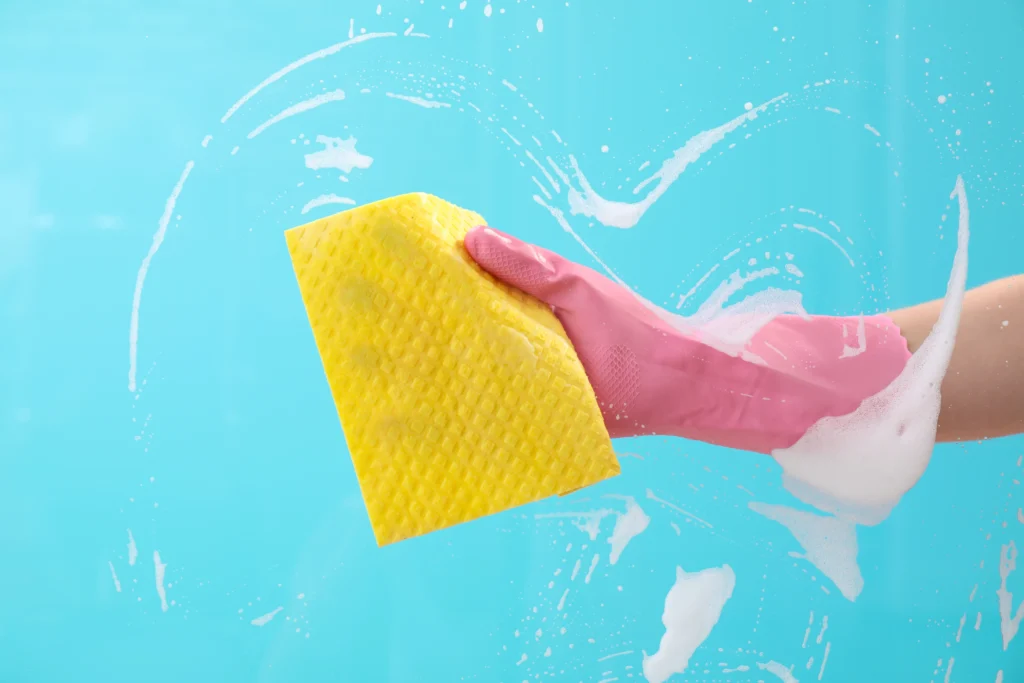
Prepare a mild cleaning solution rather than making the water heavily soapy. Dip a soft sponge or microfiber cloth into the solution and wring it thoroughly so it remains damp rather than dripping. When practicing how to wash painted walls, work in manageable sections and use light, controlled strokes. Avoid soaking drywall or allowing water to run down into baseboards, outlets, switches, or other openings. Frequently rinse or replace dirty cloths because continuing with a soiled sponge simply moves grime from one part of the wall to another.
After washing each section, remove cleaning residue if the product instructions call for rinsing. A separate cloth lightly dampened with clean water can help, provided the existing paint tolerates moisture. Dry obvious drips with a clean towel and allow the wall to air dry before judging the result. Streaks that appear while the surface is wet may disappear after drying, so avoid repeatedly wiping the same area unnecessarily. The best approach to how to wash painted walls uses limited moisture, consistent pressure, and patience. These simple habits help preserve an even appearance while removing the everyday buildup that makes painted rooms look older than they actually are.
Removing Stains And Scuffs Without Damaging Paint
Some marks need more attention than routine washing, especially around light switches, doorways, dining areas, and busy hallways. When deciding how to wash painted walls with stubborn stains, begin with the same mild solution used for general cleaning. Hold a damp microfiber cloth against the mark briefly, then wipe with light pressure. Avoid immediately reaching for abrasive pads or strong chemicals. Scuff marks can sometimes disappear after a few gentle passes, while food residue may need additional time to soften. Treating each stain individually reduces unnecessary rubbing across areas that are already clean.
If a mark remains, check the paint manufacturer’s cleaning recommendations before using a stronger product. Always test unfamiliar cleaners in a hidden area and allow the spot to dry before judging the result. Flat and matte finishes deserve particular caution because aggressive rubbing can create shiny patches. Knowing how to wash painted walls also means recognizing when cleaning should stop. A stain that has penetrated the coating or an area where paint has already worn away may need a touch-up instead. Continuing to scrub can make the damaged section larger and more noticeable.
Pay Extra Attention To Kitchens And High Traffic Areas
Kitchen walls collect a combination of dust, cooking residue, fingerprints, and airborne grease that ordinary rooms may never experience. Areas near the stove and food preparation surfaces often require more careful degreasing, but the cleaner still needs to be compatible with the existing paint. High-traffic hallways, stairways, and children’s rooms present a different challenge because repeated contact leaves handprints and scuffs. When learning how to wash painted walls in these spaces, frequent light cleaning is generally better than waiting until heavy buildup requires aggressive scrubbing.
Choose a suitable cleaner according to its label and keep moisture controlled around electrical outlets and switches. The U.S. Environmental Protection Agency’s Safer Choice program offers information about cleaning products that meet EPA criteria for safer chemical ingredients. Regardless of the product selected, testing it against your particular paint finish remains important. Once cleaned, allow the wall to dry before deciding whether another treatment is needed. Regular maintenance of frequently touched areas can keep rooms looking fresher and reduce the amount of intensive cleaning required later.
Know When Washing Should Give Way To Repainting
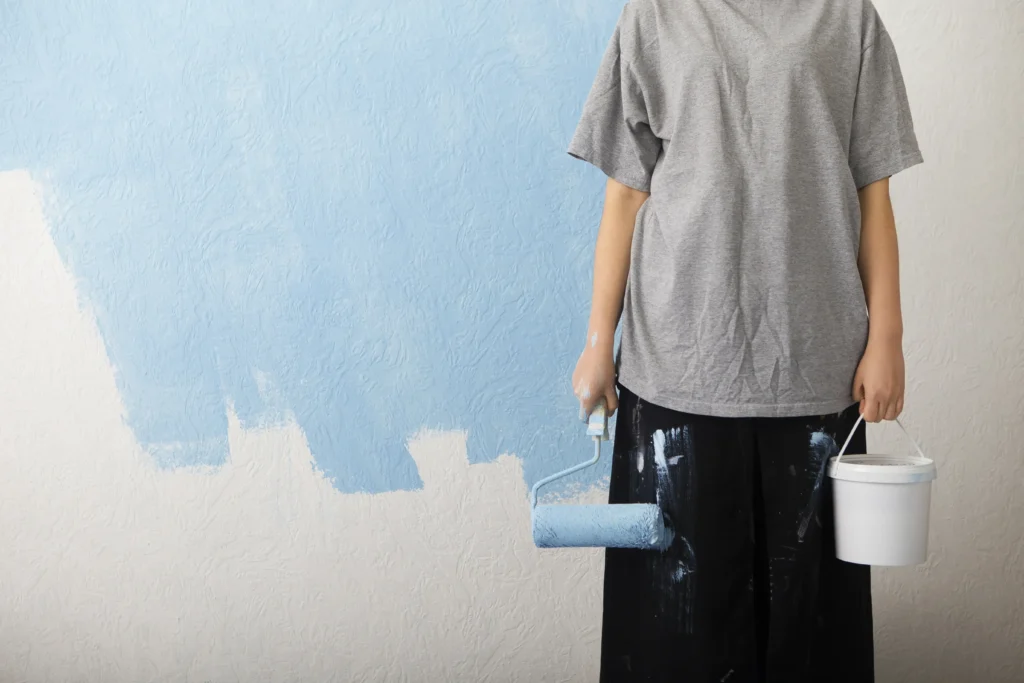
Cleaning can remove surface dirt, but it cannot restore paint that has physically deteriorated. Fading, peeling, deep scratches, permanent stains, widespread scuffs, and polished patches from previous scrubbing may remain visible after the wall is completely clean. If you have followed the correct method for how to wash painted walls and the surface still looks uneven, repainting may provide a better result than another round of cleaning. This is particularly true when several touch-ups would be needed across the same wall because differences in color or sheen can make numerous repairs noticeable.
A repaint also allows you to choose a finish suited to how the room is used. Spaces that need frequent cleaning may benefit from a durable, washable coating, while lower-traffic rooms can prioritize a softer appearance. Before repainting, existing dirt and grease still need to be removed so the new coating has a clean foundation. Lake County homeowners who need help refreshing worn interior surfaces can use the Contact page to discuss their project with Four Seasons Painting Co. Knowing when cleaning has reached its limit prevents unnecessary work and helps you choose a longer-lasting solution.
Conclusion
Learning how to wash painted walls properly can remove everyday dust, fingerprints, scuffs, and stains while protecting the existing finish. Identify the paint sheen first, dust before washing, use mild cleaners, and keep both moisture and scrubbing pressure under control. Treat stubborn marks individually and stop if cleaning begins changing the paint’s color or sheen. When walls are too worn or damaged for washing to restore them, Four Seasons Painting Co can provide professional interior painting services that give Lake County homes a clean, consistent, and refreshed appearance.