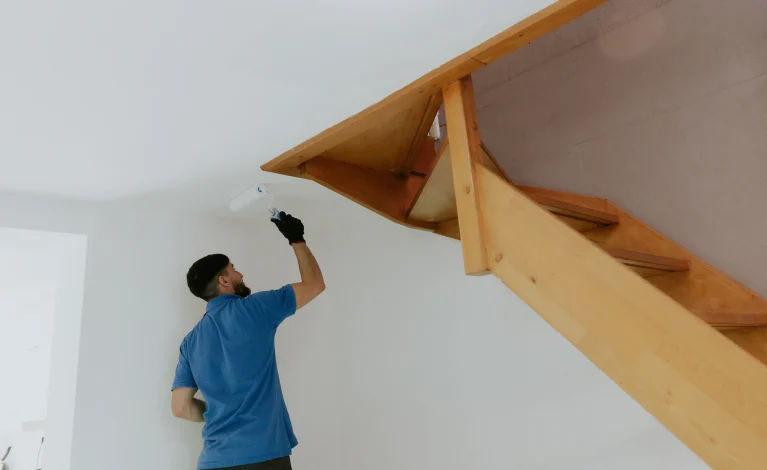
Applying a second coat at the right time is essential for smooth coverage and dependable adhesion. For many water-based paints, the recommended wait is about two to four hours, while oil-based products may require around 24 hours. However, the exact answer to how long to wait between coats of paint depends on the specific product, temperature, humidity, ventilation, surface condition, and thickness of the first coat. Paint that feels dry to the touch may still be too soft underneath for another layer, so the manufacturer’s stated recoat time should always guide your schedule.
Waiting long enough allows moisture or solvents to leave the coating and gives the first layer time to become stable. Recoating prematurely can cause roller drag, uneven texture, lifting, or visible differences in sheen. Waiting somewhat longer than the minimum is usually less problematic than rushing the process, especially in cool or humid conditions. Understanding how long to wait between coats of paint helps homeowners plan projects realistically and gives each layer a better opportunity to create an even, durable finish.
How Long To Wait Between Coats Of Paint For Latex Products
Latex and acrylic paints are common choices for interior walls and ceilings because they dry relatively quickly and clean up easily. Many products allow recoating after approximately two to four hours under suitable conditions. Some specialized formulas may have shorter or longer requirements, so always read the label instead of assuming every water-based coating follows the same schedule. When determining how long to wait between coats of paint, remember that dry-to-touch time and recoat time describe different stages. A wall may stop feeling wet well before the coating is stable enough to accept another full layer.
Application thickness can also change the timeline. A heavy first coat contains more moisture and may take longer to become ready than a thin, uniform application. Corners and areas where the roller deposited extra paint may remain softer than broad sections of the wall. Before recoating, inspect the entire surface rather than testing one convenient location. If portions remain tacky or visibly wet, give them additional time. Following the product’s recommended interval instead of trying to finish faster helps the second coat spread more consistently and reduces the chance of disturbing the first layer.
Oil Based Paint Usually Requires A Longer Wait
Oil-based coatings generally require more patience than latex products. Many need around 24 hours before another coat can be applied, although individual formulations vary. Oil paint hardens through a different process than typical water-based wall paint, which contributes to its longer recoat period. When calculating how long to wait between coats of paint for an oil-based product, avoid assuming that a surface is ready simply because it no longer transfers paint when lightly touched. The layer underneath can remain soft even after the exposed surface appears dry.
Oil-based coatings are often used where a smooth, durable finish is important, making patience between layers particularly valuable. Doors, trim, and similar surfaces can show brush marks, wrinkles, or other imperfections when a second application disturbs a coating that has not hardened enough. Temperature, airflow, and film thickness can extend the stated drying period as well. Homeowners planning broader room updates can explore professional Interior Painting services from Four Seasons Painting Co. Whether painting professionally or independently, following the coating manufacturer’s recoat instructions helps protect the work already completed.

Temperature And Humidity Can Change Recoat Times
Room conditions have a significant influence on how quickly paint becomes ready for another layer. High humidity slows the evaporation of moisture from water-based coatings, while cooler temperatures can extend drying for many types of paint. Poor ventilation may further delay the process. This means how long to wait between coats of paint can be longer than the time printed on the container when conditions fall outside the manufacturer’s preferred range. Bathrooms, basements, and other humid spaces may need extra time, particularly when airflow is limited.
More heat is not automatically better. Excessive temperatures or strong airflow directed at a freshly painted surface can cause uneven drying and affect how the coating levels. Maintain reasonable ventilation and keep the room within the temperature range specified for the product. If the first coat remains tacky after the minimum recoat period, wait rather than forcing the schedule. Checking the weather can also help with exterior projects because temperature and humidity may change substantially throughout the day. Accounting for environmental conditions makes how long to wait between coats of paint easier to judge and helps each coat form a more consistent surface.
What Happens If You Apply The Second Coat Too Soon
Rushing the second coat can create problems that are difficult to correct once the paint dries. Fresh paint may soften the layer underneath, causing the roller or brush to pull at the first coat instead of gliding smoothly across it. This can leave streaks, rough texture, lifted paint, or visible roller marks. When deciding how long to wait between coats of paint, remember that a surface that looks dry may still contain moisture or solvents underneath. Adding another layer before those materials escape can interfere with the way both coats develop.
If you realize the first coat is still tacky, stop rather than trying to finish the room on schedule. Give the surface additional drying time and maintain suitable ventilation. Do not repeatedly touch the wall to test it because fingerprints can mark paint that remains soft. Waiting a few extra hours is usually easier than sanding and repainting damaged sections later. Following the manufacturer’s recoat instructions helps each layer remain intact and gives the final coat a smoother, more uniform appearance.
How To Tell When The First Coat Is Ready
The product label provides the most dependable starting point, but you should also inspect the painted surface before continuing. After the recommended period has passed, look for areas that appear darker, glossy, or visibly wet compared with the rest of the wall. Corners, edges, repairs, and places where paint was applied more heavily may need additional time. Knowing how long to wait between coats of paint involves evaluating the whole surface rather than checking only the driest section. If any substantial area still feels tacky, extending the waiting period is the safer choice.
Good lighting makes this inspection easier because it reveals uneven drying and missed areas before another layer covers them. Avoid pressing firmly into the paint or scratching it to test dryness. Instead, follow the manufacturer’s stated timing and allow extra time when environmental conditions have slowed drying. The U.S. Environmental Protection Agency also provides information about ventilation and volatile organic compounds associated with paints and other household products. Appropriate airflow and suitable room conditions support both the painting process and indoor air quality.
Plan Your Painting Schedule Around Drying Time
A realistic schedule makes painting less stressful and reduces the temptation to recoat prematurely. Before beginning, check the drying and recoat information for the primer and finish paint you plan to use. If the product needs several hours between applications, start the first coat early enough to leave a comfortable window for the next step. When planning how long to wait between coats of paint, include time for cutting in, rolling, cleanup, and inspection rather than counting only the manufacturer’s minimum drying period.
Larger rooms or projects involving several surfaces may be easier to complete over multiple days. This is especially true when primer is required or when doors, trim, ceilings, and walls are being painted separately. Professional scheduling can also help when several rooms need to remain usable during the project. Lake County homeowners who want assistance planning and completing an interior or exterior project can use the Contact page to reach Four Seasons Painting Co. Allowing enough time at every stage helps produce better results than trying to compress preparation, multiple coats, and drying into an unrealistic schedule.
Conclusion
Knowing how long to wait between coats of paint helps prevent lifting, roller marks, uneven texture, and other avoidable finish problems. Many latex paints require roughly two to four hours between coats, while oil-based products often need around 24 hours, but the specific manufacturer’s directions should always take priority. Temperature, humidity, ventilation, and application thickness can extend those times. Giving each layer enough time to dry creates a stronger foundation for the next coat. For homeowners who want professional preparation and a consistent finish, Four Seasons Painting Co provides experienced painting services throughout Lake County, Ohio.