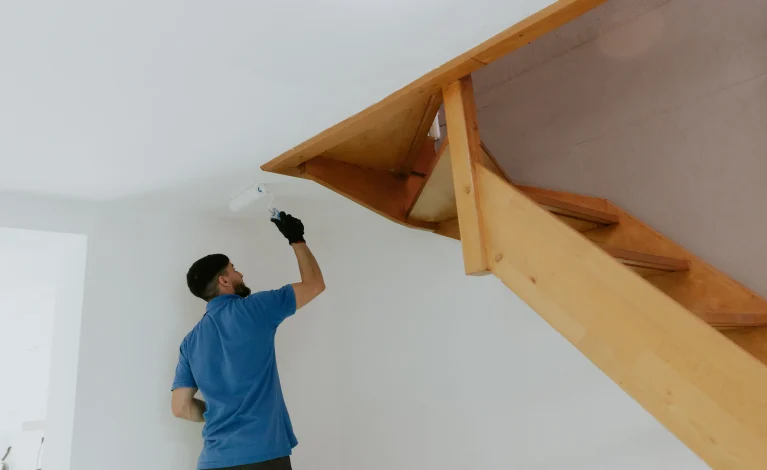
Painting walls and staining stairs are two projects that can dramatically update an interior. However, completing them in the wrong order can create unnecessary cleanup and damage a freshly finished surface. Wall paint can drip onto wood, while stair sanding can spread fine dust across newly painted walls.
So, should you paint the walls before staining stairs? In most cases, completing the major stair sanding and preparation first works best. You can then paint the nearby walls before applying the final stain and protective finish to the stairs. The exact sequence depends on the condition of the staircase, how much sanding is required, and whether the walls need extensive repairs.
Should You Paint The Walls Before Staining Stairs
In many projects, painting the walls before applying the final stair stain is a practical approach. Paint splatters are easier to remove from unfinished or properly protected wood than from a newly stained and finished staircase. Completing the wall painting first also reduces the chance of ladders, brushes, or paint trays damaging a fresh stair finish.
However, this does not mean every part of the wall project should happen before any stair work. If the stairs need stripping or heavy sanding, complete that dusty preparation first. Sanding can cover nearby walls with fine wood dust and may create small marks during repair work. A good sequence is stair repairs and sanding, followed by wall preparation and painting, then stair staining and finishing. When homeowners ask should you paint the walls before staining stairs, this combined approach often offers the best balance between protecting the walls and preserving the finished wood.
Complete Stair Sanding Before Final Wall Painting
Stair preparation can be messy, especially when old coatings need to be removed. Sanding stair treads, risers, rails, or newel posts creates fine dust that can travel into nearby hallways and rooms. Even with dust control, some particles may settle on walls, trim, and other nearby surfaces.
For that reason, finish major sanding before applying the final wall paint whenever possible. Repair loose boards, fill appropriate defects, remove failing finishes, and complete the main sanding process first. Minwax recommends preparing wood by repairing defects, sanding with the grain, and removing sanding dust before stain application in its wood finishing guidance. This preparation supports an even finish and reduces problems later. Deciding should you paint the walls before staining stairs becomes easier when the project is divided into dusty preparation work and cleaner finishing work rather than treating each task as one uninterrupted process.
Repair And Prepare The Walls Next
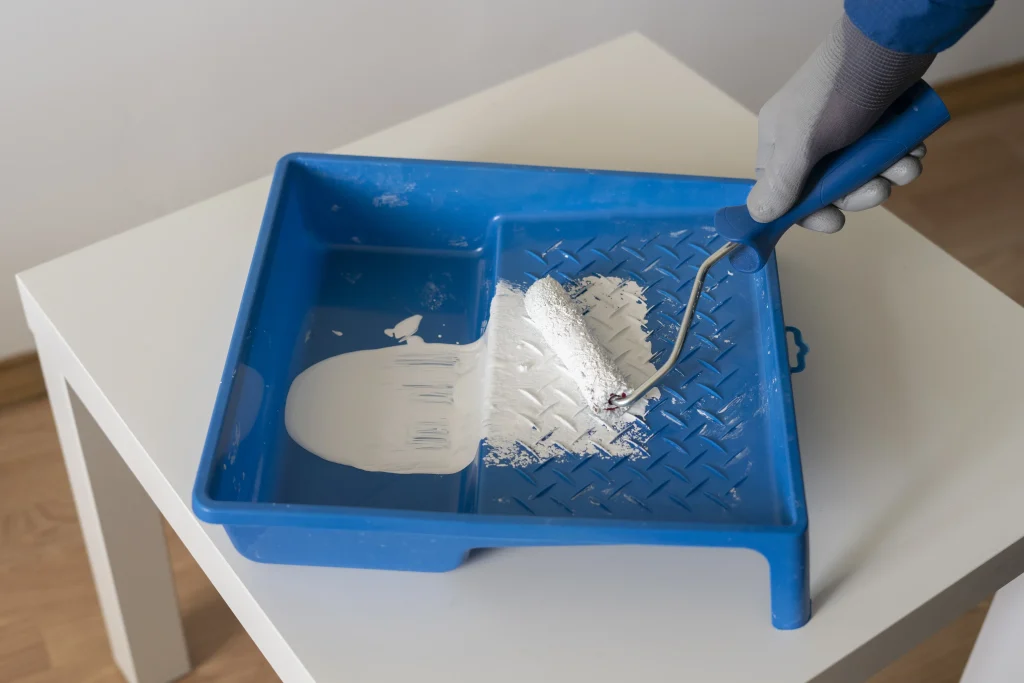
Once the messy stair preparation is complete, turn attention to the surrounding walls. Fill nail holes, dents, and minor cracks, then sand repaired areas smooth. Remove dust from walls, baseboards, and trim before applying primer or paint. This prevents particles from becoming trapped in the new finish.
Homeowners planning a larger renovation may benefit from professional interior painting services when stairways, halls, and connected rooms all need work. Staircases often include tall walls, tight corners, and difficult edges that make painting more demanding than an ordinary bedroom. At this stage, the unfinished stairs should be protected from primer and paint drips with suitable coverings. When considering should you paint the walls before staining stairs, completing wall repairs after stair sanding helps avoid doing the same cleaning and patching work twice. It also leaves the walls ready for their final coats before the staircase receives stain.
Paint The Walls Before Applying Stair Stain
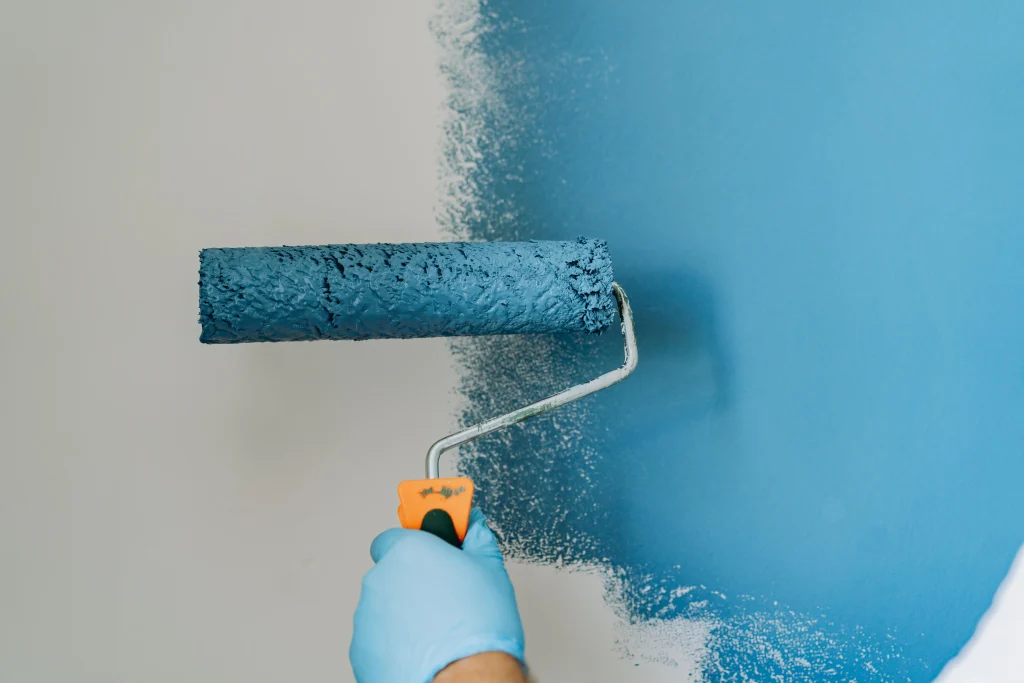
After wall preparation is complete, apply primer where required and paint the walls. Painting at this point allows normal brushes, rollers, ladders, and other equipment to be used without having to work around a newly finished staircase. Cover the prepared wood carefully so paint does not soak into areas that will later receive stain.
Stain penetrates wood rather than simply sitting on the surface like wall paint. A paint splash on bare wood can prevent stain from absorbing evenly if it is not completely removed. Good protection is therefore important even when painting first. Use drop cloths and masking materials that will not leave residue on the stair surface. Work carefully around stringers, trim, railings, and other wood that will be stained. For homeowners asking should you paint the walls before staining stairs, painting first provides an advantage only when the unfinished wood remains clean and protected throughout the wall-painting stage.
Protect Freshly Painted Walls During Staining
Once the walls have dried sufficiently, the staircase can move into the staining stage. Stain is thinner than many wall paints and can splash or drip during application. Protect nearby painted surfaces before opening or stirring the stain. Use painter’s tape and protective materials that are appropriate for the cured wall coating.
Do not rush to tape newly painted walls. Paint may feel dry to the touch before it has developed enough durability for masking materials. Follow the paint manufacturer’s guidance before applying tape to a fresh coating. When staining begins, work carefully along edges where the stairs meet painted walls or trim. Remove excess stain according to the product instructions and avoid allowing it to pool. The answer to should you paint the walls before staining stairs depends partly on this protection step. Painting first can simplify the overall workflow, but careless stain application can still create marks that require wall touch-ups.

Apply Stain Only To Properly Prepared Wood
Before applying stain, inspect the staircase again. Remove any dust that settled during wall painting and check for paint specks, adhesive residue, or other contamination. The wood should be clean, dry, and evenly sanded so the stain can penetrate consistently across each tread and other stained components.
Test the selected stain in a hidden area or on a matching piece of wood before covering the entire staircase. Wood species, sanding technique, and natural grain can all influence the final color. Minwax also recommends testing stain before completing a full wood-finishing project because the wood itself affects the resulting shade. Apply the stain according to its instructions, working consistently with the grain where appropriate. Proper preparation matters more than trying to correct uneven color later. This stage shows why project sequencing and wood preparation should be planned together rather than deciding should you paint the walls before staining stairs based only on which task seems easier.
Allow The Stair Finish To Cure Before Heavy Use
Staining is often followed by a protective clear finish designed for floors or stair surfaces. These coatings need adequate drying and curing time before they can handle normal foot traffic. Rushing the process can lead to marks, dull spots, or damage in areas that receive repeated use.
Plan how household members will move between floors while the staircase is being finished. In some homes, alternating treads may be possible during certain stages, while other projects may require temporarily limiting access. Follow the stain and protective coating manufacturer’s drying and recoat instructions closely. Avoid placing protective coverings over the finish before the product allows it because coverings can interfere with curing or leave impressions. When homeowners consider should you paint the walls before staining stairs, curing time is another reason to finish wall painting earlier. Once the final stair coating is applied, the area can remain relatively undisturbed until the wood finish is ready for use.

Conclusion
The best sequence usually starts with heavy staircase preparation, followed by wall repairs and painting. After the painted walls have dried, the stairs can be cleaned, stained, and protected with their final finish. This order limits sanding dust on finished walls while reducing the chance of wall paint landing on completed stair surfaces.
Larger renovations may require additional coordination when flooring, trim, drywall, and other finishes are being completed at the same time. Professional new construction painting services can also involve careful scheduling around other trades and finish materials. Ultimately, should you paint the walls before staining stairs? In most cases, yes, but only after completing the dusty stair preparation first. Four Seasons Painting Co serves Lake County, Ohio, and can help homeowners coordinate interior painting projects so walls, trim, and surrounding finishes receive proper preparation and a clean final appearance.