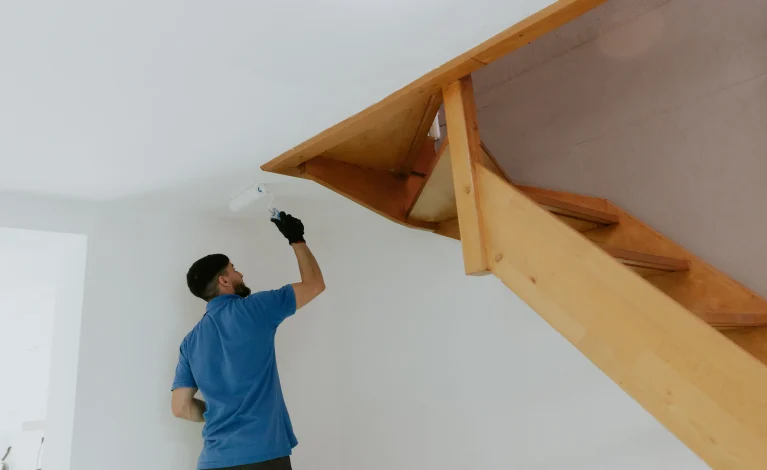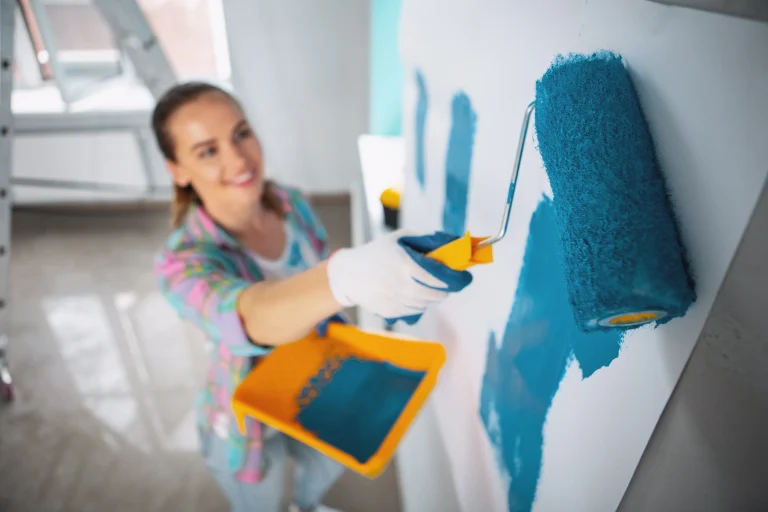
Painting looks simple until uneven coverage, drips, roller marks, or poor adhesion appear. A good result depends on preparation just as much as the paint itself. Cleaning, repairs, surface protection, product choice, application method, and drying time all affect the finished appearance.
Knowing how to paint properly helps homeowners avoid common mistakes and get more consistent results. Whether the project involves an interior room, trim, or an exterior surface, the process should follow a clear order from preparation through final cleanup.
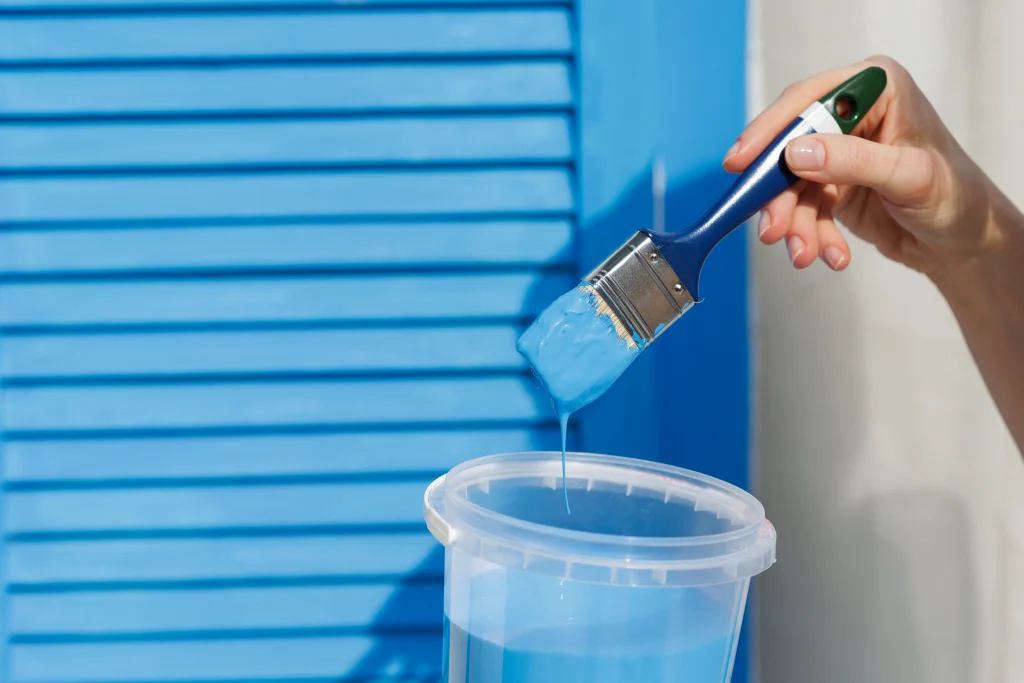
Prepare The Surface Before Painting
Good preparation is the foundation of any successful paint job. Start by inspecting the surface for dirt, grease, dust, cracks, holes, loose paint, and other defects. Interior walls may need light washing and patching, while exterior surfaces may require more extensive cleaning and repairs before painting begins.
Fill suitable holes and cracks, allow repairs to dry, then sand them smooth. Remove sanding dust before applying primer or paint. On exterior projects, clean away mildew, pollen, chalky residue, and other buildup. Professional pressure washing services can help prepare larger outdoor surfaces when heavy contamination is present. Learning how to paint starts with understanding that new paint cannot hide every defect. A clean, stable surface helps the coating bond properly and reduces the chance of peeling, rough texture, or uneven areas appearing later.
Protect Floors, Furniture, And Nearby Surfaces
Before opening the paint, protect everything that should remain clean. Move furniture away from the work area and cover floors with drop cloths. Remove wall decorations, outlet covers, and switch plates when practical. Use painter’s tape around trim, windows, baseboards, hardware, and other edges that need protection.
Exterior projects require similar planning. Cover nearby fixtures, landscaping, concrete, windows, and vehicles if spray equipment will be used. Wind can carry paint farther than expected, so surrounding property should be considered before work begins. Careful protection is an important part of how to paint because cleanup becomes much harder once paint dries on an unintended surface. Do not rely on being careful enough to avoid every drip or splash. Proper coverings allow you to work more efficiently while reducing the risk of damage to flooring, furniture, trim, or outdoor features.

Choose The Right Paint And Tools
Different surfaces and rooms require different products. Interior walls may use flat, eggshell, or satin finishes depending on appearance and washability needs. Bathrooms and kitchens often benefit from more durable finishes, while trim and doors may need a harder coating. Exterior surfaces require paint designed to withstand weather and temperature changes.
Choose brushes, rollers, trays, extension poles, and other tools based on the surface. Smooth drywall usually works well with a shorter-nap roller, while textured walls may need a thicker nap. A quality angled brush can help with corners and trim. Homeowners planning indoor projects can also use professional interior painting services when larger spaces need consistent results. Understanding how to paint well includes matching the coating and tools to the actual surface rather than using the same setup for every project.
Prime Bare Or Problem Surfaces
Primer helps create a uniform surface and improves adhesion in areas where paint may not bond evenly. Bare drywall, exposed wood, patched sections, stains, and some repaired surfaces often benefit from primer before finish paint is applied. Not every wall needs a full primer coat, so follow the coating manufacturer’s recommendations.
Older homes may also require special care before disturbing existing paint. The U.S. Environmental Protection Agency provides official information about lead-safe renovation and painting requirements for pre-1978 properties. Primer should never be used as a shortcut for poor preparation. Dirt, loose paint, and damaged material still need to be corrected first. When learning how to paint, think of primer as part of a complete coating system. Allow it to dry for the recommended period before applying the next coat so the finish can develop properly.
Cut In Before Rolling Large Areas
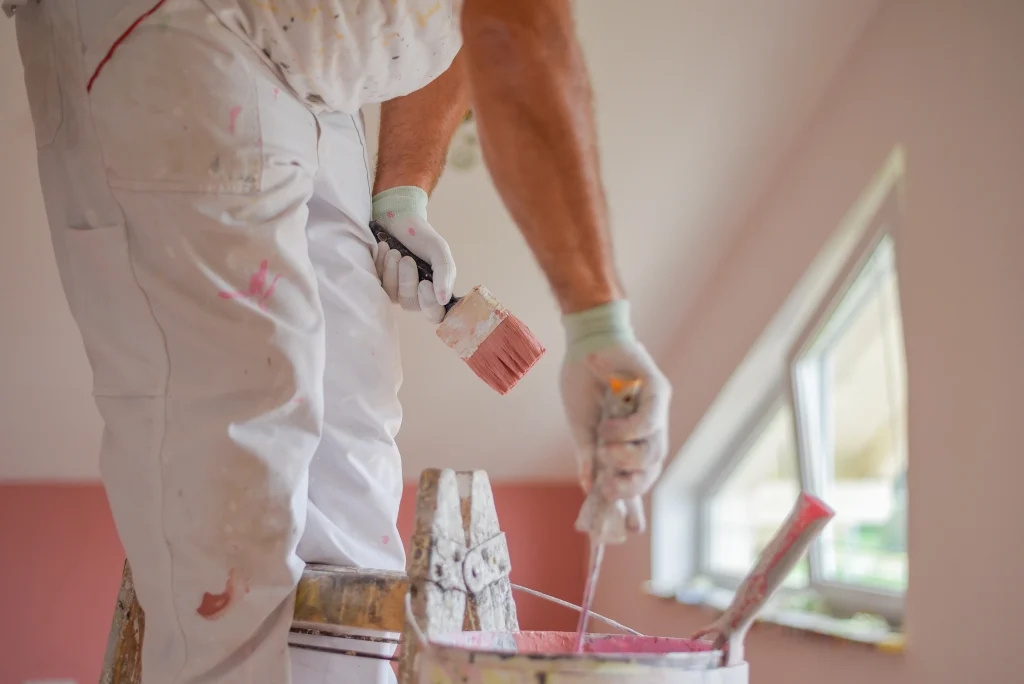
Cutting in means using a brush to paint areas that a roller cannot reach neatly. Start around ceilings, corners, windows, doors, baseboards, and other edges. Apply a controlled band of paint wide enough for the roller to overlap slightly without touching nearby surfaces.
Work on one manageable area at a time so the brushed edges do not fully dry before rolling the main section. This helps the textures blend and reduces visible differences between brushed and rolled areas. Avoid leaving thick ridges of paint around the perimeter because they can remain visible after drying. A steady brush and moderate amount of paint usually provide cleaner results. One of the most useful lessons in how to paint is maintaining consistency between detailed edge work and larger wall sections. Clean cutting-in makes the entire room look more finished even before the second coat is applied.
Roll Or Brush Paint In Even Sections
Load the roller evenly without allowing paint to drip from the cover. Apply paint to the wall in manageable sections and spread it before it begins to dry. Use consistent pressure and avoid pressing hard on the roller. Excessive pressure can create ridges, splatter, and uneven texture.
Maintain a wet edge as you move across the surface. Slightly overlap each new section with the previous one while the paint is still workable. If using a brush on trim or smaller surfaces, use smooth strokes and avoid repeatedly brushing paint that has already started setting. Knowing how to paint effectively is largely about controlling paint thickness and working at a steady pace. Do not stretch the coating too far simply to cover more area. Following the manufacturer’s coverage recommendations helps create a more uniform film and can improve durability after the paint cures.
Allow Proper Drying Between Coats
Paint may feel dry to the touch before it is ready for another coat. Recoat time depends on the product, temperature, humidity, ventilation, and surface. Always follow the manufacturer’s instructions instead of applying the second coat as soon as the first one feels dry.
Inspect the surface before continuing. Look for drips, rough patches, missed areas, or debris that became trapped in the finish. Small defects can often be corrected before the next coat. Most projects benefit from a second coat because it improves color consistency and overall coverage. Applying another layer too soon can disturb the first coat and create texture problems. Patience is an important part of how to paint because rushing drying times can undo careful preparation and application. Stable temperatures and good airflow also help the coating dry and cure more predictably.

Inspect The Finish And Clean Up Properly
After the final coat dries, inspect the painted area in both natural and artificial light. Look for thin spots, roller marks, missed edges, drips, or uneven sheen. Minor touch-ups are easier to complete while the tools and matching paint are still available.
Remove painter’s tape carefully and reinstall switch plates, outlet covers, and hardware once the coating is sufficiently dry. Clean brushes, rollers, trays, and equipment according to the paint manufacturer’s instructions. Store leftover paint in a sealed container for future touch-ups. Learning how to paint also means knowing when a project is too large, difficult, or time-consuming to handle comfortably. Four Seasons Painting Co serves Lake County, Ohio, with professional interior and exterior painting focused on proper preparation, suitable coatings, and clean, consistent application.