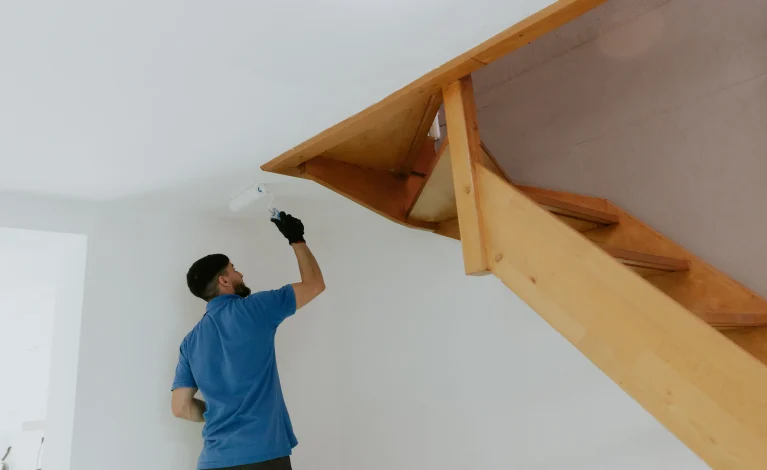
Painting a bedroom can completely change how the space feels without requiring a major renovation. A new color can make the room feel brighter, calmer, warmer, or more modern. However, the final result depends on preparation, product choice, application technique, and drying time.
Learning how to paint a bedroom properly helps prevent common problems such as roller marks, uneven coverage, drips, and rough patches. The process should move in a clear order from protecting the room and repairing walls to cutting in, rolling, recoating, and final cleanup.

Clear And Protect The Bedroom Before Painting
Start by removing wall art, lamps, curtains, small furniture, and anything else that can be moved easily. Push larger furniture toward the center of the room if necessary and cover it completely. Protect the floor with canvas drop cloths or another suitable covering before opening the paint.
Remove outlet covers and switch plates when practical, then use painter’s tape around trim, windows, doors, and other edges that need protection. Good preparation makes how to paint a bedroom easier because you can work without constantly worrying about splashes or accidental contact. Do not depend on careful movement alone to protect flooring or furniture. Rollers can splatter and brushes can drip unexpectedly. Spending extra time preparing the room usually makes the painting stage faster and reduces cleanup afterward.
Inspect And Repair The Bedroom Walls
Look closely at the walls before applying any paint. Nail holes, dents, cracks, loose paint, rough patches, and damaged drywall can become more noticeable after a fresh coat. Fill suitable imperfections with the correct patching compound and allow repairs to dry completely.
Sand repaired areas until they blend smoothly with the surrounding wall, then remove all dust. Clean dirty or greasy spots before painting so the new coating has a stable surface. Homeowners planning several bedroom updates can use professional interior painting services when larger areas need consistent preparation and application. One of the most important parts of how to paint a bedroom is understanding that paint cannot hide poor surface preparation. A clean, smooth wall gives the finish a much better chance to look even after drying.
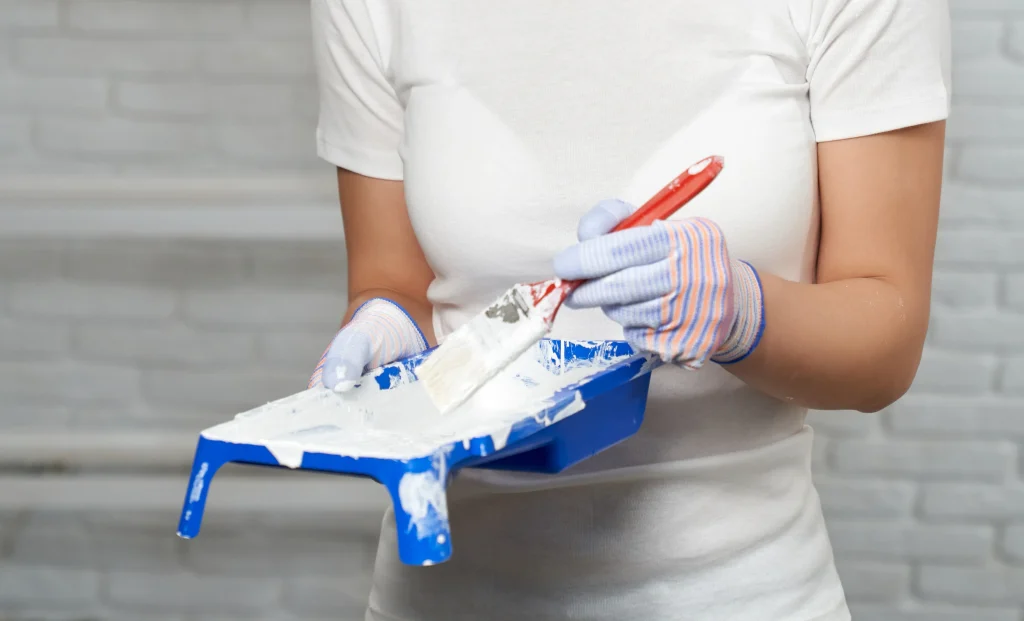
Choose The Right Bedroom Paint And Finish
Bedrooms usually do not need the same heavy-duty finish as kitchens or bathrooms, but the right sheen still matters. Flat and matte paints can help hide minor imperfections, while eggshell finishes provide a little more washability and durability. Satin may work well in children’s rooms or other spaces that need more frequent cleaning.
Color choice should also support the way the room is used. Soft neutrals, muted blues, greens, and warm tones can create a calm feeling, while deeper shades can make the room feel more intimate. When learning how to paint a bedroom, consider both appearance and maintenance before choosing the product. Look at the manufacturer’s coverage, drying, and recoat instructions before purchasing. Buying paint that matches the room’s needs is more important than choosing only by brand or price.
Prime Bare Or Problem Areas When Needed
Not every bedroom needs a full coat of primer. However, bare drywall, repaired areas, stains, exposed patches, and major color changes may benefit from priming before the finish paint goes on. Primer can help create more consistent absorption and improve adhesion.
Older homes may require extra caution before sanding or disturbing existing coatings. The U.S. Environmental Protection Agency provides official information about lead-safe work practices for pre-1978 properties. When deciding how to paint a bedroom in an older home, checking whether special precautions are needed should happen before scraping or sanding. Primer should not be used as a shortcut for cleaning or repairs. The surface still needs to be sound, dry, and free from loose material before any coating is applied.
Cut In Around The Bedroom First
Use an angled brush to paint around the ceiling line, corners, windows, doors, baseboards, and other edges that a roller cannot reach cleanly. This process is called cutting in. Apply a narrow, controlled band of paint that the roller can overlap slightly.
Work on one manageable wall at a time so the brushed edge remains relatively fresh when rolling begins. This helps the textures blend more naturally. Avoid leaving thick ridges of paint around the perimeter because they can remain visible after drying. Learning how to paint a bedroom successfully involves creating a consistent finish between brushwork and roller application. Keep enough paint on the brush for smooth coverage but not so much that it drips. Check corners and trim edges while the paint is still wet so small problems can be corrected immediately.
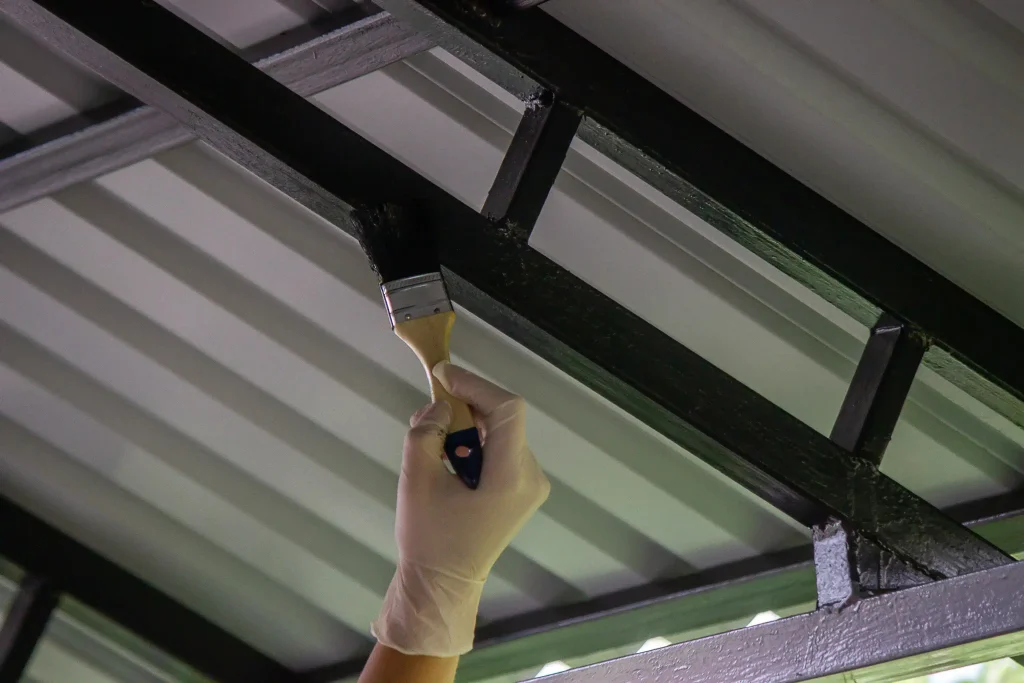
Roll The Walls In Manageable Sections
Load the roller evenly and remove excess paint using the tray or screen before applying it to the wall. Start several inches away from the edge and spread the paint across a manageable section. Use controlled vertical or slightly angled passes instead of random movements.
Maintain a wet edge by overlapping each new section slightly with the previous one. Use steady pressure and avoid pressing hard on the roller because this can create ridges, splatter, and uneven texture. A key part of how to paint a bedroom is keeping the same rhythm from one section to the next. Avoid repeatedly rolling over paint that has already started to dry. Complete one wall whenever possible before taking a long break so the finish dries more consistently and visible lap marks are less likely to develop.
Allow Proper Drying Before The Second Coat
The first coat may look patchy while it dries, especially when the new color differs significantly from the old one. Allow it to dry for the full recoat period listed by the paint manufacturer before deciding whether another coat is needed.
Before applying the second coat, inspect the wall for drips, rough areas, missed spots, or dust trapped in the finish. Correct minor imperfections and remove any loose material before continuing. Most bedrooms benefit from a second coat because it improves color consistency and overall coverage. Patience is important when learning how to paint a bedroom because recoating too soon can disturb the first layer and create texture problems. Stable room temperature and good airflow can also help the paint dry more predictably between coats.
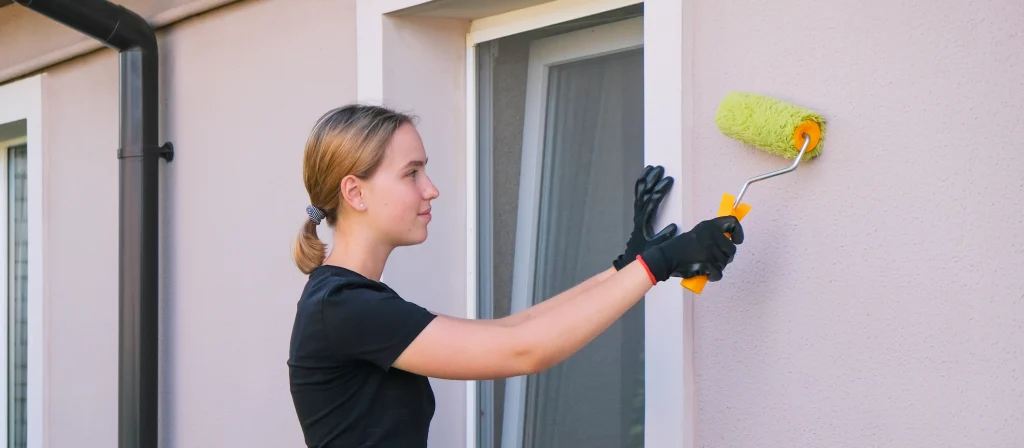
Inspect The Bedroom And Finish The Cleanup
After the final coat has dried, inspect the room in both daylight and artificial light. Look for thin areas, roller marks, missed edges, drips, or uneven sheen. Small touch-ups are easier to handle while the matching paint and tools are still available.
Remove painter’s tape carefully, then reinstall switch plates, outlet covers, curtains, and other items after the coating has dried sufficiently. Clean brushes, rollers, trays, and reusable equipment according to the paint manufacturer’s instructions. Understanding how to paint a bedroom means knowing that good results come from preparation, consistent application, and enough drying time between coats. Four Seasons Painting Co serves Lake County, Ohio, with professional interior painting focused on careful preparation, clean application, and consistent finishes.