Fresh paint can completely change the feel of a room, but the final result depends heavily on choosing the right product for the space. Many homeowners focus only on color selection and overlook how paint type, finish, durability, and lighting conditions affect long-term appearance. That is usually when the question which paint is best for interior walls becomes much more important than expected. Some paints clean easily but highlight wall imperfections, while others hide flaws well but struggle in high-traffic areas. Moisture, lighting, pets, children, and daily wear all influence how paint performs over time. Understanding how different paints behave in different rooms helps homeowners avoid peeling, fading, scuffing, and uneven finishes after the project is complete.
Which Paint Is Best For Interior Walls In Most Homes
Homeowners researching which paint is best for interior walls often discover that no single paint works perfectly for every room in the house. The best option usually depends on traffic levels, moisture exposure, lighting conditions, and how often the walls need cleaning. High-quality latex and acrylic paints remain the most popular choices because they provide strong durability, easy maintenance, and lower odor levels than older oil-based products. Modern interior paints also resist fading and cracking better than many traditional formulas. Choosing the correct finish matters just as much as choosing the right paint type because sheen affects both appearance and long-term performance inside the home.
Why Latex And Acrylic Paints Are So Popular
Latex and acrylic products dominate conversations about which paint is best for interior walls because they balance durability, appearance, and ease of use extremely well. Water-based paints dry faster, produce fewer odors, and clean up easily compared to oil-based alternatives. Acrylic paints also offer stronger flexibility and adhesion, making them especially useful in rooms where humidity or temperature changes occur more frequently. Kitchens, bathrooms, and busy family spaces often benefit from acrylic-enhanced coatings because they tolerate moisture and cleaning better over time. Homeowners updating multiple rooms frequently choose high-quality latex paints because they maintain color consistency while remaining practical for everyday living.
Paint Finish Changes How Walls Perform
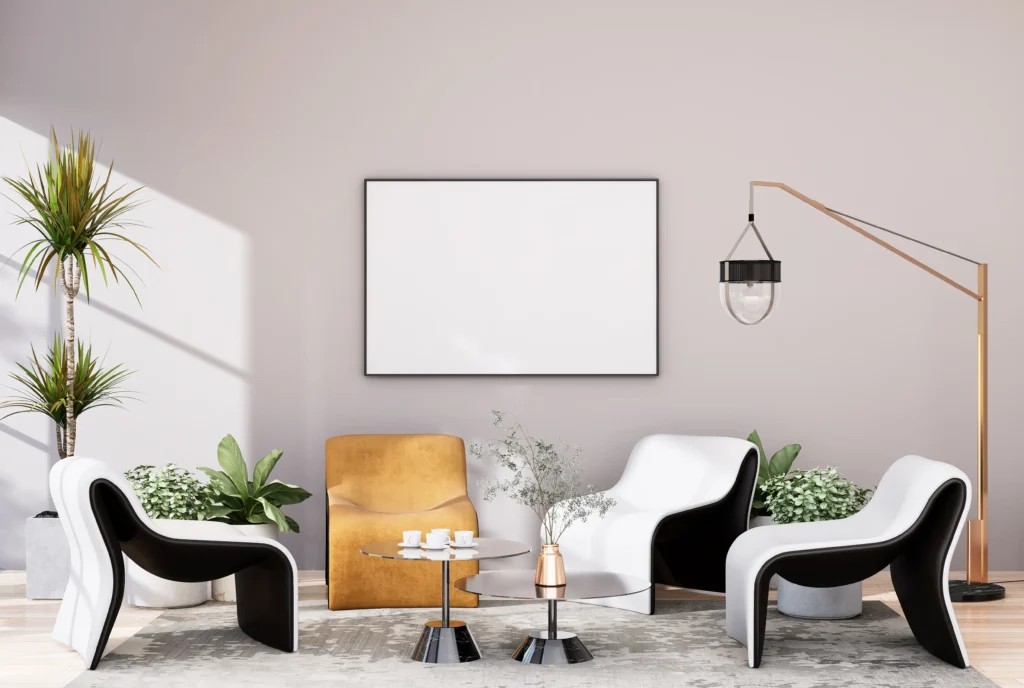
Finish selection plays a major role when deciding which paint is best for interior walls because sheen directly affects washability, durability, and the visibility of imperfections. Flat and matte finishes hide dents and uneven textures well, making them popular for ceilings and lower-traffic rooms. Eggshell finishes provide a slight sheen while still helping disguise minor wall flaws. Satin finishes resist moisture and fingerprints more effectively, which makes them common in hallways, kitchens, and bathrooms. Higher-gloss finishes reflect more light and clean easily, but they also highlight surface imperfections much more noticeably. Choosing the right finish helps balance appearance with long-term maintenance needs throughout the home.
Different Rooms Need Different Paint Performance
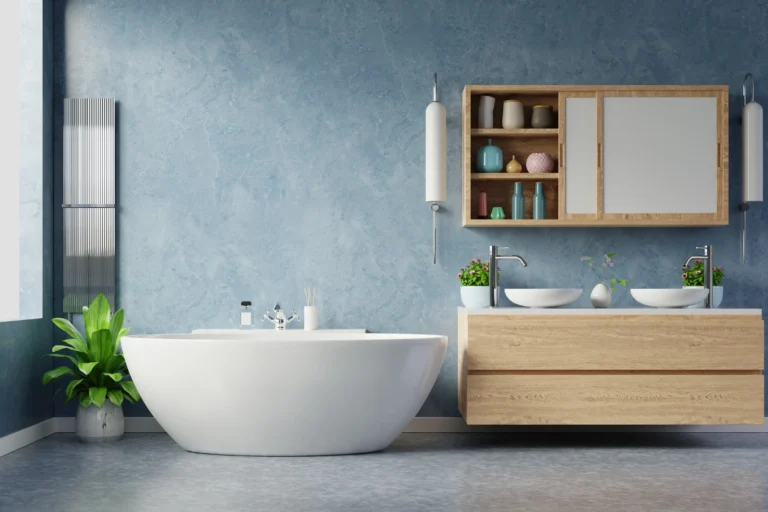
The answer to which paint is best for interior walls changes depending on the room being painted because every space experiences different levels of wear and moisture exposure. Bedrooms and living rooms usually benefit from softer finishes that create warmth and minimize glare. Bathrooms and kitchens require stronger moisture resistance and easier cleaning due to humidity and daily use. Hallways, staircases, and entryways often experience fingerprints, scuffs, and repeated contact, making durable satin or washable finishes more practical. Matching paint performance to room conditions helps homeowners avoid premature wear and reduces the need for frequent repainting later.
Color Selection And Lighting Work Together
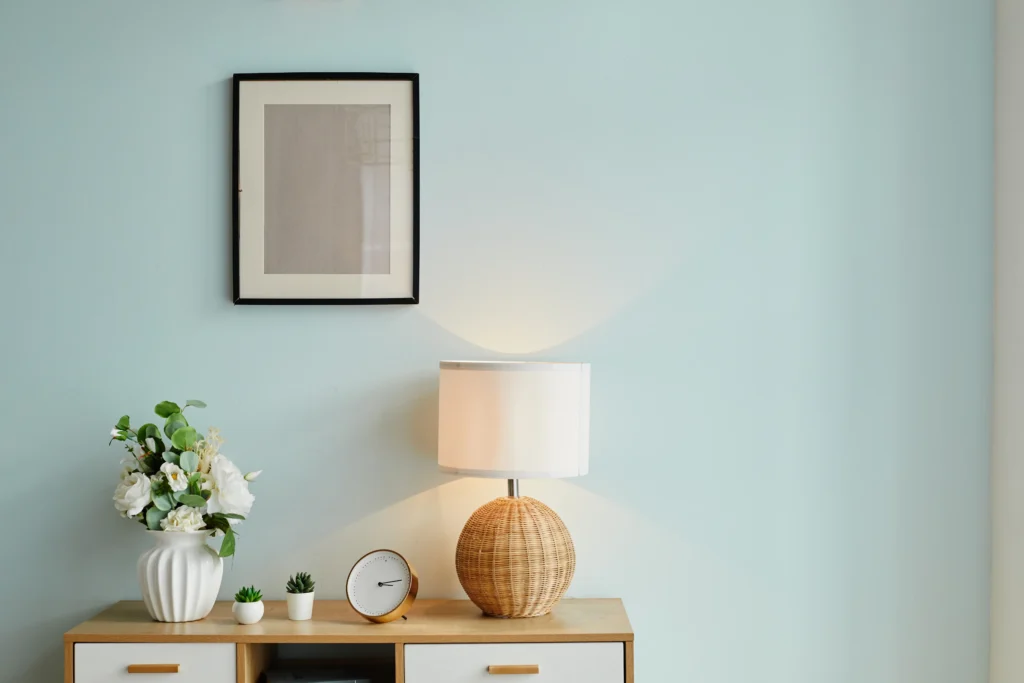
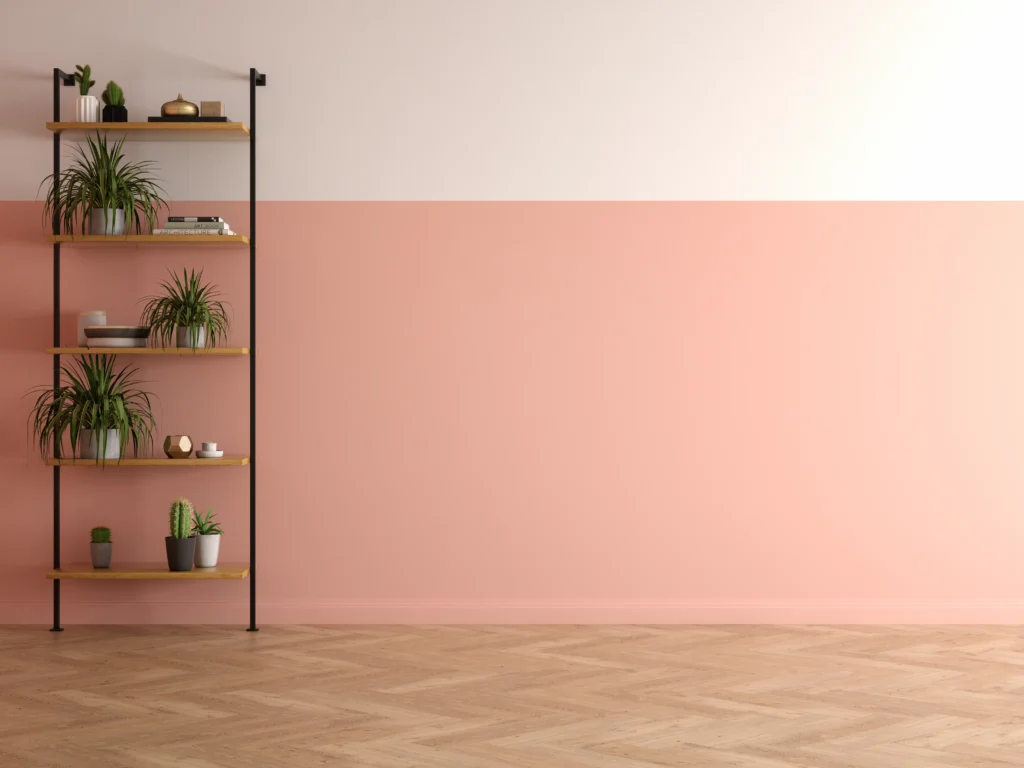
Paint color may look completely different depending on natural light, artificial lighting, and room orientation. Homeowners choosing which paint is best for interior walls should always test samples under different lighting conditions before committing to a full project. Warm colors often create a comfortable and inviting atmosphere, while cooler tones produce a calmer and more modern appearance. Darker shades can make large rooms feel cozier, while lighter tones help smaller spaces feel more open. Lighting also changes how sheen appears throughout the day, which is why testing samples directly on the wall provides more reliable results than relying only on small color swatches.
Preparation Strongly Affects Final Results
Even the highest-quality product will struggle if surfaces are not prepared correctly before painting begins. Homeowners researching which paint is best for interior walls sometimes underestimate how important preparation is to long-term durability. Walls should be cleaned thoroughly to remove dust, oils, and residue that interfere with adhesion. Holes, cracks, and uneven areas should be patched and sanded before primer and paint are applied. Primer helps seal repaired surfaces, improves adhesion, and creates more even color coverage across the room. Homeowners planning larger interior updates can also review Interior Painting Mistakes to Avoid for a Perfect Look to better understand how preparation influences overall paint performance.
Premium Paint Usually Delivers Better Long-Term Value
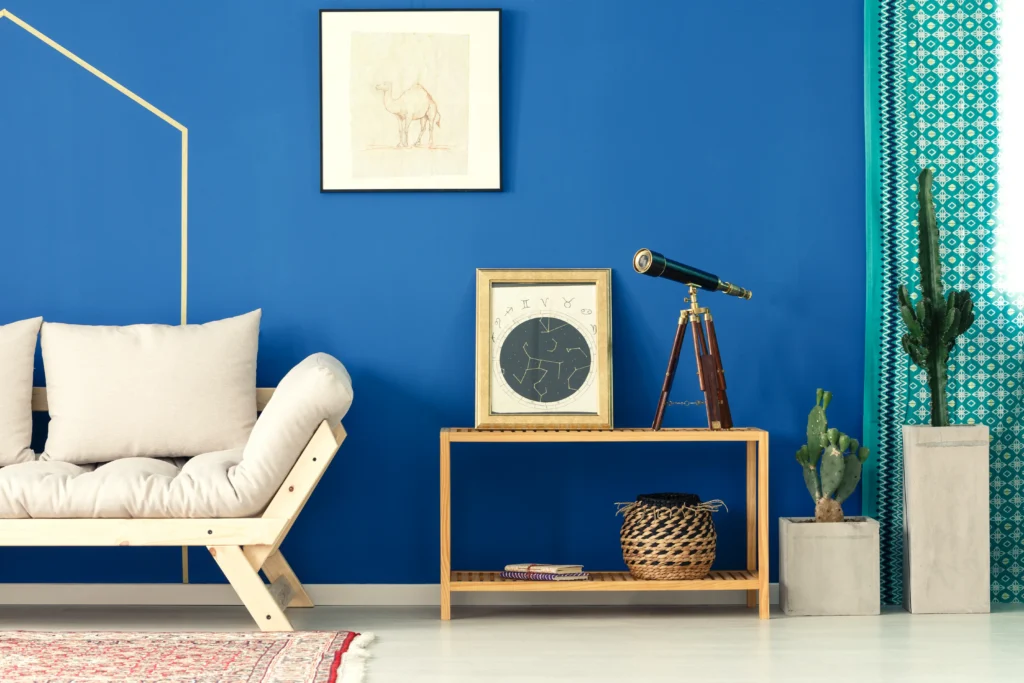
Price differences often influence decisions about which paint is best for interior walls, but lower-cost products do not always provide the best long-term value. Premium paints typically contain higher-quality pigments and resins that improve coverage, durability, and stain resistance. Better paint may require fewer coats, reducing labor and material usage during the project. Higher-end coatings also tend to resist fading, peeling, and scuffing more effectively over time. While premium paint costs more initially, homeowners often save money later by avoiding frequent touch-ups or repainting. Investing in quality materials usually produces smoother finishes and more consistent results overall.
Low VOC Paints Improve Indoor Air Quality
Modern paint technology has changed how homeowners approach which paint is best for interior walls because many people now prioritize healthier indoor air quality. Low-VOC and zero-VOC paints release fewer chemical emissions during drying and curing, reducing odors and improving comfort inside the home. These products are especially beneficial in bedrooms, nurseries, and homes with children or individuals sensitive to strong fumes. According to the EPA guidance on indoor air quality and VOCs, reducing volatile organic compounds indoors can help create healthier living environments. Many premium paint manufacturers now offer low-VOC products without sacrificing durability or finish quality.
Professional Painters Help Avoid Costly Mistakes
Professional painters approach which paint is best for interior walls differently because they evaluate lighting, surface condition, room usage, and long-term durability before recommending products. Experienced painters also understand how finishes react under different lighting conditions and how preparation affects final appearance. Proper application techniques help reduce streaks, roller marks, uneven sheen, and premature wear. Homeowners planning larger painting projects may also benefit from reviewing Interior Painting services to better understand how professional preparation and product selection contribute to smoother and more durable results throughout the home.

Conclusion
Understanding which paint is best for interior walls involves much more than selecting a color because paint type, finish, durability, lighting, and room conditions all affect long-term performance. Choosing products designed for the specific needs of each space helps improve appearance while reducing future maintenance issues like scuffing, peeling, or fading. High-quality paints combined with proper preparation create smoother finishes and longer-lasting results throughout the home. For homeowners looking for professional guidance and reliable interior painting results, Four Seasons Painting Co provides expert painting services focused on durable finishes, careful preparation, and clean workmanship designed to improve both comfort and appearance inside every room.