Bathrooms create some of the toughest conditions for interior paint. Steam, condensation, splashes, frequent cleaning, and limited ventilation can all affect how long a coating lasts. Choosing the wrong paint can lead to peeling, staining, mildew growth, or a finish that becomes difficult to clean.
So, what type of paint for bathroom surfaces works best? In most cases, a moisture-resistant interior paint with a satin or semi-gloss finish is a strong choice. The best option still depends on ventilation, surface condition, and how heavily the room is used.
Choose Moisture-Resistant Interior Paint
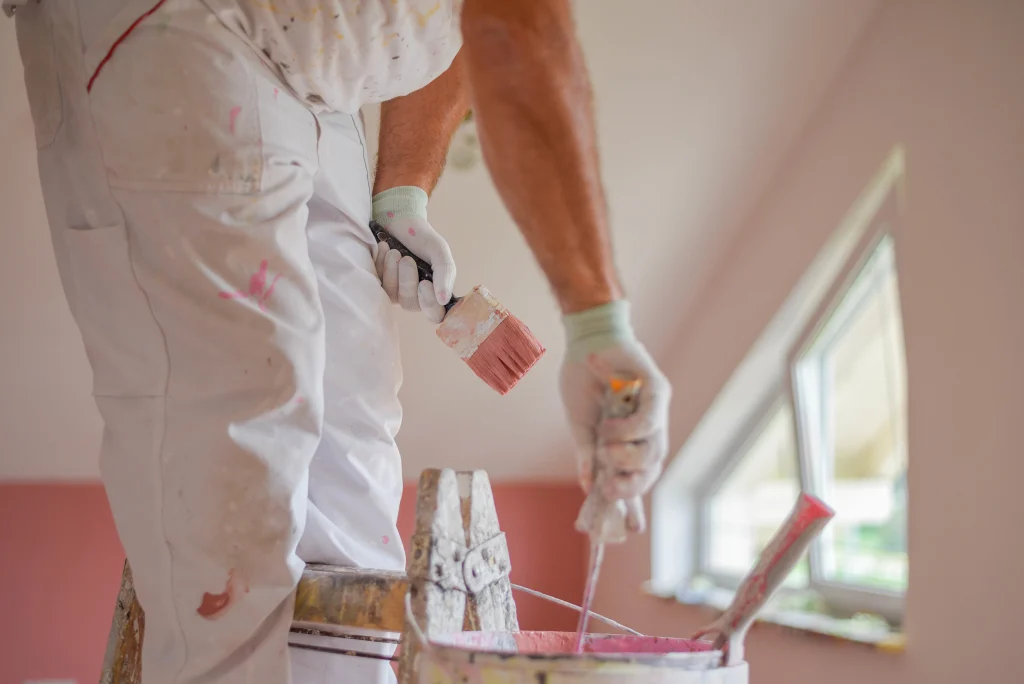
Bathrooms need paint that can handle more moisture than a typical bedroom or living room. Look for interior coatings designed for kitchens, bathrooms, or other high-humidity areas. These products are usually formulated to resist moisture better and hold up to repeated cleaning.
When deciding what type of paint for bathroom walls to use, avoid selecting a coating based only on color. The product should be designed for indoor use and suitable for the level of humidity in the room. Bathrooms with poor ventilation may place even more stress on the finish. A moisture-resistant coating gives the wall a better chance of maintaining adhesion and appearance over time. Proper surface preparation and ventilation still matter because even the right paint can struggle if moisture remains trapped behind the surface.
Satin And Semi-Gloss Finishes Work Well
Satin and semi-gloss finishes are common choices for bathrooms because they provide more washability and moisture resistance than flat paint. Satin offers a softer appearance, while semi-gloss reflects more light and usually handles repeated cleaning more easily.
The right sheen depends on the look you want and how much moisture the room receives. When homeowners ask what type of paint for bathroom walls is best, satin often works well for most spaces, while semi-gloss can be useful in areas that need more frequent cleaning. Keep in mind that shinier finishes can highlight wall imperfections more clearly. If the drywall has dents, patches, or uneven texture, extra preparation may be necessary before applying a higher-sheen coating.
Avoid Flat Paint In High-Moisture Areas
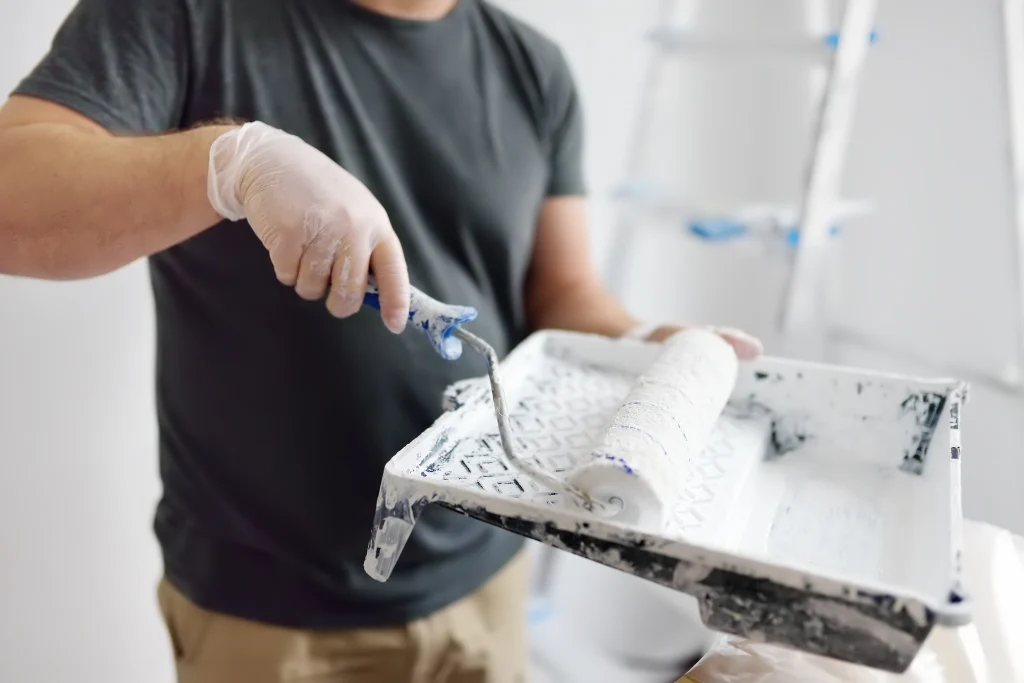
Flat paint can create a soft, smooth appearance, but it is usually less practical in a bathroom. It tends to absorb moisture more easily and may be harder to clean without leaving marks. In rooms with frequent steam or splashes, this can shorten the life of the finish.
There are some modern washable matte products that perform better than traditional flat paint, but the product should specifically be rated for bathroom use. When determining what type of paint for bathroom surfaces to choose, read the product specifications instead of relying only on sheen names. A standard flat paint meant for low-traffic areas is usually not the best fit for a humid bathroom. The coating needs to balance appearance, washability, and moisture resistance.
Look For Mildew-Resistant Formulations
Bathrooms are more likely than many other rooms to develop mildew because of humidity and condensation. A mildew-resistant coating can help reduce the chance of growth on the painted surface when the room is properly ventilated and maintained.
The U.S. Environmental Protection Agency provides official information about mold and moisture control in indoor environments. The EPA emphasizes controlling moisture as the key to managing mold problems. That means paint alone cannot solve a persistent ventilation or leak issue. When deciding what type of paint for bathroom walls to use, a mildew-resistant product is helpful, but the bathroom still needs adequate airflow and moisture control. Fix leaks, use exhaust fans, and allow wet surfaces to dry whenever possible.
Prepare Bathroom Walls Before Painting
Bathroom walls often contain soap residue, dust, moisture stains, and buildup from everyday use. Clean the surface thoroughly before painting and allow it to dry completely. Peeling or damaged coatings should be removed, and cracks or holes should be repaired.
If mildew is present, address the moisture source before applying fresh paint. Homeowners planning a larger update can use professional interior painting services when bathroom walls need repair, preparation, and repainting. Proper preparation is an important part of choosing what type of paint for bathroom projects because even a premium moisture-resistant coating can fail on a dirty or unstable surface. A clean and dry wall helps the new finish bond more effectively.

Use Primer When The Surface Needs It
Primer can help when bathroom walls have stains, bare drywall, repaired sections, or previous adhesion problems. A suitable primer creates a more consistent surface and can improve the performance of the finish coat.
Not every bathroom needs a full primer coat, so follow the paint manufacturer’s recommendations. If water stains are present, make sure the source of the moisture has been corrected before priming. When asking what type of paint for bathroom walls is best, remember that the coating system includes preparation and primer as well as the final paint. Applying expensive finish paint over a damaged or poorly prepared wall will not produce a durable result. The base surface must be stable first.
Ventilation Matters As Much As Paint Choice
Even the best bathroom paint can struggle in a room that stays damp for long periods. Exhaust fans, open doors, and proper airflow help reduce condensation after showers and baths. This protects the paint and other bathroom surfaces from prolonged moisture exposure.
A good exhaust fan should vent moisture outdoors rather than into an attic or enclosed space. When considering what type of paint for bathroom walls to use, think about how quickly the room dries after normal use. If mirrors, ceilings, and walls remain wet for long periods, ventilation may need improvement. Paint provides protection, but it cannot replace moisture control. Combining the right coating with proper airflow gives the bathroom finish a much better chance of lasting.
Choose A Product That Matches The Bathroom Conditions
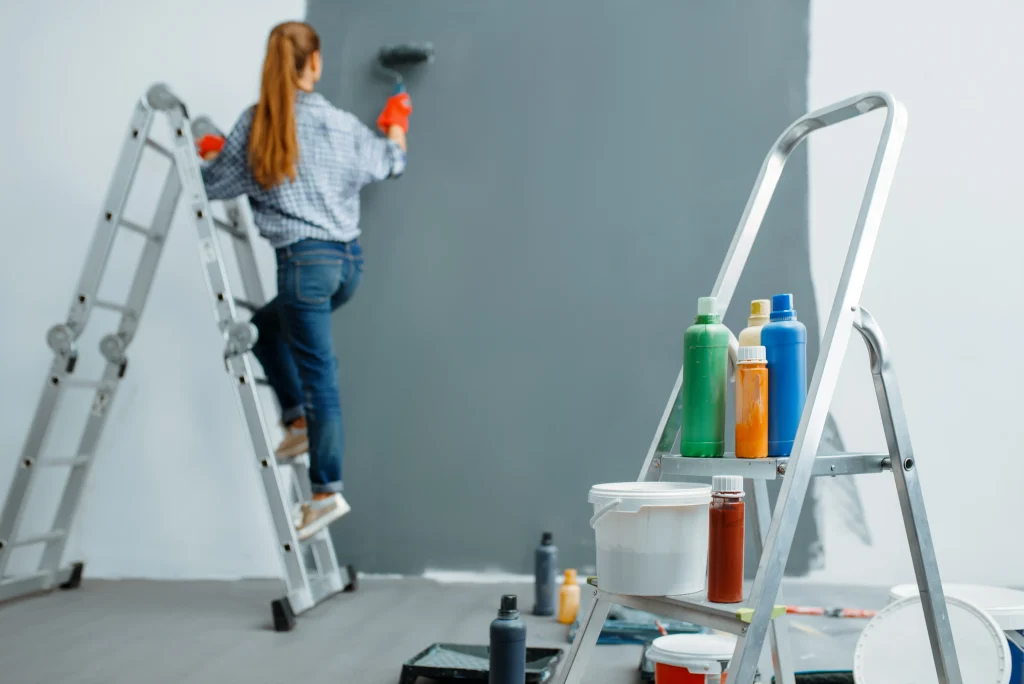
For most bathrooms, a quality moisture-resistant interior paint in satin or semi-gloss is a practical choice. Bathrooms with stronger ventilation and lighter use may have more flexibility, while high-humidity spaces need coatings designed for frequent moisture and cleaning.
So, what type of paint for bathroom walls should you choose? Focus on moisture resistance, washability, mildew resistance, and the condition of the surface. The right paint should support the room’s actual environment rather than simply match a preferred color. Four Seasons Painting Co serves Lake County, Ohio, with professional interior painting focused on proper preparation, suitable coatings, and clean application for bathrooms and other interior spaces.