Many homeowners dream of transforming their kitchen without the high cost of a full remodel. One of the simplest and most effective ways to achieve that fresh look is by painting your cupboards. Yet one question always comes first which is how much to paint kitchen cupboards? The answer depends on a range of factors including kitchen size, surface condition, materials, and labor. In this article, we’ll explore those variables in detail so you can understand what goes into the price and how to get the best value from your cabinet painting project.
Why homeowners choose to paint cupboards
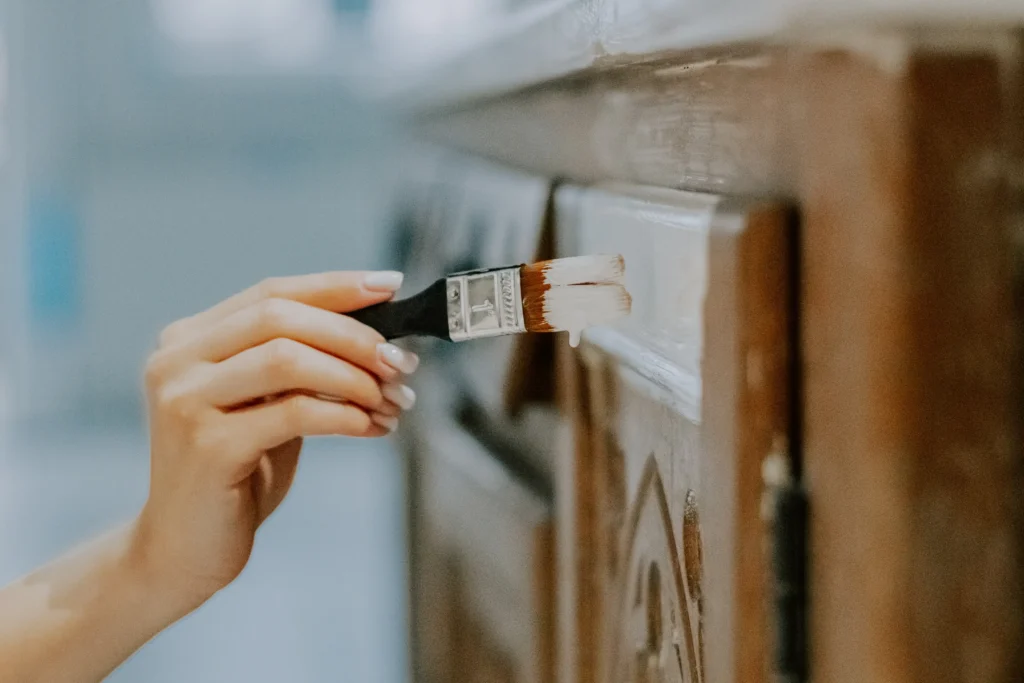
Painting kitchen cupboards is a smart and sustainable choice. It offers the same visual impact as replacing cabinets but at a fraction of the cost. It also allows you to customize your kitchen’s appearance with modern color trends. For example, many homeowners now choose timeless white or soft gray finishes that complement wall colors and natural light. When handled by professionals, painted cupboards can last for years with proper care. Professionally painted cabinets also improve home value. Buyers are drawn to updated kitchens with clean, consistent finishes. It’s a practical way to modernize your home before listing it or simply enjoy a refreshed look for your own lifestyle. For more information on professional interior finishes, you can read the Interior Painting page for insights into coatings and color coordination within your home.
Key factors that affect the cost
When asking how much to paint kitchen cupboards, there’s no one-size-fits-all price. The total cost reflects preparation, materials, size, and the level of finish you expect. A small kitchen with simple flat doors might cost far less than a large one with raised panels, crown molding, and glass inserts. Professional painters consider these details during their estimate to deliver accurate pricing and results that meet your expectations.
1. Kitchen size: The number of doors, drawers, and exposed cabinet surfaces influences the total price. A compact kitchen may fall between $1,500 and $3,000, while large kitchens with 40 or more doors often range from $5,000 to $8,000.
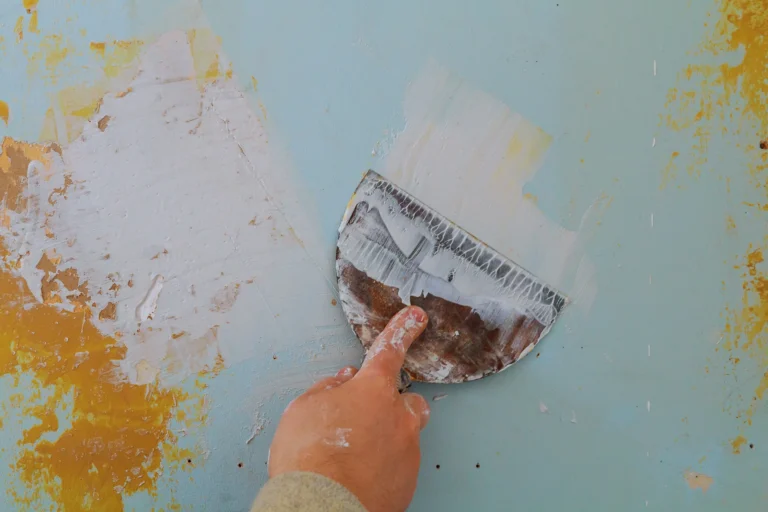
2. Surface condition: Grease, peeling paint, or damaged veneer requires additional cleaning and sanding. If the wood needs filling or structural repair, that adds to the labor cost.
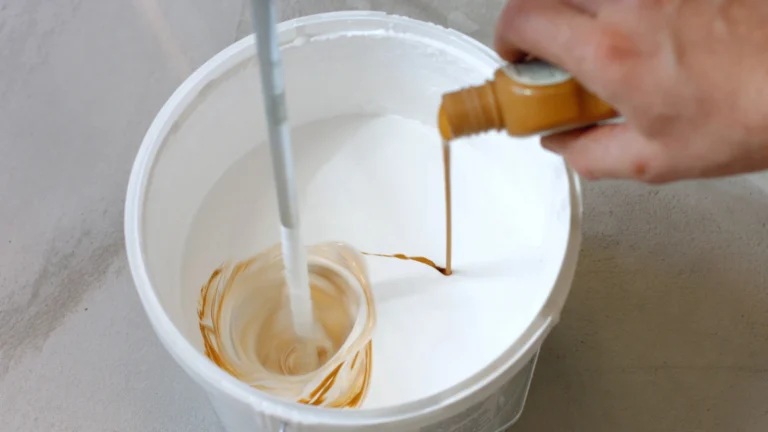
3. Type of paint: High-performance coatings last longer but cost more. Quality primers and waterborne alkyd enamels, such as Benjamin Moore Advance, are designed for cabinetry and resist moisture and stains.
4. Application method: Sprayed finishes are smoother but require masking and equipment setup. Brushing and rolling may be less expensive but show more texture on the surface.
5. Color changes: A dark-to-light change needs extra primer coats, while neutral-to-neutral repaints may need fewer materials.
Average cost estimates
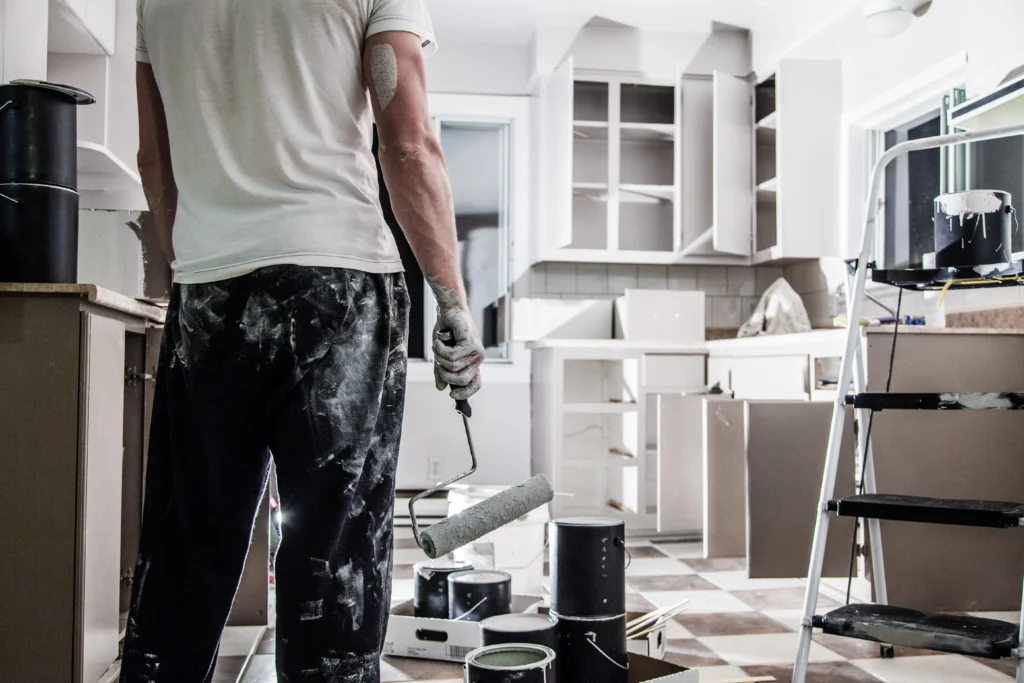
Across the United States, cabinet painting prices average between $3 and $10 per square foot of surface. In practice, that translates to approximately $2,500 to $7,000 for a typical kitchen. These numbers include cleaning, sanding, priming, and two to three finish coats. They also assume moderate repair needs and professional-grade materials. More detailed or larger projects will naturally fall toward the higher end of that range. While online calculators provide rough guidance, a professional estimate remains the best way to understand the real cost. A skilled painter will evaluate the surface, note any damage, and discuss the number of coats required. That ensures your quote covers all steps for a lasting finish. For additional information about how local professionals handle prep and coatings, see the Cabinet Painting Services page.
Preparation and process
Preparation is the single most important factor in a quality finish. The process typically begins with removing cabinet doors, drawers, and hardware. All surfaces are then degreased to eliminate buildup from cooking oils and cleaners. Once clean, each area is sanded lightly to promote adhesion. Next comes the primer, which seals the wood and creates a strong foundation for the topcoat. Professionals then apply multiple coats of enamel. Waterborne enamels, like Sherwin-Williams Emerald Urethane Trim Enamel, are popular because they cure to a hard, durable finish. Depending on the product and temperature, each coat requires several hours of drying before the next layer is applied. The final coat should feel smooth, consistent, and ready to withstand daily wear.
Professional vs. DIY
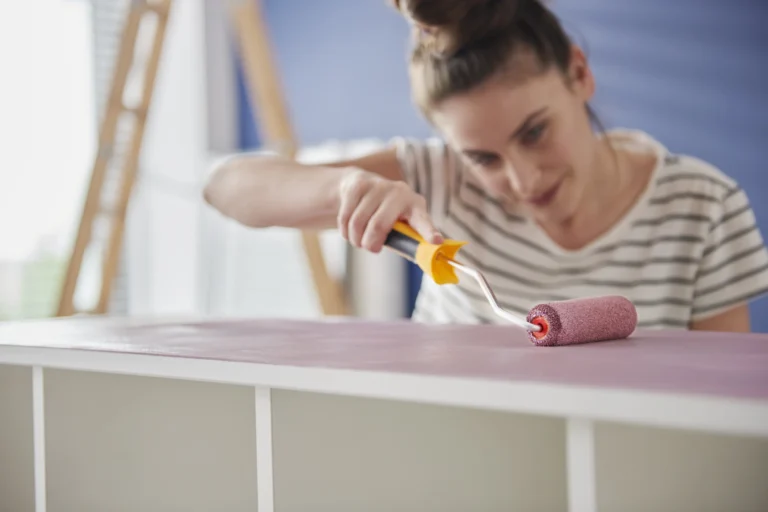
Some homeowners consider painting cupboards themselves. While possible, it’s a time-consuming process that requires patience and proper equipment. Professionals use spray systems that provide even coverage and avoid brush marks. They also maintain dust control and ventilation to prevent debris from settling on fresh paint. In contrast, a DIY project may take several weekends and yield uneven finishes without that specialized setup. Beyond appearance, professional painters use commercial-grade primers and finishes not always available at retail stores. They know how to handle adhesion issues, wood repairs, and sheen consistency. In most cases, hiring professionals ensures your painted cupboards will last longer and require less touch-up over time.
Timelines for cabinet painting
The average kitchen cabinet painting project takes about five to seven days. That timeline includes cleaning, sanding, priming, painting, and curing. The environment also plays a role—humidity and temperature can influence drying times. Smaller projects may be completed in less than a week, while large or complex layouts can take longer. It’s wise to plan ahead and allow enough time for proper curing before reattaching hardware and using your cupboards regularly. For new homes or remodeling projects, coordinating painting schedules with other trades ensures smoother workflow. You can learn more about construction timelines by reading the New Construction Painting section on our website.
Choosing the right paint and finish
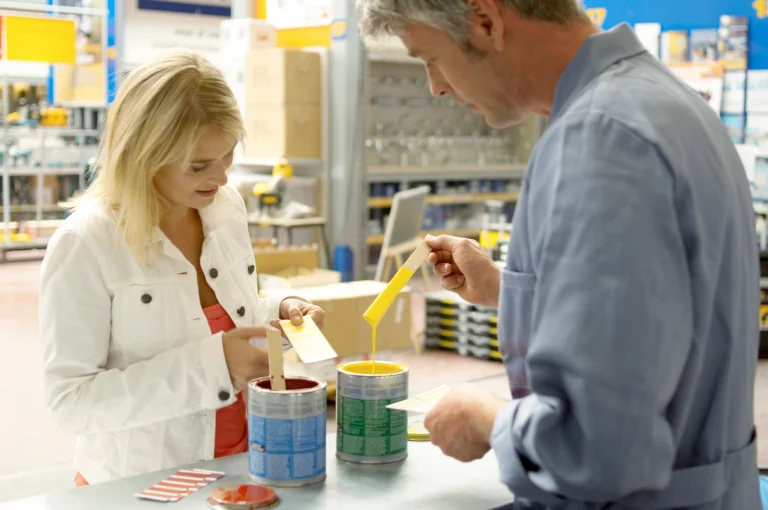
The paint you select affects durability, maintenance, and appearance. Satin and semi-gloss finishes are the most common for kitchen cupboards. Satin provides a soft glow that hides minor imperfections, while semi-gloss reflects more light and cleans easily. Avoid matte finishes in kitchens since they tend to absorb grease and stains. Quality paints include resins that form a strong, washable surface. While they cost more initially, they often double the lifespan of your finish. Many homeowners find that choosing the correct product at the start eliminates the need for early repaints. If you’re unsure about the right paint type, a professional painter can help you choose based on kitchen lighting and daily use patterns.
How to maintain painted cupboards
Proper maintenance ensures the longevity of your painted cupboards. Use mild soap and water for regular cleaning and avoid harsh chemicals. Wipe spills promptly and use soft cloths rather than abrasive sponges. Try to open and close doors gently to prevent chipping near handles. Small felt bumpers or soft-close hinges also help preserve edges. Once painted, allow about two to three weeks for the enamel to cure completely. During this period, avoid attaching adhesive hooks or cleaning with chemicals. Patience pays off since fully cured paint becomes harder and more resistant to damage. For cleaning guidance on other surfaces, check the Pressure Washing page to see how professional cleaning protects paint longevity.
Getting an accurate estimate
When you reach out for an estimate, share the number of cabinet doors and drawers along with a few photos of the space. Include any notes about existing finishes, damages, or repairs. This helps professionals deliver accurate pricing and timeline expectations. A reliable estimate will outline each step—prep, primer, finish coats, drying times, and cleanup. To streamline this process, you can fill out the Painting Quote form. Be sure to include your cabinet measurements and color goals. Detailed information helps the team provide the most precise quote possible for your kitchen.

Long-term benefits of professional cabinet painting
Beyond immediate appearance, painted cupboards offer significant long-term benefits. They seal wood surfaces, protect against humidity, and resist grease absorption. In kitchens with heavy traffic, professionally painted cabinets can last a decade or more with proper care. This makes them an investment rather than a quick fix.
Additionally, painting cupboards instead of replacing them helps reduce waste and keeps solid wood materials in use. This approach aligns with sustainable home improvement goals and gives you design flexibility without demolition.
Conclusion
When you ask how much to paint kitchen cupboards, the answer depends on the size of your kitchen, the materials used, and the amount of prep required. While DIY projects may appear less expensive, professional cabinet painting offers the value of durability, consistency, and time savings. It is an affordable way to refresh your home and enhance your kitchen’s character without a full renovation.
To learn more about expert cabinet painting services, explore the Cabinet Painting Services page, or view finished projects in the Cabinetry Projects Gallery. With careful planning, quality materials, and experienced painters, you can enjoy beautiful, long-lasting cupboards that transform the heart of your home.