How to strip paint from wood is a common question among homeowners, furniture restorers, and DIY enthusiasts who want to restore the natural beauty of wood surfaces. Over time, painted wood can become chipped, cracked, uneven, or outdated, making paint removal an important step before refinishing or repainting. Stripping paint from wood requires the right combination of preparation, tools, and techniques to avoid damaging the wood underneath. Whether you are working on furniture, cabinets, doors, trim, decks, or architectural woodwork, understanding how to strip paint from wood properly can help achieve cleaner results and preserve the integrity of the material.
Paint removal is often necessary when older layers of paint begin to fail or when homeowners want to expose natural wood grain. In some cases, multiple layers of paint may have accumulated over decades, hiding the original character of the wood beneath. While stripping paint can be time-consuming, the results often reveal attractive wood surfaces that can be stained, sealed, or repainted according to modern design preferences. Learning how to strip paint from wood allows homeowners to restore furniture and woodwork while extending the lifespan of valuable materials.
Understanding Why Paint Removal Is Necessary
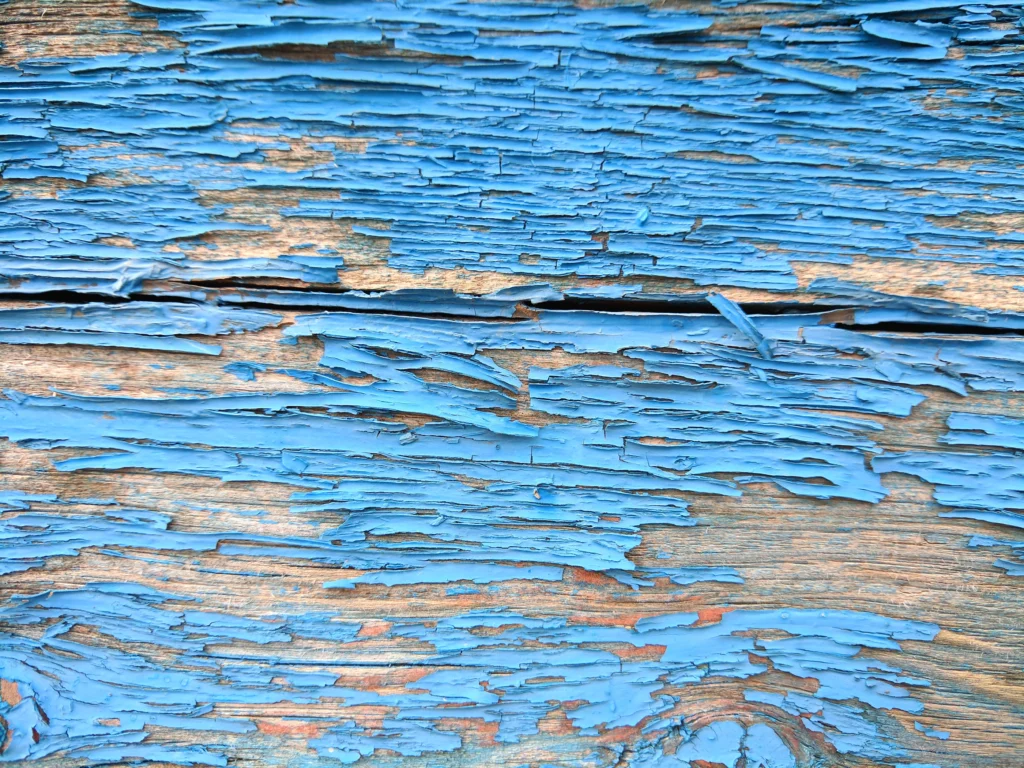
Many wood surfaces are painted for protection and aesthetic purposes. Paint helps shield wood from moisture, sunlight, and daily wear. However, paint does not last forever. Exposure to temperature changes, humidity, and regular use can eventually cause paint to crack, peel, blister, or fade. When these issues occur, removing old paint often becomes necessary before applying a fresh finish.
Understanding how to strip paint from wood is especially important when restoring older homes. Historic properties frequently contain original wood trim, doors, moldings, and built-in features that deserve preservation. Removing deteriorated paint can reveal craftsmanship that has been hidden for years while creating a stronger foundation for future finishing work.
Homeowners planning larger renovation projects often combine wood restoration with interior painting services to create a more cohesive appearance throughout the home. Proper preparation helps ensure that all surfaces achieve professional-quality results.
Evaluating the Wood Before Stripping Paint
Before deciding how to strip paint from wood, it is important to evaluate the condition of the surface. Different wood species react differently to stripping methods, and the age of the paint can affect the removal process. Older paint layers may contain lead, particularly in homes built before 1978. When lead-based paint is suspected, proper testing and safety precautions are essential.
The condition of the wood itself should also be assessed. Damaged, rotted, or heavily weathered wood may require repairs before refinishing can begin. Understanding the type of wood and existing finish helps determine the most effective stripping method while minimizing the risk of damage. Small test areas can help identify how easily paint can be removed and whether additional treatments will be necessary. This step often saves time and prevents unnecessary complications during larger projects.
Using Chemical Paint Strippers
Chemical paint strippers are among the most popular methods used when learning how to strip paint from wood. These products soften paint, allowing it to be scraped away with relatively little effort. Modern paint strippers are available in a variety of formulations, including environmentally friendly products designed to reduce harsh fumes and chemical exposure.
The stripper is typically applied to the painted surface and allowed to sit for a specified period. During this time, the product penetrates the paint layers and breaks their bond with the wood. Once softened, the paint can be removed using scrapers or putty knives.
Proper ventilation is important when using chemical products indoors. Protective gloves, eye protection, and adherence to manufacturer instructions help ensure safe operation. While chemical stripping can be highly effective, patience is often required when dealing with multiple layers of old paint.
Additional paint removal guidance is available through This Old House and family handyman.
Heat Guns for Paint Removal
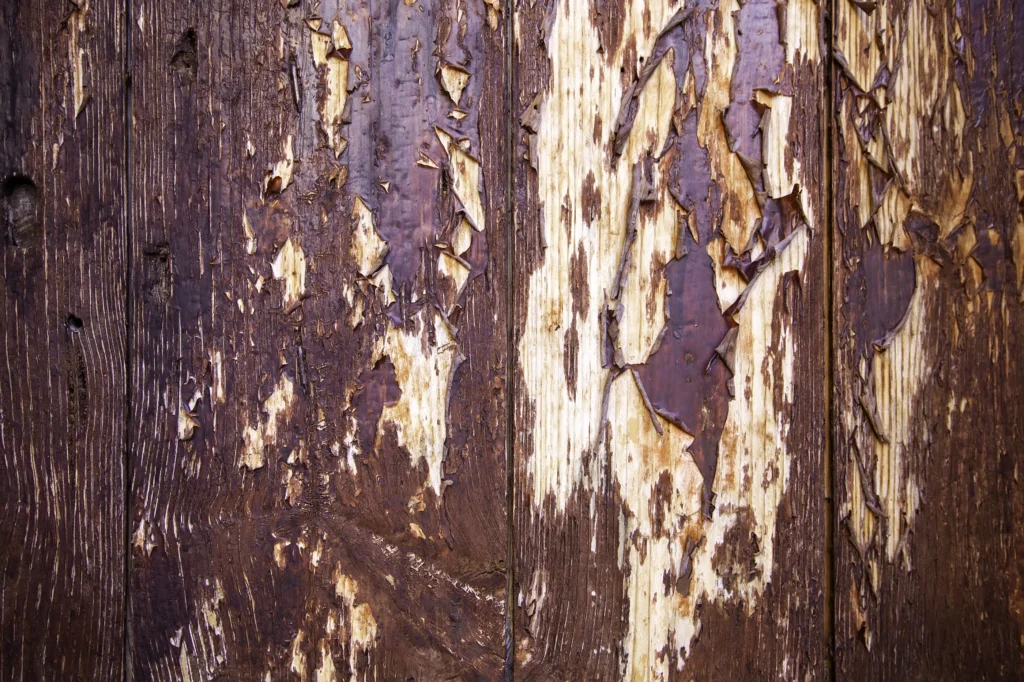
Heat guns offer another effective solution for homeowners researching how to strip paint from wood. These tools use controlled heat to soften paint, making it easier to scrape away from the surface. Heat guns can be particularly useful on intricate woodwork where chemical strippers may be difficult to apply evenly.
The key to success with a heat gun is maintaining proper temperature control. Excessive heat can scorch wood, create burn marks, or damage delicate surfaces. Moving the heat source continuously and working in small sections helps reduce these risks.
Heat guns are often preferred by homeowners who want to minimize the use of chemicals. However, they still require caution and proper safety procedures, especially when working near flammable materials.
Sanding as a Paint Removal Method
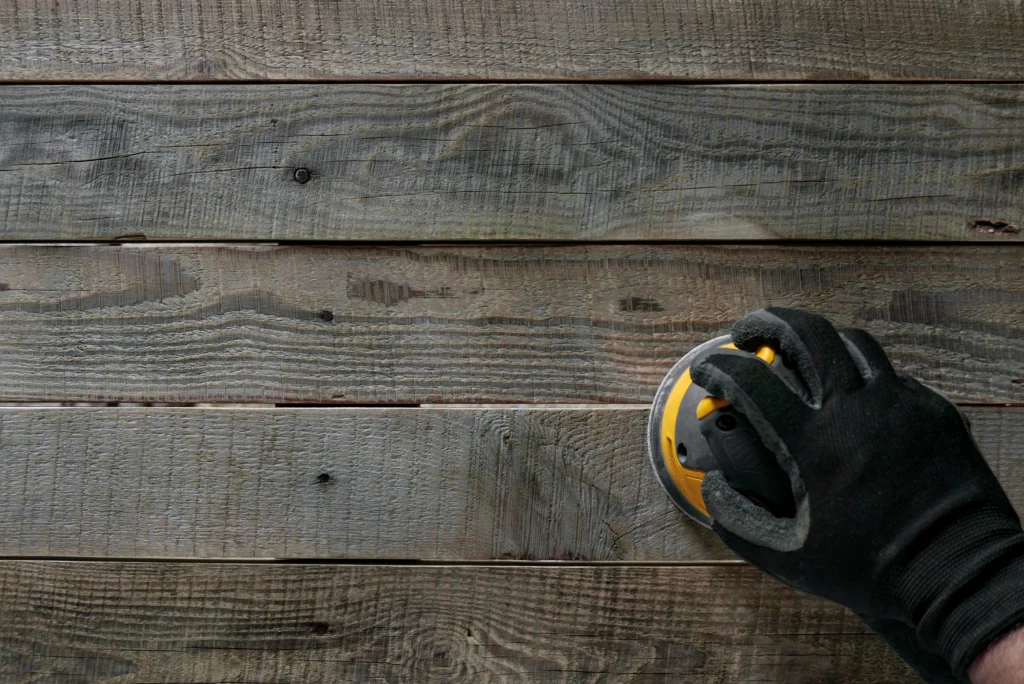
Sanding is frequently used as part of the process when learning how to strip paint from wood. While sanding alone may not be the most efficient solution for thick paint layers, it is often valuable for final surface preparation after the majority of paint has been removed.
Power sanders can speed up the process on large flat surfaces, while hand sanding provides greater control for detailed work. The goal is to create a smooth, uniform surface that is ready for staining, sealing, or repainting.
Dust control is important during sanding because paint particles can become airborne. Using dust collection systems and wearing appropriate respiratory protection helps maintain a safer work environment.
Stripping Paint From Furniture
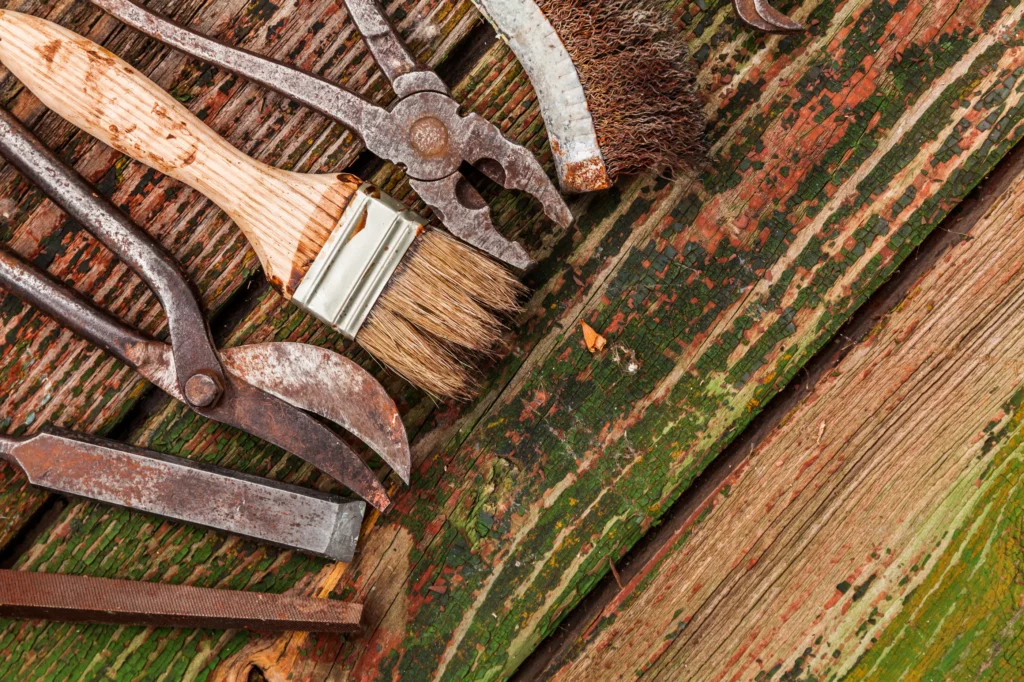
Furniture restoration is one of the most common reasons homeowners seek information about how to strip paint from wood. Tables, chairs, dressers, cabinets, and other pieces often accumulate multiple layers of paint over the years.
Removing old paint allows the natural wood grain to reappear and creates opportunities for custom finishes. Furniture projects typically require patience because detailed carvings, corners, and decorative elements can be more challenging to clean thoroughly.
Many homeowners who restore painted furniture eventually choose professional cabinet painting services for kitchens and built-in cabinetry because achieving smooth, durable finishes requires specialized preparation and application techniques.
Preparing Wood for Refinishing
Once the paint has been removed, preparation for refinishing becomes the next priority. Residual paint particles, chemical residues, and surface imperfections should be addressed before applying any new finish.
Cleaning the wood thoroughly helps remove dust and contaminants that could interfere with stains, sealers, or paint. Minor repairs may also be necessary if the stripping process reveals dents, cracks, or damaged areas.
Proper preparation contributes significantly to the quality and longevity of the final finish. Whether the goal is natural wood, stain, or fresh paint, careful surface preparation remains one of the most important steps in the process.
Professional Paint Removal Services
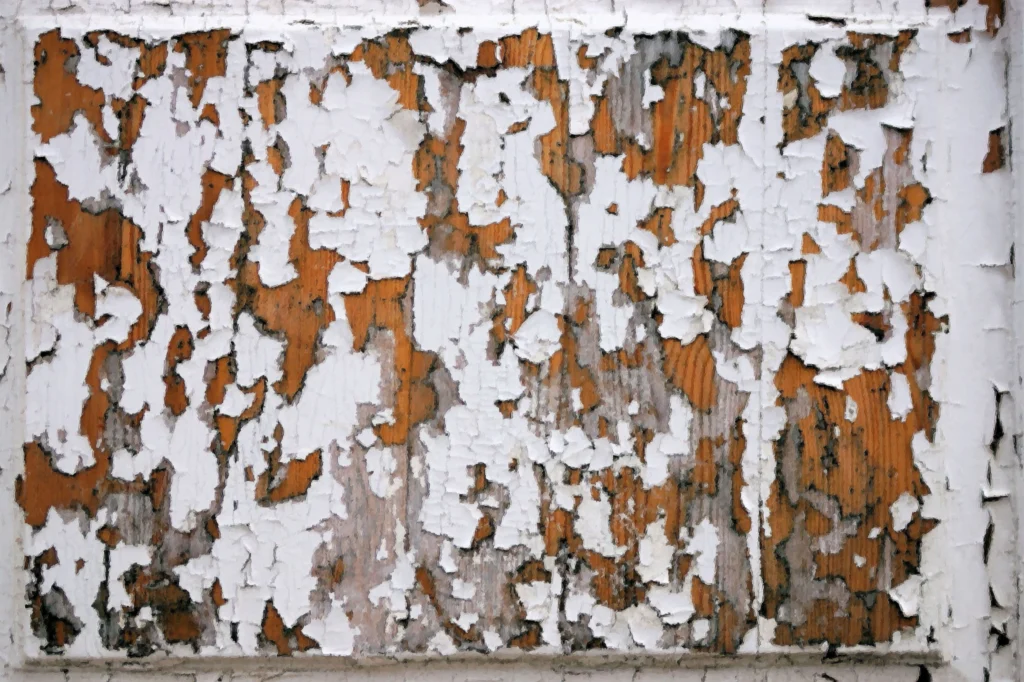
While many homeowners successfully learn how to strip paint from wood on their own, larger projects often benefit from professional assistance. Extensive trim work, historic woodwork, built-in cabinetry, and exterior wood surfaces can require specialized equipment and expertise.
Professional painters understand how different stripping methods affect various wood species and finishes. They can select the most effective approach while minimizing the risk of damage. Homeowners planning complete renovation projects may also benefit from combining paint removal with exterior painting services or other property improvements.
At Four Seasons Painting, proper preparation is viewed as the foundation of every successful painting and refinishing project. Careful attention to detail helps ensure attractive and durable results that stand the test of time.
Conclusion
How to strip paint from wood successfully depends on choosing the right removal method, preparing the surface properly, and exercising patience throughout the process. Chemical strippers, heat guns, sanding techniques, and professional tools all play valuable roles depending on the type of project and condition of the wood. By understanding how to strip paint from wood correctly, homeowners can restore furniture, trim, doors, cabinets, and other wood surfaces while preserving their natural beauty and structural integrity.
Whether restoring a single piece of furniture or preparing an entire home for renovation, proper paint removal creates the foundation for exceptional results. Four Seasons Painting helps homeowners achieve professional-quality finishes through expert preparation, skilled craftsmanship, and comprehensive painting services designed to enhance the beauty and value of residential and commercial properties.