Fresh paint performs best on a clean, dry, and stable surface, so washing walls should be part of the preparation rather than an optional extra. Learning how to clean painted walls before painting starts with removing dust and cobwebs, treating grease or stains, washing with a mild cleaner when needed, and allowing the surface to dry completely. Walls can look clean while still carrying fingerprints, cooking residue, smoke film, or household contaminants that interfere with adhesion. Painting directly over that buildup can contribute to uneven coverage and a finish that does not bond as well as expected.
The amount of cleaning needed depends on the room and the condition of the existing finish. A lightly used bedroom may need little more than dust removal and spot cleaning, while kitchen and bathroom walls often require more attention. Knowing how to clean painted walls before painting also helps you identify problems that cleaning alone cannot solve, including peeling paint, mildew, water damage, and damaged drywall. Preparing these areas before opening the new paint gives the finish a better foundation and can reduce frustrating repairs later.
Inspect The Walls Before You Start Cleaning
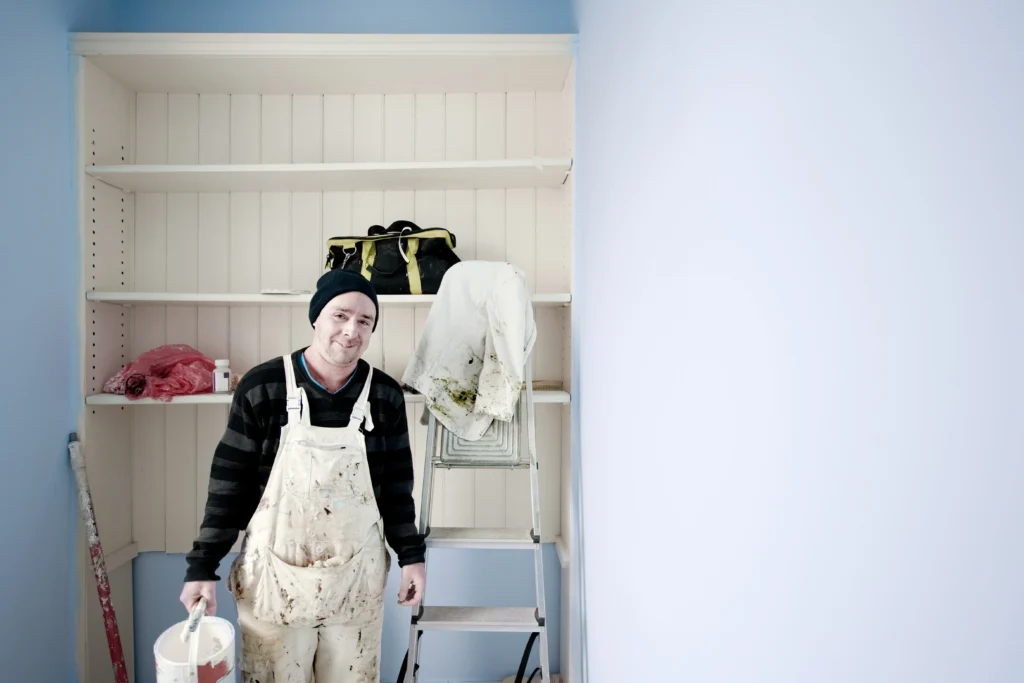
Begin with a careful inspection under good lighting. Look for dust, grease, fingerprints, crayon marks, stains, peeling paint, cracks, nail holes, and areas where previous repairs remain visible. Pay particular attention to walls near cooking appliances, light switches, doors, heating vents, and other frequently touched locations. When planning how to clean painted walls before painting, identifying the type of contamination first helps you avoid washing every area with an unnecessarily strong cleaner. Ordinary dust requires a different approach from greasy kitchen residue, while water stains or recurring discoloration may indicate a problem that needs correction before repainting.
Check the existing coating as well. If rubbing the wall lightly causes paint to flake or come away, cleaning alone will not create a sound painting surface. Loose material needs appropriate preparation before new coatings are applied. Moisture problems should also be corrected instead of simply covered with primer and paint. Mark holes, cracks, and damaged sections during the inspection so they can be repaired at the proper stage. Taking a few minutes to evaluate the room makes how to clean painted walls before painting a targeted process rather than unnecessary scrubbing across every square foot.
Remove Dust And Loose Debris Before Washing
Dry cleaning should come before introducing water or a cleaning solution. Use a microfiber duster, clean cloth, or vacuum equipped with a soft brush attachment to remove cobwebs and loose dust from the walls. Start near the ceiling and work downward so falling particles do not settle onto areas you have already cleaned. Corners, baseboards, trim edges, and the spaces around vents deserve special attention because debris often collects there. One of the easiest mistakes when learning how to clean painted walls before painting is immediately washing dusty walls, which can turn loose dirt into streaky residue that takes additional effort to remove.
Once the broad surfaces are dust-free, examine areas behind furniture and wall decorations. These sections can reveal differences in dirt accumulation that were difficult to notice earlier. Vacuum the floor or clean nearby surfaces if necessary so dust is not immediately transferred back onto the prepared walls. Homeowners preparing for a larger room transformation can also explore the professional Interior Painting services available from Four Seasons Painting Co. Thorough dust removal provides a cleaner starting point for the washing, repair, and painting stages that follow.
Wash Grease And Everyday Dirt From The Walls
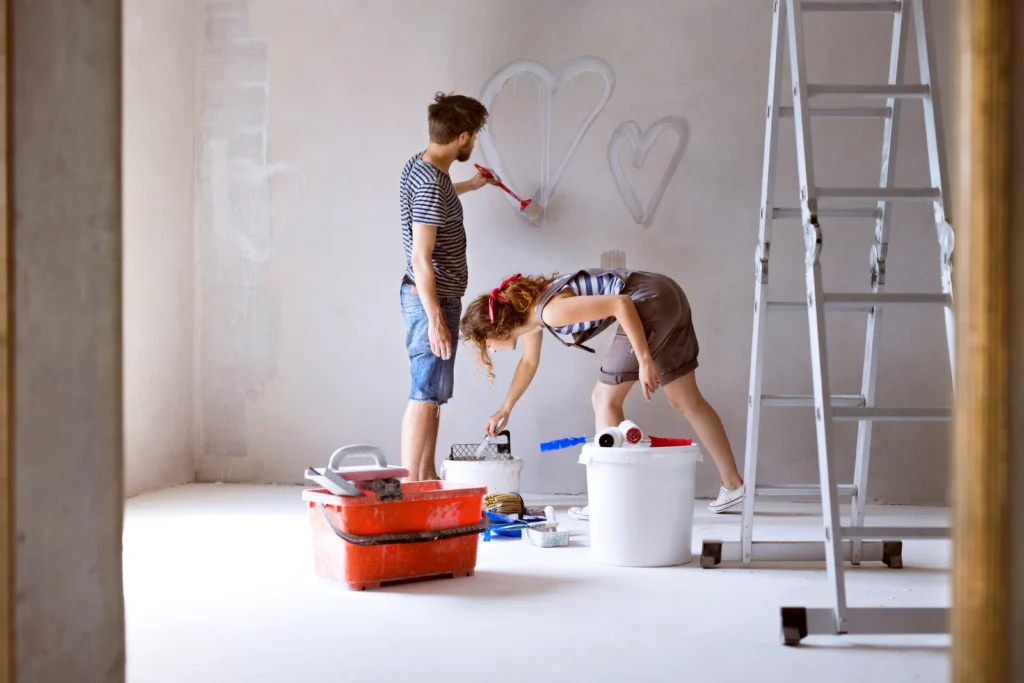
After dry debris has been removed, wash areas that have fingerprints, grease, grime, or other visible residue. For ordinary household dirt, a mild cleaning solution and a soft sponge or microfiber cloth may be sufficient. Avoid saturating the drywall and keep excess moisture away from electrical components. Kitchens usually require extra attention because airborne cooking oils can settle on walls and create a film that fresh paint may struggle to grip. When considering how to clean painted walls before painting in these spaces, use a suitable degreasing cleaner according to its directions and make sure residue from the cleaning product does not remain on the wall.
Work in manageable sections and replace dirty water or cloths instead of spreading grime from one area to another. Do not rely on aggressive scrubbing when a second gentle cleaning pass can achieve the same result. After cleaning, rinse the surface if the cleaner’s instructions require it and allow the walls to dry thoroughly. Run a clean hand over an inconspicuous area once dry. The surface should feel clean rather than greasy or coated with soap residue. Following how to clean painted walls before painting carefully at this stage gives primer and finish paint a more dependable surface for adhesion.
Treat Stains, Grease, And Problem Areas Carefully
Some walls need more than routine washing before they are ready for fresh paint. Kitchens may have stubborn grease near cooking areas, while hallways and children’s rooms often collect scuffs, fingerprints, and marks. Bathrooms may develop residue from moisture and personal care products. When learning how to clean painted walls before painting, treat these areas individually rather than applying a strong cleaner across the entire room. Use a product appropriate for the type of contamination and the existing surface, then follow its directions carefully. Test unfamiliar cleaners in an inconspicuous location first to make sure they do not damage the existing coating.
Water stains, recurring discoloration, or suspected mildew deserve additional attention because simply washing and painting over them may hide a larger issue. Correct leaks or moisture sources before proceeding with surface preparation. The U.S. Environmental Protection Agency provides useful guidance about moisture control and mold cleanup in homes. Once any underlying issue has been addressed, the affected surface may require additional preparation or a suitable primer before finish paint is applied. Properly identifying problem areas is an important part of how to clean painted walls before painting because a clean appearance alone does not guarantee that the wall is ready for a new coating.
Let The Walls Dry Before Sanding And Repairing
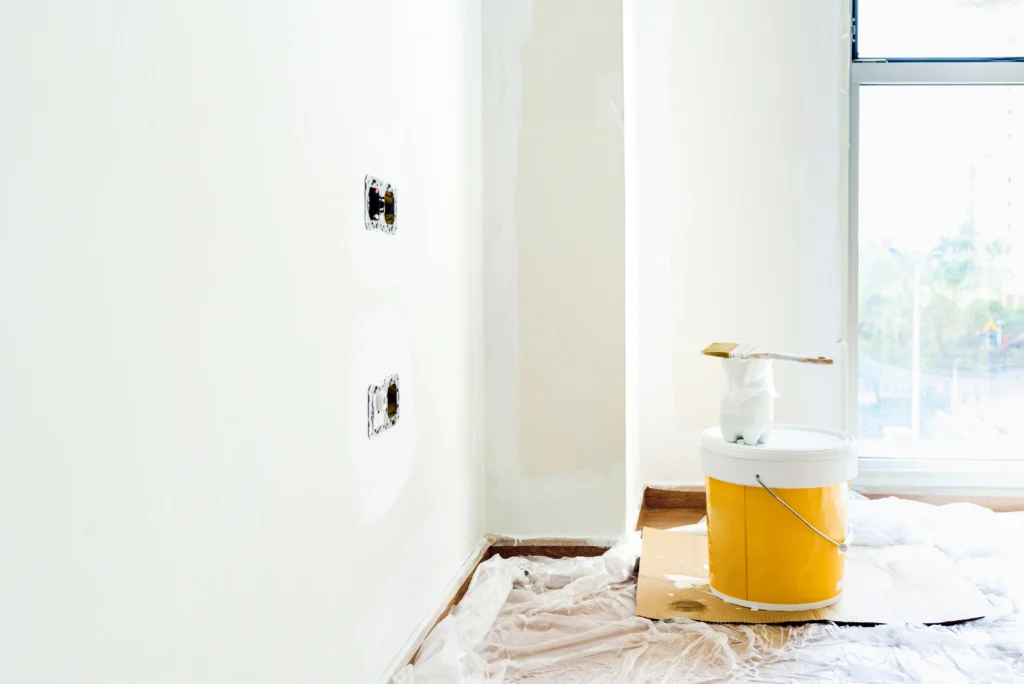
Painting or repairing walls while they are still damp can interfere with the next stages of preparation. After washing, provide normal ventilation and allow enough time for the surface to dry completely. Drying time varies with humidity, temperature, airflow, and how much moisture was used during cleaning. Do not judge the wall only by appearance because cooler or less ventilated sections may retain moisture longer. Knowing how to clean painted walls before painting includes giving the cleaning process time to finish before moving directly into sanding, patching, or priming.
Once dry, repair nail holes, dents, cracks, and other minor imperfections with a material appropriate for the surface. Allow repairs to harden, then sand them smooth according to the product directions. Light sanding may also be appropriate on glossy existing finishes when required for the new coating system. Remove all sanding dust afterward so it does not become trapped beneath primer or paint. Running your hand across the prepared wall can help reveal dusty or rough areas that need additional attention. These final preparation steps create a smoother foundation and help prevent repairs from standing out after the finish coat dries.
Know When Primer Is Needed After Cleaning
Cleaning prepares the surface, but it does not eliminate the need for primer in every situation. Newly repaired areas, bare drywall, significant color changes, certain stains, and surfaces with adhesion concerns may benefit from an appropriate primer. The exact product should match both the existing surface and the finish paint. When following how to clean painted walls before painting, inspect the walls after they have dried and repairs are complete. A uniformly sound wall with a compatible existing coating may have different requirements from one containing patches, exposed material, or stubborn discoloration.
Avoid treating primer as a substitute for cleaning. Grease, dust, and residue should still be removed because even high-quality primers need a suitable surface to bond properly. Likewise, primer cannot permanently solve active moisture problems or unstable peeling coatings. If you are uncertain about the condition of existing walls or the correct preparation system, professional evaluation can prevent unnecessary repainting later. Lake County homeowners can use the Contact page to discuss interior preparation and painting needs with Four Seasons Painting Co. Combining proper cleaning, repairs, and the right primer gives the finish coat a much stronger starting point.
Conclusion
Knowing how to clean painted walls before painting helps fresh paint adhere evenly and creates a cleaner foundation for the finished room. Start by inspecting and dusting the walls, then remove grease and everyday grime with suitable cleaning methods. Address moisture or stains separately, let everything dry completely, and finish necessary repairs before priming or painting. Careful preparation can prevent many problems that become difficult to correct after the new coating is applied. For homeowners who prefer professional preparation and painting, Four Seasons Painting Co provides dependable interior painting services throughout Lake County, Ohio.