Painting a door can make a surprisingly large difference in how a room or exterior entry looks. Doors collect fingerprints, scuffs, chips, and wear over time, so a fresh coat can restore a cleaner, more finished appearance. The key is preparing the surface correctly and using the right coating for the door material and location.
Learning how to paint a door means working in a clear order. You need to clean the surface, repair damage, sand where necessary, prime problem areas, and apply thin coats with the right tools. Good preparation and drying time matter just as much as the final paint.
Remove Hardware And Protect The Work Area
Start by removing the doorknob, lockset, latch plate, kick plate, and any other hardware you can safely take off. This makes painting easier and reduces the risk of getting paint on metal parts. If hardware cannot be removed, cover it carefully with painter’s tape.
Protect the floor beneath the door with a drop cloth. If you are painting the door while it remains on the hinges, open it fully and make sure it cannot swing while you work. Knowing how to paint a door successfully starts with creating enough space to work around the edges and panels without bumping into walls or furniture. A clean setup also makes it easier to inspect the finish from different angles as the paint dries.
Clean And Inspect The Door Surface
Doors collect oils, dust, fingerprints, and grime that can prevent paint from bonding properly. Wash the surface with a mild cleaner that is suitable for the door material, then allow it to dry completely before sanding or priming.
Inspect the door for dents, chips, cracks, peeling paint, or damaged edges. Fill suitable imperfections and let the repair material dry before sanding. Homeowners using professional interior painting services can have doors included as part of a larger interior project when walls, trim, and other surfaces also need updating. When learning how to paint a door, remember that fresh paint will not hide loose coatings or rough repairs. A clean, stable surface gives the finish a much better foundation.
Sand The Door For Better Adhesion
Light sanding helps smooth imperfections and gives the new coating a better surface to grip. Use fine-grit sandpaper on sound existing paint, especially if the finish is glossy. Sand repaired areas more carefully so they blend with the surrounding surface.
Remove all sanding dust with a clean cloth or vacuum attachment before applying primer or paint. Pay attention to panel edges, corners, and molded details because dust can collect there easily. Sanding is an important part of how to paint a door because skipping it can lead to poor adhesion, visible roughness, or uneven sheen. Do not sand aggressively enough to damage the surface. The goal is usually to dull the existing finish and smooth repairs rather than remove every layer of old paint.
Prime Bare Or Problem Areas When Needed
Primer is useful on bare wood, exposed repairs, stains, metal, and surfaces where adhesion is uncertain. A previously painted door in good condition may only need spot priming, while a new or heavily repaired door may need a full primer coat.
Use a primer that is compatible with the door material and the finish paint. The U.S. Environmental Protection Agency provides official information about lead-safe practices for older painted surfaces, which is important when sanding or scraping pre-1978 doors. When deciding how to paint a door in an older home, check whether disturbing the existing coating could require extra precautions. Allow primer to dry for the full recommended time before applying the finish coat.
Choose The Right Paint For The Door
Interior doors usually benefit from a durable enamel or trim paint that can handle frequent touching and cleaning. Satin, semi-gloss, and gloss finishes are common because they resist wear better than flatter finishes. Exterior doors need coatings designed for outdoor exposure.
The door material also matters. Wood, metal, fiberglass, and composite doors can require different primers and finish products. Homeowners planning outside updates can use professional exterior painting services when the door is part of a broader exterior painting project. Choosing the right coating is a major part of how to paint a door because the wrong product can chip, peel, or remain soft under regular use. Always follow the paint manufacturer’s compatibility and application instructions.
Paint Detailed Areas Before Flat Sections
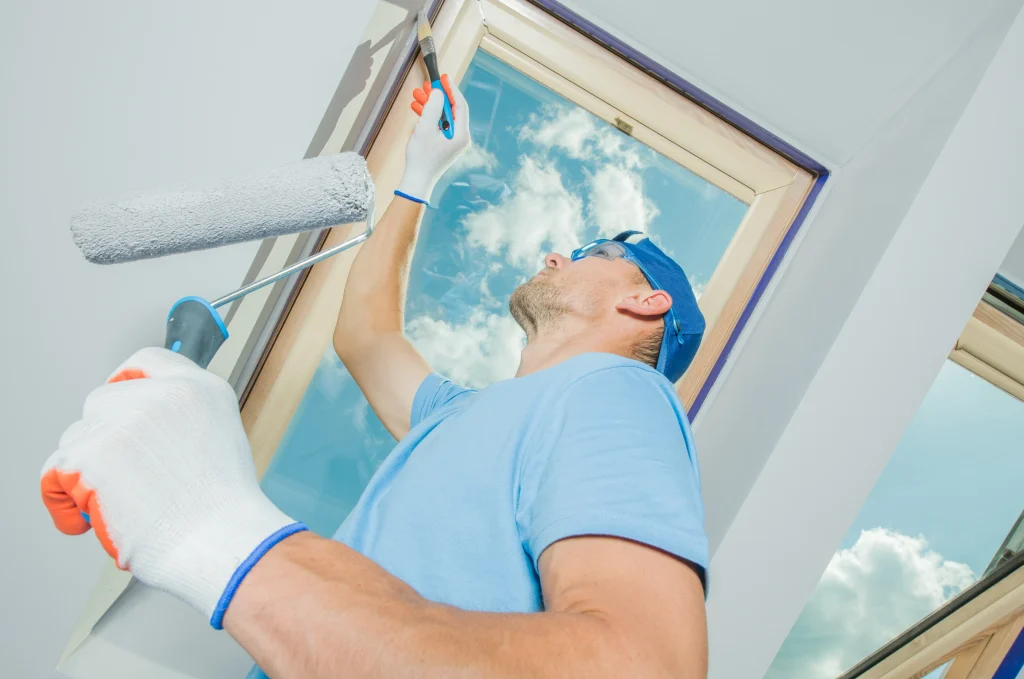
If the door has raised panels, grooves, or decorative details, start with those sections first. Use a quality angled brush to work paint into corners and molded areas without allowing it to pool. Then move to the larger flat sections.
A small foam or microfiber roller can help create a smoother finish on broad door surfaces. Keep coats thin and controlled rather than trying to achieve complete coverage with one heavy application. When practicing how to paint a door, work from detailed areas toward larger panels so you can blend the finish while the paint is still workable. Check for drips along panel edges and corners before moving on. Heavy paint buildup can remain visible after drying and may affect how the door closes.
Apply A Second Coat After Proper Drying
Allow the first coat to dry for the full recoat period listed by the paint manufacturer. Doors are handled frequently, so rushing this step can lead to fingerprints, sticking, dents, or surface marks before the coating has developed enough strength.
Inspect the first coat before continuing. Look for thin spots, brush marks, dust, drips, or rough areas. Lightly sand minor imperfections if the product instructions allow it, then remove all dust before applying the next coat. Most doors benefit from a second coat because it improves color consistency and durability. Patience is essential when learning how to paint a door because the finish needs enough time to dry between layers. A smooth second coat usually produces a more professional result than one heavy coat applied too quickly.
Reinstall Hardware And Let The Door Cure
Once the final coat has dried sufficiently, reinstall the hardware carefully. Avoid tightening parts against paint that still feels soft, as this can leave permanent marks. Open and close the door gently at first and make sure painted edges are not sticking to the frame.
Full curing can take longer than surface drying, so treat the door carefully for several days according to the product instructions. Avoid aggressive cleaning or repeated contact until the coating has hardened. Knowing how to paint a door successfully includes giving the finish enough time to develop its full durability. Four Seasons Painting Co serves Lake County, Ohio, with professional interior and exterior painting focused on proper preparation, suitable coatings, and clean application for doors, trim, walls, and other painted surfaces.