Refreshing the exterior of a home can dramatically improve its appearance, but achieving a clean and lasting finish requires more than just applying paint. Many homeowners begin researching how to paint outside of house expecting a simple process, only to realize that weather conditions, surface preparation, and material selection all play a critical role. Exterior painting is exposed to sunlight, moisture, and temperature changes, which means every step must be done carefully to ensure durability. Understanding the right approach before starting helps prevent common issues and ensures the finished result not only looks great but also protects your home for years.
How to Paint Outside of House The Right Way
Learning how to paint outside of house begins with understanding that preparation and planning are just as important as painting itself. Exterior surfaces are exposed to harsh conditions, so they must be properly cleaned and repaired before any paint is applied. Skipping preparation often leads to peeling, cracking, or uneven finishes. The process typically includes cleaning the surface, repairing damage, priming where needed, and applying paint in the correct sequence. Each step contributes to how well the paint adheres and how long it lasts. Taking a structured approach helps homeowners achieve a more professional and durable result.
Inspecting And Preparing Exterior Surfaces
Preparation is the most important step when learning how to paint outside of house. Start by inspecting the entire exterior for damage such as cracks, peeling paint, or mildew. Power washing is commonly used to remove dirt, grime, and loose paint, creating a clean surface for new coatings. Any damaged areas should be repaired before painting begins. Sanding rough spots and scraping off old paint helps create a smoother finish. Proper preparation ensures the new paint bonds well and reduces the chances of early failure. Ignoring this step often leads to poor results and additional work later.

Choosing The Right Exterior Paint
Selecting the right paint is essential when deciding how to paint outside of house. Exterior paint must withstand weather conditions such as sunlight, rain, and temperature changes. High-quality paints offer better durability and resistance to fading and peeling. Different surfaces require different types of paint, whether it is wood, vinyl, stucco, or brick. Choosing the correct product ensures better performance and longer-lasting results. For homeowners looking for guidance, reviewing What Exterior Paint Is Best can help determine the most suitable option for their home.
Exterior Painting Costs
Before starting a project, many homeowners want to understand how to paint outside of house while staying within budget. Costs can vary depending on the size of the home, the condition of the surfaces, and the type of paint used. Preparation work such as repairs and cleaning also affects the total cost. Labor is another major factor, especially for larger homes or those with complex designs. For a detailed breakdown of pricing, reviewing How Much Does House Painting Cost Exterior provides helpful insight into what to expect. Understanding these costs helps homeowners plan their project more effectively.
Applying Paint For Even Coverage
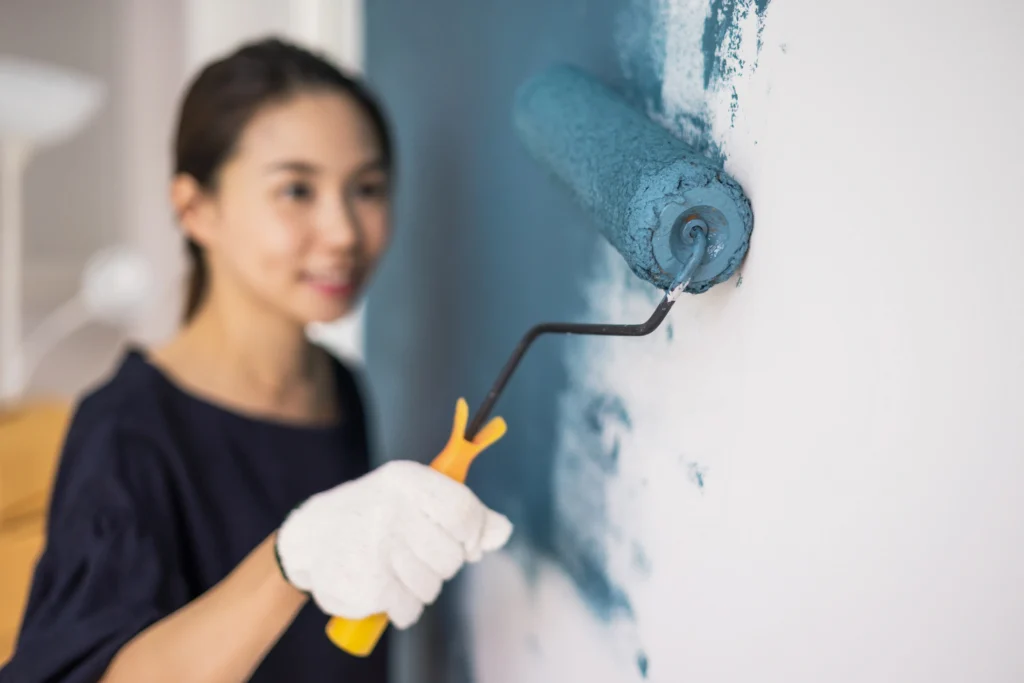
The application process plays a major role in how to paint outside of house successfully. Using consistent strokes and maintaining a steady pace helps achieve even coverage. Working in sections prevents paint from drying unevenly and reduces visible lines. Applying multiple thin coats instead of one thick layer improves adhesion and durability. Allowing proper drying time between coats ensures a smoother finish. Using the right tools, such as high-quality brushes or sprayers, also contributes to a more professional appearance. Attention to technique ensures the final result looks clean and uniform.
Weather Conditions And Timing
Weather plays a critical role when learning how to paint outside of house. Painting in extreme heat, cold, or humidity can affect how paint dries and adheres to surfaces. Ideal conditions include mild temperatures and low humidity, which allow paint to cure properly. Rain or excessive moisture can cause paint to blister or peel. Planning the project around favorable weather conditions helps ensure better results. Checking forecasts and avoiding sudden weather changes can prevent delays and improve the overall outcome of the project.
Best Tools And Equipment For Exterior Painting
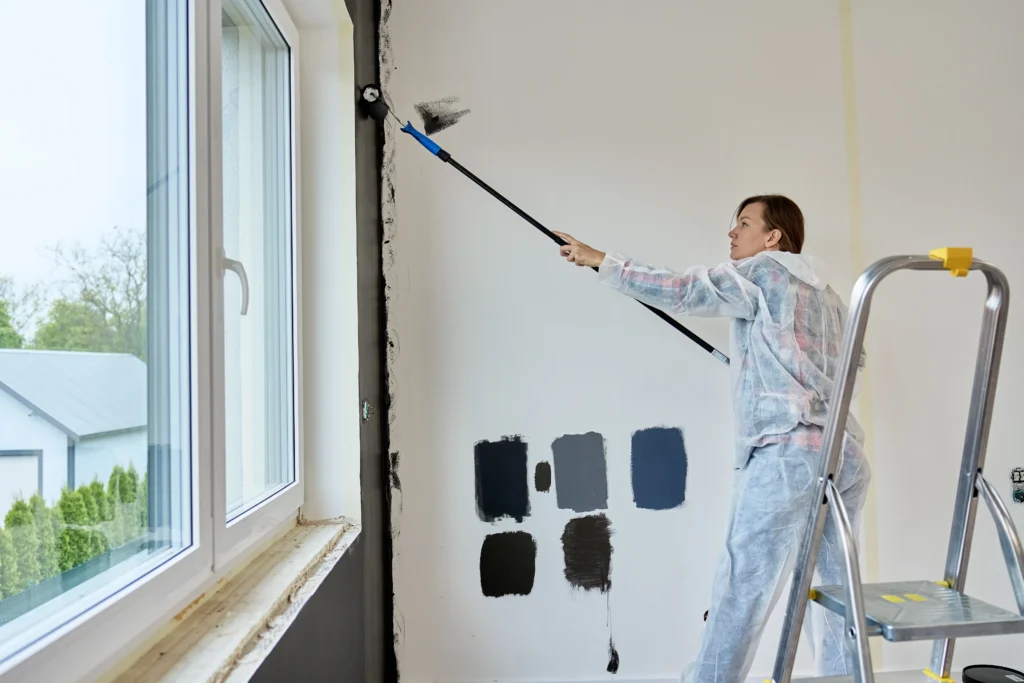
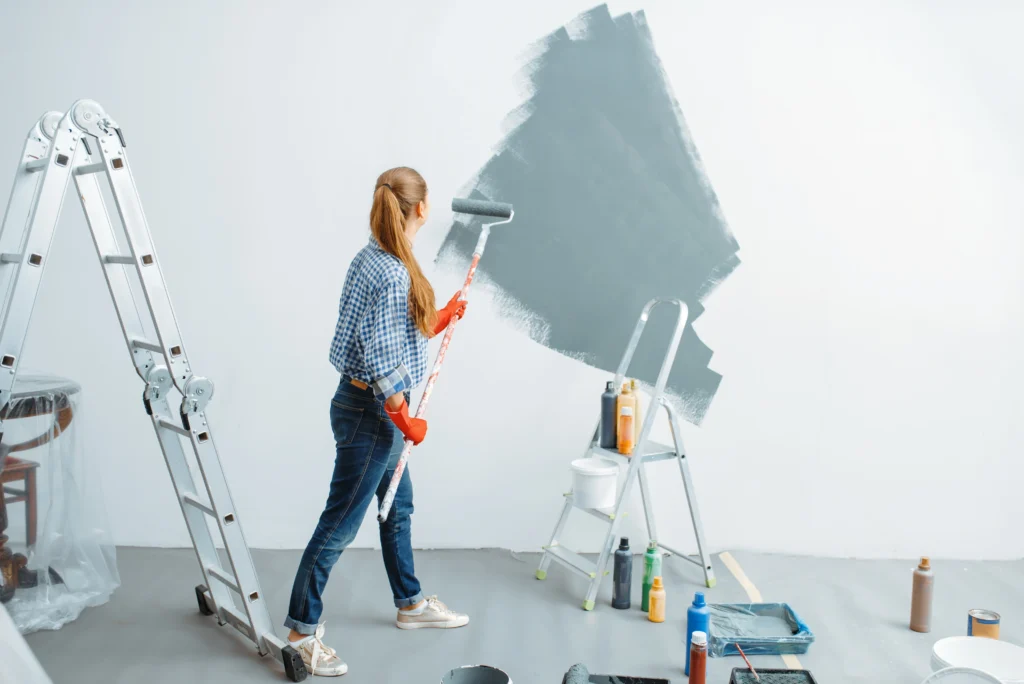
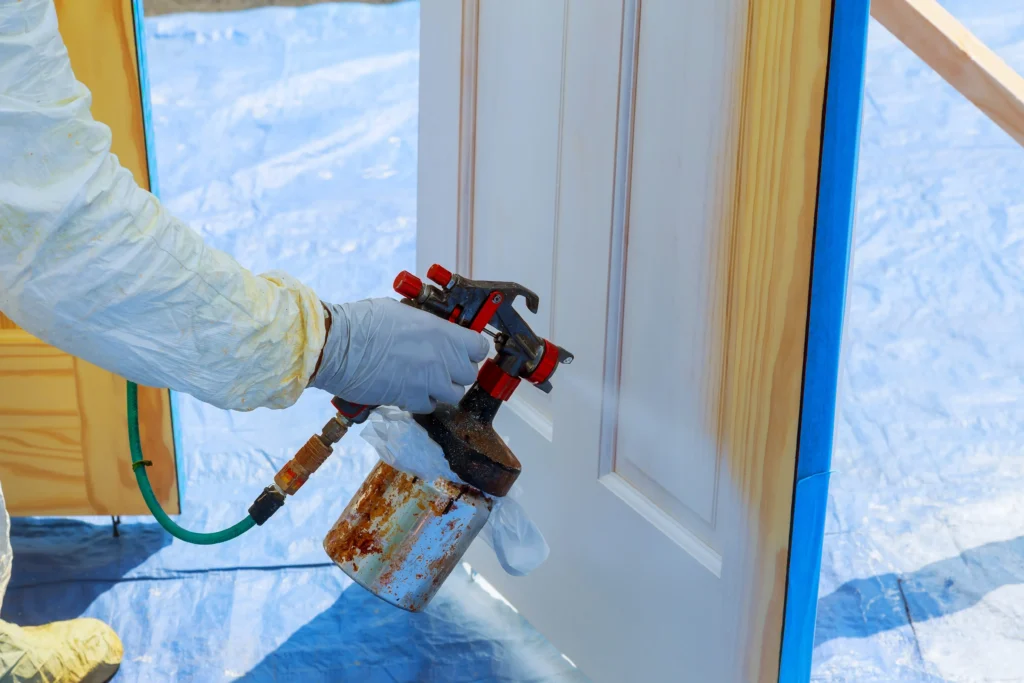
Using the right tools is an essential part of how to paint outside of house, as it directly affects both efficiency and the final finish. High-quality brushes and rollers provide better coverage and reduce streaking, while paint sprayers can speed up the process for larger surfaces. However, sprayers require more control and preparation to avoid overspray on windows, landscaping, and nearby surfaces. Extension poles help reach higher areas without constantly repositioning ladders, improving both safety and workflow. Ladders themselves should be stable and suited for the height of the home, especially when working on multi-story exteriors. Drop cloths and masking materials are equally important to protect surfaces such as driveways, windows, and trim.
Common Mistakes To Avoid During Exterior Painting
Many issues arise when homeowners attempt how to paint outside of house without proper knowledge. Skipping surface preparation is one of the most common mistakes and often leads to peeling paint. Using low-quality materials can result in uneven coverage and shorter lifespan. Painting in poor weather conditions can cause adhesion problems. Applying paint too thickly may lead to drips and longer drying times. Being aware of these mistakes helps homeowners take a more careful approach and achieve better results.
Safety Considerations During Exterior Painting
Safety is an important aspect of how to paint outside of house, especially for multi-story homes or areas that require ladders. Using stable ladders and proper protective gear reduces the risk of accidents. Working at heights requires extra caution and planning. Proper ventilation and safe handling of paint products are also important for protecting health. The EPA guidance on lead-safe renovation practices is especially important for older homes where existing paint may contain hazardous materials. Following proper safety recommendations helps ensure the project is completed efficiently while reducing risks to both homeowners and the surrounding environment.
Conclusion
Understanding how to paint outside of house involves more than simply applying paint, as every step from preparation to final coat affects the durability and appearance of the result. Taking the time to clean surfaces, repair damage, choose the right paint, and apply it correctly ensures a longer-lasting finish that protects your home from weather and wear. For homeowners who want reliable and professional results without the challenges of doing it themselves, Four Seasons Painting Co provides expert exterior painting services designed to deliver smooth, durable finishes. Their experience and attention to detail help ensure your home looks refreshed and well-maintained for years to come.