Fresh paint can completely change the look of a room, but many homeowners become frustrated when the surface still feels soft or tacky hours after painting. That confusion often leads people to ask how long does paint take to dry and why drying times seem different from one project to another. While some paints may feel dry within an hour, that does not always mean they are ready for another coat or daily use. Temperature, humidity, airflow, paint thickness, and surface type all influence the process. Rushing too quickly between coats or moving furniture back too soon can ruin an otherwise smooth finish. Understanding what affects drying time helps homeowners avoid streaks, peeling, and other common paint problems while creating a more durable and professional-looking result.
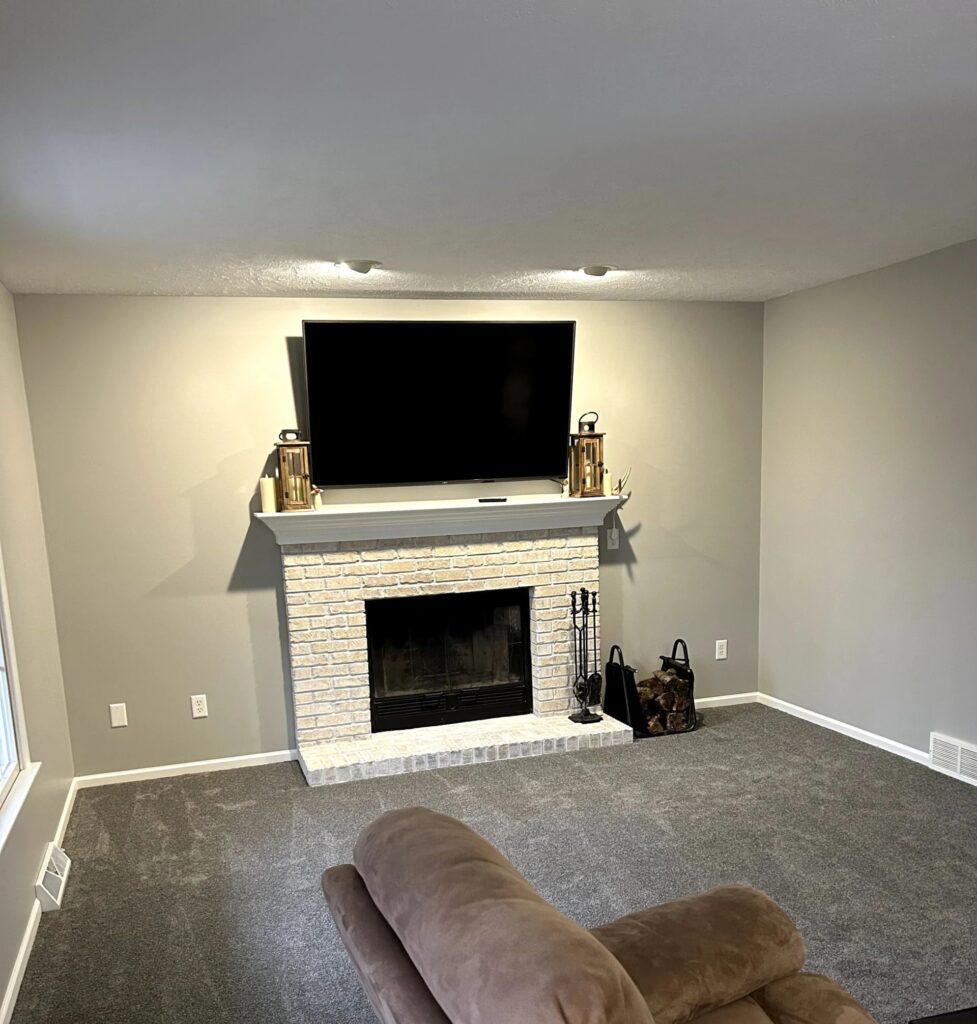
How Long Does Paint Take to Dry Indoors
When homeowners search how long does paint take to dry, they are usually referring to interior walls and ceilings. In most cases, latex paint becomes dry to the touch within one to two hours under normal conditions. However, that does not mean the paint is ready for another coat or regular contact. Most interior paints require at least four hours before recoating, while full curing may take several weeks. Oil-based paints dry much more slowly and can require up to twenty-four hours before a second coat is applied. Indoor conditions also affect drying speed significantly. Rooms with poor airflow or high humidity slow the evaporation process, which keeps paint soft longer. Even though paint may appear dry visually, pressure from furniture, tape, or cleaning too soon can still damage the surface before the curing process finishes completely.
Environmental Conditions That Affect Drying Time
One of the biggest factors influencing how long does paint take to dry is the surrounding environment. Warm temperatures usually help paint dry faster because moisture evaporates more efficiently. Cooler temperatures slow the process considerably and may prevent paint from curing properly. Humidity also has a major impact. High humidity traps moisture in the paint film and extends drying time, especially in bathrooms, kitchens, or rainy weather conditions. Proper ventilation is equally important because moving air helps moisture escape from the painted surface. Many professional painters use fans, dehumidifiers, or HVAC systems to improve airflow during large projects. Exterior painting projects require even more planning because sudden weather changes, evening moisture, or direct sunlight can affect how paint bonds and dries over time.
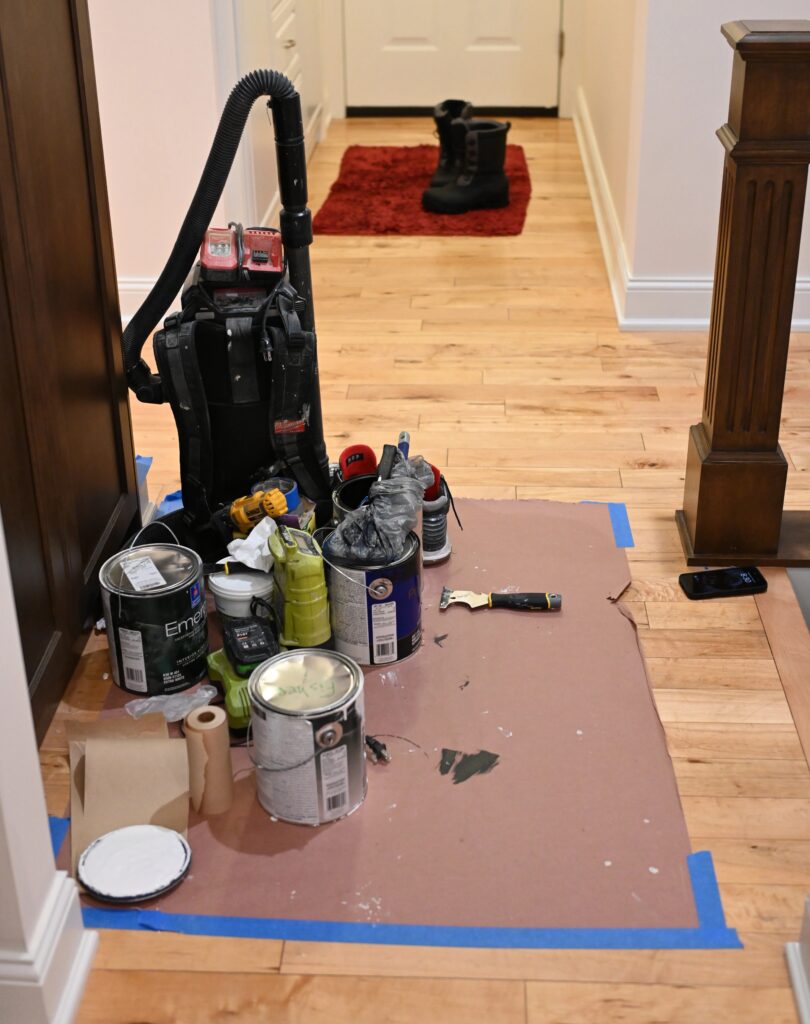
Different Paint Types Dry At Different Speeds
The type of paint used plays a major role in determining how long does paint take to dry. Water-based latex paint dries relatively quickly and remains the most common option for interior walls because of its easy cleanup and lower odor. Oil-based paint takes much longer to dry but often provides a smoother and more durable finish for trim, cabinets, and doors. Chalk paint, enamel paint, and specialty coatings each have their own drying characteristics depending on their chemical makeup. Paint sheen also matters because glossy finishes sometimes cure differently than flat finishes. Choosing the correct product for the surface and conditions helps prevent future problems such as peeling or bubbling. Homeowners comparing products can better understand paint selection by reviewing Which Paint Is Best For Interior Walls before starting a project.
Dry To The Touch Versus Fully Cured
Many painting problems happen because homeowners misunderstand the difference between paint feeling dry and paint being fully cured. When discussing how long does paint take to dry, these two stages are completely different. Dry to the touch simply means the surface no longer feels wet. Full curing happens much later, after all moisture and solvents have completely evaporated from the paint film. During the curing process, paint gradually hardens and reaches maximum durability. Even though a wall may feel dry within hours, scrubbing, bumping, or placing objects against it too soon can still leave marks or damage. Depending on the product and conditions, curing may take anywhere from several days to a full month. Patience during this stage helps ensure the paint maintains its appearance and durability over time.
Why Thick Paint Coats Take Longer To Dry
Application technique strongly affects how long does paint take to dry. Thick coats hold more moisture and therefore require much more time to dry properly. Heavy application also increases the risk of drips, uneven texture, and soft paint underneath the surface layer. Professional painters usually apply multiple thinner coats instead of one heavy layer because thinner coats dry more evenly and bond better to the surface. Paint rollers overloaded with paint often create inconsistent drying patterns across walls. The same issue occurs when homeowners repeatedly go back over partially dried areas while painting. Allowing each coat to dry fully before applying another helps create a smoother finish and reduces the chance of peeling later.
How Surface Materials Change Drying Time
The surface being painted also influences how long does paint take to dry. Porous materials such as unfinished wood, drywall, and brick absorb paint differently than smooth previously painted walls. Bare drywall may absorb moisture quickly and require primer before painting to ensure even drying. Wood surfaces sometimes absorb paint unevenly depending on grain direction and moisture content. Glossy surfaces may slow proper adhesion unless sanded beforehand. Exterior surfaces exposed to direct sunlight can dry faster on the outer layer while remaining soft underneath. Understanding how each material reacts to paint helps homeowners avoid uneven finishes and improves long-term durability.
Common Mistakes That Slow Paint Drying
Several common mistakes can increase how long does paint take to dry and negatively affect the final finish. Painting during humid weather is one of the most frequent problems because moisture remains trapped in the paint longer. Skipping primer can also create uneven absorption, especially on repaired walls or bare surfaces. Applying additional coats too early traps moisture underneath the top layer and may lead to wrinkling or peeling later. Some homeowners close windows immediately after painting, which reduces airflow and extends drying time indoors. Others place furniture against walls before the curing process finishes. Understanding these mistakes helps homeowners create better conditions for successful painting results. Homeowners looking to avoid broader project issues can also review Interior Painting Mistakes to Avoid for a Perfect Look for additional guidance.
Professional Painters Approach Drying Differently
Professional painters understand that drying time is not simply about waiting a few hours before adding another coat. Experienced crews carefully monitor temperature, humidity, airflow, and product specifications throughout the entire project. They also know that different paints behave differently depending on the surface and environment. Exterior painting often requires adjusting schedules around weather patterns, while interior projects may involve controlling airflow with fans or ventilation systems. According to the Sherwin-Williams paint drying recommendations, proper recoating times are critical for achieving durable finishes and avoiding adhesion issues. Following manufacturer guidance and professional techniques helps ensure the paint cures correctly and maintains a smooth appearance.
Conclusion
Understanding how long does paint take to dry helps homeowners avoid many of the problems that happen after painting too quickly. Drying time depends on several factors including paint type, humidity, airflow, surface material, and how heavily the paint is applied. Even when paint feels dry to the touch, it may still need additional time to cure properly before furniture, cleaning, or another coat is added. Taking the time to follow proper drying recommendations helps create a smoother finish and improves long-term durability. For homeowners looking for reliable painting results without the stress of handling every detail themselves, Four Seasons Painting Co provides professional interior and exterior painting services focused on quality preparation, smooth finishes, and long-lasting results.