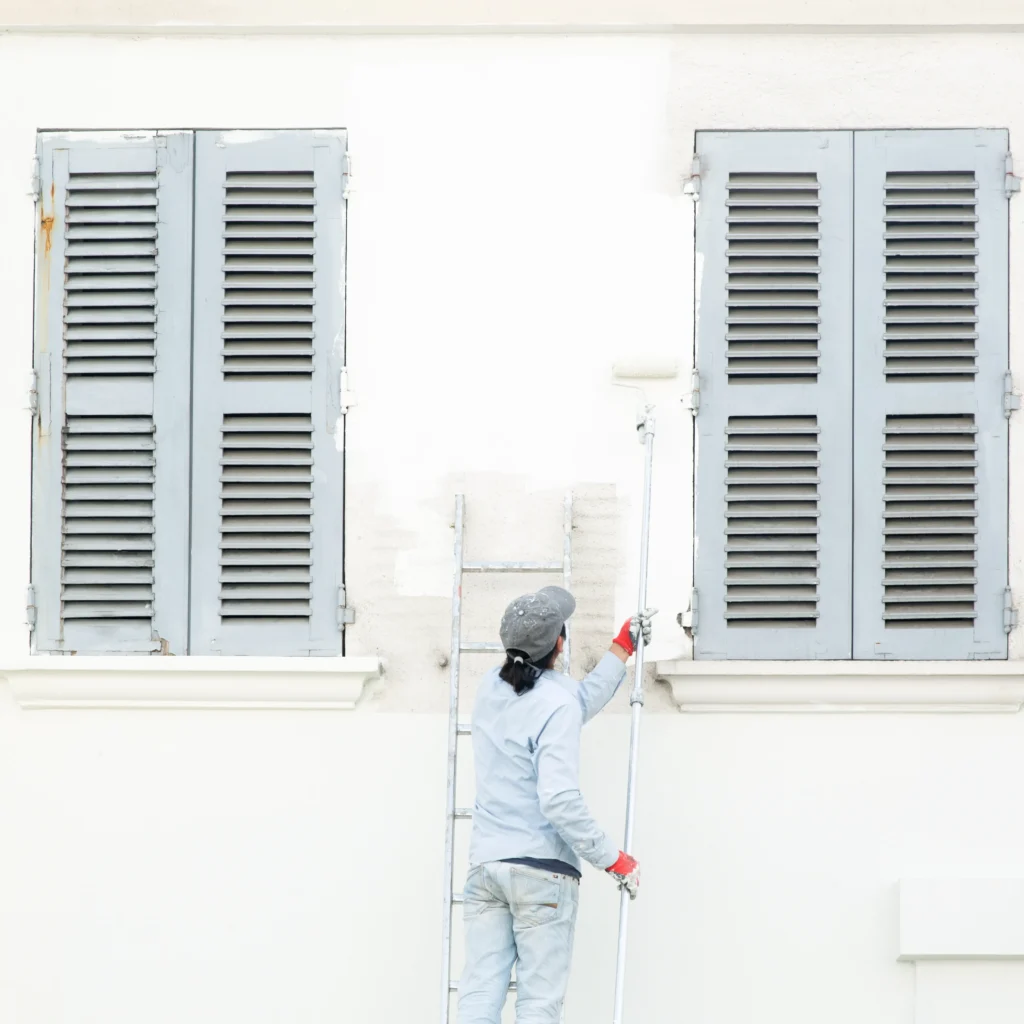
Leftover paint from an exterior project often leads homeowners to ask can I use exterior paint inside instead of buying a separate product for indoor walls. At first, the idea seems practical because exterior paint is designed to handle moisture, sunlight, and changing weather conditions. Many people assume that if a paint is durable outdoors, it should perform even better indoors. However, the differences between interior and exterior paint go far beyond durability alone. The ingredients, chemical composition, odor levels, and long-term performance all change depending on where the paint is meant to be used. Before applying exterior paint to indoor walls, it is important to understand how these products react inside enclosed spaces and why using the wrong type of paint can create problems long after the surface appears dry.
Can I Use Exterior Paint Inside Safely
One of the biggest concerns behind the question can I use exterior paint inside involves indoor air quality and long-term exposure to chemicals. Exterior paint is designed specifically for outdoor environments where ventilation is unlimited and weather resistance matters more than indoor safety. Because of this, exterior paint contains additives that help resist mildew, moisture, temperature changes, and sunlight. While those ingredients perform well outdoors, they can release stronger fumes and volatile organic compounds indoors. In enclosed areas, these emissions may linger far longer than standard interior paint. Rooms with poor airflow can trap odors and chemical vapors for days or even weeks. This creates a less comfortable environment and may affect people who are sensitive to strong odors or airborne irritants.
How Interior And Exterior Paint Formulas Differ
The reason homeowners ask can I use exterior paint inside often comes from misunderstanding how differently these products are made. Interior paint is designed for enclosed living spaces and focuses heavily on washability, smooth finishes, stain resistance, and lower odor levels. Exterior paint, on the other hand, is engineered to remain flexible during changing weather conditions. It expands and contracts more easily to handle heat, cold, and moisture outdoors. Interior paint cures harder because indoor walls experience regular contact, cleaning, and scuffing. Exterior paint may remain softer over time, which can lead to marks, scratches, or uneven wear inside high-traffic rooms. Choosing paint based on where it will be used ensures better long-term appearance and performance throughout the home.
Why VOC Levels Matter Indoors
Health concerns are another major reason professionals discourage homeowners from asking can I use exterior paint inside as a practical solution. Exterior paint often contains higher levels of VOCs, which are chemicals released into the air as paint dries and cures. These compounds contribute to strong odors and may affect indoor air quality, especially in smaller or poorly ventilated spaces. While modern interior paints are formulated with lower VOC levels to improve indoor safety, exterior paints are not held to the same standards because they are intended for outdoor use. Children, pets, and individuals with respiratory sensitivities may be especially affected by prolonged exposure to these fumes indoors. Proper ventilation helps reduce odor buildup, but it does not eliminate the risks associated with using exterior coatings inside living areas.
Performance Problems That Happen Indoors
Many homeowners assume exterior paint will perform better indoors because it is built for tougher conditions, but that assumption often creates problems later. When considering can I use exterior paint inside, it is important to remember that durability outdoors does not automatically translate to better indoor performance. Exterior paint may scuff more easily indoors because it remains softer and more flexible. It can also create adhesion problems on drywall, trim, or ceilings that were designed for interior coatings. In some situations, exterior paint develops uneven sheen or texture indoors because it dries differently in enclosed environments. Using the wrong paint may also make future repainting more difficult because the surface can react differently to primers or additional coats.
Rooms Where Exterior Paint Creates Bigger Issues
Certain areas of the home create even greater risks when homeowners attempt can I use exterior paint inside. Bedrooms, nurseries, and rooms with limited airflow are especially problematic because fumes remain trapped longer. Bathrooms and kitchens already experience humidity challenges, and adding exterior paint indoors can intensify odor retention. Small enclosed areas such as closets or hallways may continue releasing strong smells long after painting is complete. Even if the paint eventually hardens, the indoor environment may remain uncomfortable for an extended period. Homeowners choosing paint for interior walls should instead focus on products designed specifically for indoor durability and low emissions. For better guidance on selecting indoor paint products, reviewing Which Paint Is Best For Interior Walls can help homeowners understand which options work best inside the home.
When Exterior Paint Might Be Used Indoors
There are limited situations where homeowners may still consider can I use exterior paint inside, although these cases usually involve non-living areas with strong ventilation. Garages, sheds, utility rooms, or workshops sometimes use exterior coatings because airflow is less restricted and occupancy is limited. Even in these situations, professionals often recommend choosing products specifically labeled for both interior and exterior use rather than relying on standard exterior-only paint. Reading manufacturer instructions carefully is essential because some products are formulated differently than others. Homeowners should never assume all paints behave the same simply because they appear similar on the shelf.
Better Alternatives For Indoor Painting Projects
Instead of trying to reuse leftover exterior paint indoors, homeowners usually achieve far better results by selecting paint made specifically for interior environments. Modern interior paints offer excellent durability, low odor, and easier maintenance without introducing unnecessary indoor air concerns. Paint manufacturers now produce specialty coatings designed for bathrooms, kitchens, hallways, and high-traffic areas that provide strong performance without relying on exterior-grade additives. Choosing the correct interior coating also improves long-term appearance and simplifies future touch-ups. Homeowners planning larger painting projects can also avoid additional issues by reviewing Interior Painting Mistakes to Avoid for a Perfect Look before starting their project.
Professional Painters Approach Product Selection Differently
Professional painters understand that choosing the correct paint matters just as much as proper application technique. Experienced crews evaluate ventilation, humidity, room usage, lighting, and surface type before recommending products for any interior project. They also understand how different paint formulas react during drying and curing. According to the EPA guidance on volatile organic compounds and indoor air quality, proper product selection plays an important role in maintaining healthier indoor environments. Professional recommendations help homeowners avoid problems that may not appear immediately after painting but develop later through odor retention, poor durability, or uneven finish quality.
Conclusion
Understanding can I use exterior paint inside involves more than simply deciding whether leftover paint can save money on a project. Exterior paint is designed for outdoor durability, not enclosed indoor environments where odor levels, VOC emissions, and long-term surface performance matter much more. While it may seem like a practical shortcut, using exterior paint indoors can create issues involving air quality, finish durability, and overall comfort inside the home. Choosing paint specifically formulated for interior spaces helps create safer conditions and more reliable long-term results. For homeowners looking for dependable interior painting solutions and professional guidance, Four Seasons Painting Co provides expert painting services focused on proper product selection, clean finishes, and durable results tailored to every room in the home.